

- Advertisement -
My Husband Doesn’t Respect Me | What to Do
My Husband Doesn't Respect Me | Signs, Solutions & Exit Plan

- Advertisement -
My Husband Doesn’t Respect Me: Understanding, Healing, and Reclaiming Your Worth
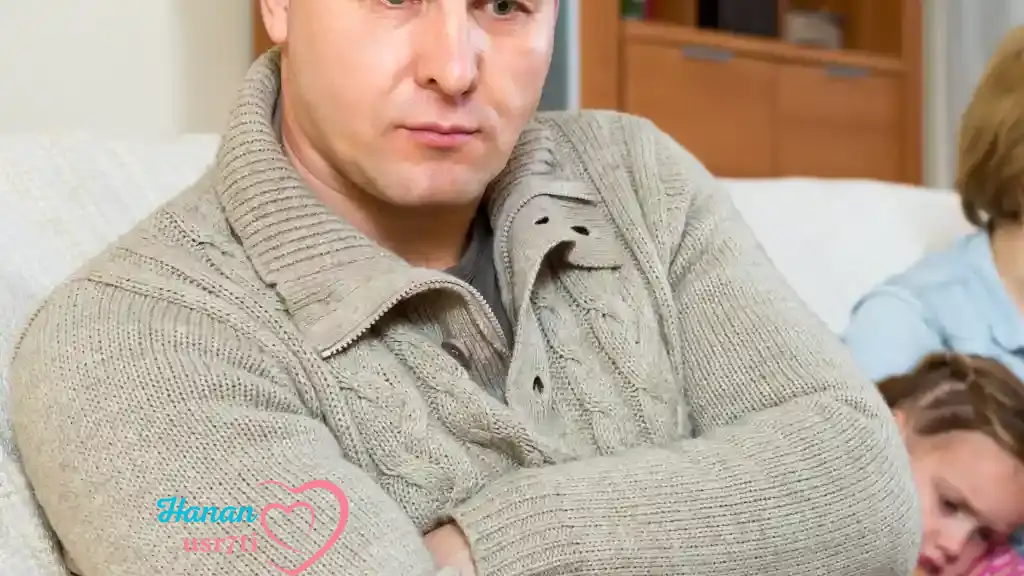
The words sit heavy in your chest, don’t they? “My husband doesn’t respect me.” Maybe you’ve whispered them to a friend over coffee, typed them into a search bar at 2 AM, or simply felt them echoing in the silence after another dismissive comment. You’re not imagining it. You’re not being “too sensitive.” And you’re certainly not alone.
Disrespect in marriage operates differently than in other relationships because it violates the fundamental promise two people made to each other: to honor, cherish, and partner through life. When that respect crumbles, it doesn’t just hurt—it creates a profound disorientation about who you are and what your relationship has become.
This comprehensive guide goes beyond surface-level advice to help you understand the anatomy of disrespect in marriage, distinguish between different types of disrespectful behavior, assess whether your relationship can be repaired, and most importantly, reclaim your sense of self-worth regardless of what you decide about your marriage.
Drawing on Dr. John Gottman’s four decades of marriage research, attachment theory, and real experiences from thousands of women who’ve navigated this painful reality, this guide provides the clarity and concrete steps you’ve been seeking.
You deserve to be treated with dignity. Whether that happens by transforming your current marriage or by leaving it to build something better—this guide will help you find your path forward.
Understanding Disrespect in Marriage: Beyond the Obvious
What Disrespect Actually Looks Like
Most articles list obvious disrespect markers: name-calling, public humiliation, dismissing your feelings. But marital disrespect often operates in subtler, more insidious ways that make you question your own perceptions.
The Spectrum of Marital Disrespect:
♦ Overt Disrespect (Recognizable)
- Yelling, name-calling, or belittling language
- Public humiliation or “jokes” at your expense
- Dismissing your opinions in front of others
- Making unilateral major decisions without consultation
- Explicit statements that your thoughts/feelings don’t matter
- Physical intimidation or aggression
♦ Covert Disrespect (Harder to Name)
- The eye roll when you speak
- Agreeing to something then “forgetting” repeatedly
- Tone that communicates contempt without explicit words
- Selective listening (tunes in for topics that matter to him, tunes out for yours)
- Treating your work/interests as less important than his
- Asking your opinion then doing what he wanted anyway
- The heavy sigh when you need something
♦ Systemic Disrespect (Pattern-Based)
- Your needs are consistently deprioritized
- He tracks your spending but not his own
- Your time is treated as infinitely flexible; his is sacred
- Emotional labor falls entirely on you
- You’re responsible for his emotional regulation
- Your contributions (financial or otherwise) are minimized
- He maintains different standards for himself than for you
The Disrespect That’s Hardest to Name
Here’s what most relationship advice misses: some of the most damaging disrespect comes wrapped in superficially caring language.
“I’m just trying to help” (while undermining your competence) “Don’t be so sensitive” (invalidating your emotional reality) “You’re remembering it wrong” (gaslighting your perceptions) “I worry about you” (while controlling your choices) “You know I love you” (as a deflection from addressing his behavior)
This type of disrespect is particularly crazymaking because it forces you to be the “bad guy” for objecting to something framed as concern or love.
The Psychology Behind Why He Doesn’t Respect You
Understanding why doesn’t excuse the behavior, but it does help you make sense of what’s happening and assess whether change is possible.
The Respect Deficit Patterns
♦ Pattern 1: Learned Behavior from Family of Origin
If your husband grew up watching his father disrespect his mother—or watching his mother accept disrespect as normal—he may have internalized this dynamic as what marriage looks like. This doesn’t mean he gets a pass, but it does mean he’s operating from a deeply programmed script.
Key indicators:
- His parents had/have a similar dynamic
- He doesn’t recognize his behavior as disrespectful
- He genuinely seems confused when you object
- He may even think he’s being a “good husband” compared to his father
Change potential: Moderate to high, but requires willingness to examine and reprogram deeply held beliefs
♦ Pattern 2: Entitlement and Narcissistic Traits
Some men don’t respect their wives because they fundamentally believe their needs, time, and priorities matter more. This often stems from narcissistic traits or socialized male entitlement.
Key indicators:
- He becomes defensive when his behavior is questioned
- Double standards are rampant (rules for you that don’t apply to him)
- Your achievements threaten him rather than please him
- He needs to be the center of attention/concern
- Empathy is notably absent when you’re struggling
- He views relationship dynamics as a hierarchy with him on top
Change potential: Low to moderate; requires professional intervention and genuine willingness to examine core beliefs about gender and power
♦ Pattern 3: Unresolved Resentment and Contempt
Research from relationship expert Dr. John Gottman identifies contempt as one of the “four horsemen” predicting divorce. Sometimes disrespect emerges from accumulated, unaddressed resentments that have curdled into contempt.
Key indicators:
- The disrespect emerged or intensified after a specific event or period
- He references past grievances frequently
- There’s a sense of score-keeping in the relationship
- He seems to be “punishing” you for something
- Positive regard has been replaced by criticism and derision
Change potential: Moderate, but requires couples therapy to address underlying resentments before repair can begin
♦ Pattern 4: External Stress Amplification
Sometimes men who are capable of respect lose that capacity under sustained stress (work pressure, financial strain, health issues). The stress doesn’t excuse disrespect, but it may explain why someone who was previously respectful has changed.
Key indicators:
- The disrespect correlates with a stressful life period
- He shows remorse when confronted (unlike narcissistic patterns)
- He’s disrespectful to others too, not just you
- He recognizes he’s “not himself” lately
- There’s willingness to address the underlying stressors
Change potential: High, if he takes responsibility and actively works on stress management and repair
♦ Pattern 5: Relationship Erosion and Disconnection
Over time, some couples lose positive regard through accumulated small wounds, unrepaired ruptures, and growing apart. Disrespect becomes the ambient temperature of the relationship rather than a deliberate choice.
Key indicators:
- Neither of you seems particularly happy
- Intimacy (emotional and physical) has declined significantly
- You’re roommates more than partners
- Neither person is actively trying to hurt the other, but neither is trying to connect either
- The relationship runs on autopilot
Change potential: Moderate to high if both people are willing to actively reinvest
The Question No One Asks: Is This New or Have You Just Started Noticing?
Here’s an uncomfortable truth: sometimes the disrespect was always there, but you’ve only recently developed the language or self-worth to name it. Perhaps you’ve:
- Grown in self-awareness through therapy or personal development
- Watched friends in healthier relationships and noticed the contrast
- Reached a developmental stage (motherhood, career success, midlife) that shifted your perspective
- Had someone else name what they’re seeing
- Simply hit your limit of tolerating the intolerable
Was It Always There? A Diagnostic
| Then (Early Relationship) | Now (Current Reality) | What This Suggests |
|---|---|---|
| He teased you affectionately | He mocks you dismissively | Pattern has intensified/changed |
| He consulted you on decisions | He informs you of decisions | Power dynamic has shifted |
| He was attentive to your needs | He’s oblivious to your needs | Investment has declined |
| He defended you to others | He joins others in criticizing you | Respect has eroded significantly |
| Small signs were there but you overlooked them | The same behaviors now feel intolerable | Your awareness/tolerance has changed |
The Intersection of Disrespect and Other Issues
Marital disrespect rarely exists in isolation. It typically intertwines with other relationship dynamics that compound the damage.
Disrespect + Emotional Abuse
Not all disrespect is abuse, but chronic, intentional disrespect often meets the criteria for emotional abuse. The difference lies in pattern, intent, and impact.
When disrespect crosses into abuse:
- It’s systematic rather than occasional
- It’s designed to control, diminish, or manipulate
- It damages your sense of reality or self-worth
- It escalates over time
- He refuses accountability and blames you for his behavior
- You feel afraid, worthless, or constantly on edge
- You’ve significantly changed yourself to avoid his reactions
Disrespect + Financial Control
Economic disrespect takes many forms: treating your financial contributions as less legitimate, controlling access to money, scrutinizing your spending while his goes unquestioned, or making you ask for money like a child.
Financial disrespect indicators:
- Unequal access to marital funds
- Your income is “ours” but his is “his”
- You must justify purchases while he doesn’t
- He sabotages your career or earning potential
- Financial information is kept from you
- Major financial decisions exclude you
Disrespect + Sexual Dynamics
Sexual respect means ongoing, enthusiastic consent, consideration for your pleasure, and viewing sex as a shared experience rather than something he’s entitled to or you’re withholding.
Sexual disrespect includes:
- Pressure, coercion, or sulking when you’re not interested
- Your pleasure is optional; his is required
- Refusing to discuss sexual issues
- Using sex as reward/punishment or trading currency
- Crossing stated boundaries
- Making you feel obligated rather than desired

Disrespect + Parenting Conflicts
When you have children, his disrespect models relationship dynamics your children will internalize. They learn what love “looks like” from watching you two.
The parenting-disrespect intersection:
- He undermines your parenting decisions
- He’s the “fun parent” while you’re the “mean parent”
- He doesn’t share the mental load of parenting
- He refuses to present a united front
- He disrespects you in front of the children
- He expects different parenting contributions from you than from himself
The question you must ask: What am I teaching my children about how people who love each other should treat one another?
The Experience of Living with Disrespect
What Happens to You Over Time
Chronic disrespect doesn’t just hurt your feelings—it changes you at a fundamental level. Understanding these changes helps you recognize how serious the situation has become.
Psychological Effects
Identity erosion: You lose track of who you are outside of his perception of you. Your internal compass becomes unreliable because it’s been overridden so many times.
Hypervigilance: You develop a sixth sense for his moods, constantly monitoring and adjusting yourself to avoid triggering disrespect. This is exhausting and activates the same stress responses as living in physical danger.
Self-doubt and questioning: You second-guess your own perceptions, memories, and judgments. “Am I being too sensitive? Did it really happen that way? Maybe I’m the problem.”
Emotional numbing: To protect yourself from constant hurt, you shut down emotionally. This affects all your relationships, not just your marriage.
Depression and anxiety: Research shows that relationship distress, particularly when it involves ongoing disrespect or contempt, significantly increases risk for both conditions.
♦ Physical Effects
Your body keeps the score of chronic disrespect:
- Sleep disturbances
- Digestive issues
- Weakened immune system
- Chronic headaches or body pain
- High blood pressure
- Fatigue that rest doesn’t resolve
♦ Social Effects
Disrespectful marriages tend to become isolating:
- You withdraw from friends who might notice and ask questions
- You’re too exhausted from managing him to invest in other relationships
- He may actively limit your social connections
- You feel ashamed of what your marriage has become
- You protect his reputation by hiding the truth
♦ The Frog in Boiling Water Phenomenon
Perhaps the most dangerous aspect: you adapt incrementally. Each small disrespect becomes the new normal, raising your tolerance for the next one. What would have been unthinkable five years ago is now Tuesday.
Assessment: Can This Marriage Be Saved?
Not every marriage with disrespect is doomed, but not every marriage should be saved. Here’s how to assess honestly.
The Non-Negotiables
Some situations require leaving, not fixing:
- Physical violence or credible threats: Leave. Get safe. Don’t negotiate.
- Sexual coercion or assault: This isn’t a rough patch. This is abuse.
- Active addiction he refuses to address: You cannot fix someone who won’t fix themselves.
- Ongoing affairs with no remorse or change: Disrespect doesn’t get clearer than this.
- Intentional harm to your children: Your first duty is to them.
The Repair Potential Assessment
For situations not meeting the criteria above, honestly evaluate repair potential:
Marriage Repair Potential Assessment
| Question | If Yes | If No | Your Answer |
|---|---|---|---|
| Does he acknowledge his disrespectful behavior when specifically confronted? | +2 points | -2 points | |
| Has he taken concrete action (therapy, books, changed behavior) without being forced? | +3 points | -1 point | |
| Does he show genuine remorse (not just apologizing to end the conversation)? | +2 points | -2 points | |
| Can he identify specifically what he did and its impact on you? | +2 points | -1 point | |
| Is there a history of keeping commitments to change? | +2 points | -3 points | |
| Does he blame you for his disrespectful behavior? | -3 points | +1 point | |
| Do you still have positive feelings toward him when he’s not being disrespectful? | +2 points | -2 points | |
| Are you willing to do the work required to repair this marriage? | +2 points | -1 point | |
| Has the disrespect become physically or emotionally unsafe? | -5 points | +1 point | |
| Can you both envision a future where this has changed? | +2 points | -2 points |
Scoring:
- 10+ points: Repair is possible with serious, sustained effort from both of you
- 5-9 points: Uncertain; try therapy but prepare for either outcome
- 0-4 points: Unlikely to change without major intervention; protect yourself
- Below 0: Strong signal that leaving may be healthier than staying
The Three Questions That Matter Most
Beyond points systems, answer these honestly:
1. Does he think there’s a problem?
If he genuinely doesn’t see his behavior as disrespectful and has no interest in your perspective, change is nearly impossible. You can’t solve a problem someone refuses to acknowledge.
2. Are you willing to leave if nothing changes?
If the answer is no—for any reason—he has no incentive to change and you’ve communicated that your boundaries are negotiable. This isn’t about blame; it’s about reality.
3. Is this what you want your life to look like in five years?
Not what you hope it might become. What it actually is right now, because hope is not a strategy and time alone heals nothing.
What to Do: A Roadmap for Different Situations
Path 1: If You’re Staying and Working on It
If your assessment suggests repair is possible and you’re both committed, here’s what actually works:
♦ Step 1: Get Professional Help (Non-Negotiable)
Do not try to fix chronic disrespect alone. You need a qualified couples therapist who:
- Has specific training in Gottman Method or Emotionally Focused Therapy (EFT)
- Doesn’t default to “both sides” when there’s clear disrespect or abuse
- Will name problematic behavior directly
- Has expertise in power dynamics
Red flags in therapy:
- Therapist suggests you’re equally responsible for his disrespect
- Focus is on “communication” without addressing underlying power issues
- He uses therapy as another venue to disrespect you
- Therapist allows him to dominate sessions
If couples therapy isn’t safe or productive: Individual therapy for you is essential. A good therapist can help you develop clarity, strength, and strategy.
♦ Step 2: Name It Specifically and Consistently
Vague complaints like “you don’t respect me” allow him to dismiss or misunderstand. Get specific:
Instead of: “You never listen to me.” Try: “Yesterday when I was telling you about the issue with my mom, you picked up your phone twice and asked me to repeat things three times. That communicates that what I’m saying doesn’t matter to you.”
Instead of: “You treat me like I’m stupid.” Try: “When you explain things I already know or correct me in front of others, it suggests you don’t trust my competence. That’s disrespectful.”
Keep a record of specific incidents. Patterns are harder to deny than individual events.
♦ Step 3: Establish and Enforce Boundaries
Boundaries aren’t threats; they’re statements of how you will protect yourself:
Examples:
- “I won’t continue conversations where you’re yelling. We can resume when you’re calm.”
- “If you speak to me dismissively in front of friends again, I’ll leave the gathering.”
- “I need you to consult me before making financial decisions over $X.”
- “I’m no longer available to manage your emotional reactions. You need to develop those skills.”
The boundary formula:
- State the boundary clearly
- Follow through consistently (this is where most people fail)
- Expect testing and escalation before improvement
♦ Step 4: Rebuild Your Separate Self
You’ve likely diminished yourself to accommodate his disrespect. Reclaim yourself:
- Reconnect with friends and family
- Reinvest in interests he’s dismissed or you’ve abandoned
- Strengthen your financial independence (even if you’re staying)
- Develop your own support system
- Pursue therapy individually
- Remember who you were before this became your normal
♦ Step 5: Set a Timeline with Milestones
Hope is not a plan. Establish concrete markers of progress:
Example Timeline:
Month 1: Both committed to therapy; he reads recommended materials; disrespectful incidents documented Month 3: Visible behavioral changes; he can articulate his disrespectful patterns; fewer incidents Month 6: Sustained change; he self-corrects; positive interactions outnumber negative ones Month 12: New patterns feel stable; trust is rebuilding; you feel respected consistently
If milestones aren’t met: You have important information about his willingness and capacity to change.
Path 2: If You’re Preparing to Leave
Leaving a disrespectful marriage is simultaneously one of the hardest and most important things you may ever do. Here’s how to do it safely and strategically:
♦ The Pre-Planning Phase (Do This Even If You’re Unsure)
Financial preparation:
- Open a separate bank account in your name only (different bank if possible)
- Document all marital assets, debts, income sources
- Gather financial records (tax returns, bank statements, investment accounts)
- If you don’t work, understand you’ll likely receive spousal support
- Consult a divorce attorney for one session to understand your rights (most offer free consultations)
- Start saving money he doesn’t know about if safe to do so
Legal preparation:
- Take photos/copies of important documents (birth certificates, social security cards, passports, property deeds)
- Document disrespectful behavior (keep a journal, save texts/emails)
- Know your state’s divorce laws
- Understand child custody considerations in your jurisdiction
- If there’s any abuse, document it and understand protective order processes
Emotional preparation:
- Build or strengthen your support network
- Start individual therapy
- Join a support group (online if in-person isn’t safe)
- Read books on leaving difficult relationships
- Allow yourself to grieve what you hoped your marriage would be
Practical preparation:
- Know where you’ll go (friend, family, domestic violence shelter if needed)
- Have important documents in a safe location he can’t access
- Change passwords on accounts he might access
- Have a bag packed if you need to leave quickly
- Make sure your phone/computer aren’t monitored
♦ The Leaving Phase
Timing matters:
- Don’t leave in the heat of an argument unless unsafe
- If possible, have legal and financial ducks in a row first
- Plan the conversation for when you’re calm and he’s likely to be most receptive
- Have support available immediately after
- If there’s any concern about his reaction, leave when he’s not home and communicate via attorney
The conversation (if safe to have one):
- Be clear and direct: “I’ve decided to end our marriage.”
- Don’t justify, argue, or defend your decision
- Don’t allow negotiation if your mind is made up
- Expect anger, promises to change, blame, or manipulation
- Have an exit plan if the conversation becomes unsafe
- Consider having someone nearby or on standby
What not to do:
- Don’t leave multiple times and return (undermines your credibility and safety)
- Don’t share your plans with people who might tell him
- Don’t assume his disrespect won’t escalate to danger (separation is the most dangerous time in abusive relationships)
- Don’t engage in post-separation arguments or “closure” conversations
- Don’t believe that leaving makes you a failure
♦ The Post-Leaving Phase
Expect these challenges:
Grief: Even leaving a bad marriage involves loss. You’ll grieve the man you thought he was, the marriage you hoped for, the future you imagined, your identity as a married person, and the intact family if you have children.
Doubt: He may launch a campaign to get you back, promising change. Remember: people show you who they are through patterns, not promises. If he was capable of sustained change, why didn’t he do it when you were begging him to?
Social pressure: People may encourage you to “give him another chance” or suggest you’re giving up too easily. They don’t live in your marriage. You do.
Financial stress: Life may be harder financially in the short term. But you can’t put a price on dignity, peace, and self-respect.
Co-parenting challenges: If you have children, you’ll need to establish boundaries for respectful co-parenting. Consider using a co-parenting app to minimize direct contact and document all communication.
Rebuilding: You’re not starting over; you’re starting fresh. There’s a difference.

Path 3: If You’re Not Ready to Decide
It’s okay to be here. Not every situation requires immediate action, and some people need time to build strength or clarity. But don’t confuse “not ready” with “waiting for him to change on his own.”
What to do while you’re figuring it out:
Strengthen yourself:
- Start individual therapy
- Build financial literacy and some independence
- Reconnect with support systems
- Develop exit plans even if you don’t use them (having a plan reduces panic)
- Work on self-worth outside the marriage
Gather information:
- Suggest couples therapy (his response is informative)
- Try one of the books or resources listed below
- Name the disrespect clearly and see how he responds
- Set a small boundary and see if he honors it
- Talk to a divorce attorney to understand your options (information isn’t commitment)
Set a decision deadline:
- “I’m giving this six more months of genuine effort”
- “If these specific things don’t change by X date, I’m leaving”
- Write it down. Tell someone who will hold you accountable.
Understand the cost of staying:
- Your self-worth continues eroding
- You model this relationship dynamic for your children
- You invest time in something that may never improve
- Alternative futures (with or without a partner) remain on hold
Special Situations: Complex Factors That Complicate Leaving
Religious Considerations
Many women stay in disrespectful marriages because their faith community teaches that marriage is sacred, divorce is sinful, or wives should submit to husbands regardless of treatment.
A different perspective: Most religious traditions also teach about human dignity, the importance of being treated with kindness, and that marriage is a partnership of mutual respect. Staying in a destructive marriage doesn’t honor God—it dishonors the person God made you to be.
Resources that can help:
- Seek counsel from progressive religious leaders who understand abuse dynamics
- Read religious perspectives on divorce after abuse/disrespect
- Remember: Your relationship with the divine isn’t dependent on staying in a harmful human relationship
- Many faith communities are more supportive of women leaving difficult marriages than you might expect
Cultural Expectations
Some cultures place extreme pressure on women to maintain marriages regardless of how they’re treated, viewing divorce as shameful or as a woman’s failure.
Navigating cultural pressure:
- Seek support from others who’ve navigated similar tensions
- Recognize that cultural expectations written by patriarchy don’t have to define your choices
- Build connections with people who support your wellbeing over cultural appearances
- Understand that your children’s wellbeing may require breaking cultural patterns
- You can honor your culture while still protecting yourself
Financial Dependence
“I can’t leave because I’m not working” or “I can’t afford to leave” keeps many women trapped.
The reality:
- Most jurisdictions have spousal support laws
- You likely have more financial options than you think
- Staying because you can’t afford to leave means he’s purchased the right to disrespect you—is that acceptable?
- Consult with a divorce attorney; many offer sliding scale fees or free consultations
- Domestic violence organizations can help even if his disrespect hasn’t become physical violence
Steps toward financial independence:
- Understand marital assets (they’re yours too)
- Learn about spousal support in your jurisdiction
- Consider going back to work or school
- Build credit in your own name if possible
- Connect with resources for women leaving marriages
Children Considerations
“I’m staying for the kids” is the most common reason women tolerate ongoing disrespect.
What research actually shows:
Children don’t benefit from watching a parent be consistently disrespected. They learn:
- This is what love looks like
- This is how men treat women (or how partners treat each other)
- It’s acceptable to tolerate mistreatment
- One parent’s feelings/needs matter more than the other’s
Studies consistently show that children do better in healthy single-parent homes than in high-conflict or disrespectful two-parent homes. You’re not protecting them by staying; you’re teaching them to accept or perpetuate unhealthy relationships.
If you have children:
- Focus on minimizing conflict they witness
- Never badmouth their father to them (they’ll figure out reality on their own)
- Get them therapy if you separate
- Model self-respect and healthy boundaries
- Understand that short-term sadness about divorce is different from long-term damage from watching ongoing disrespect
What About Him? Understanding His Perspective (Without Excusing It)
Understanding why he disrespects you doesn’t make it acceptable, but it can help you make informed decisions about repair potential and your own choices.
Why Some Men Disrespect Their Wives
Socialization: Many men were raised with explicit or implicit messages that their needs matter more, that women exist to support them, that showing vulnerability is weak, or that “real men” dominate their households.
Fear: Sometimes disrespect masks insecurity. He may feel threatened by your competence, success, or independence and uses disrespect to reassert control or superiority.
Learned behavior: He may be replicating the only relationship model he knows.
Stress response: Some people respond to stress by lashing out at those closest to them.
Lack of skills: He may genuinely not know how to be respectful because he’s never learned or seen it modeled.
Entitlement: He may simply believe he’s entitled to more consideration, service, or deference than you are.
Can Men Change?
The honest answer: Some can. Many won’t.
Men who can change:
- Acknowledge there’s a problem
- Take ownership without blaming you
- Are willing to be uncomfortable to grow
- Follow through on commitments
- Value the relationship more than being “right”
- Show changed behavior consistently over time
- Do the work even when you’re not demanding it
Men who won’t change:
- Deny, minimize, or justify disrespectful behavior
- Blame you for their treatment of you
- Promise change only when threatened with consequences
- Change briefly then revert
- Resist therapy or go but don’t engage honestly
- View your requests for respect as attacks
- Need you to manage their growth process
The pattern to watch: Does improvement happen and sustain even when you’re not actively pushing for it? Or does he only try when you’re threatening to leave, then relax back into old patterns once you seem committed again?
Rebuilding Yourself: The Work That’s Always Worth Doing
Whether you stay or go, rebuilding your sense of self is essential.
Reclaiming Your Self-Worth
Living with disrespect damages your internal compass. Here’s how to recalibrate:
The mirror practice: Every morning, look yourself in the eyes and say: “I am worthy of respect. How I’m being treated says everything about him and nothing about my value.”
The evidence journal: Write down moments when you were competent, kind, insightful, or strong. When you doubt yourself, reread it.
The friendship filter: Ask yourself: “If my friend were being treated this way, what would I tell her?” Then offer yourself that same compassion.
The future self visualization: Imagine yourself five years from now, living a life where you’re respected. What advice does that version of you have for current you?
Reconnecting with Your Own Perceptions
Chronic disrespect teaches you to doubt your reality. Rebuild trust in yourself:
Document objectively: Keep a record of disrespectful incidents with dates, context, and specifics. Patterns become undeniable.
Trust your body: Your body tells the truth. If you feel anxious, hurt, or angry in his presence, that’s data.
Get outside validation: Talk to trusted friends, therapists, or support groups. You need people who can mirror back reality when yours has been distorted.
Practice making decisions: Start small. Choose what to watch, eat, wear without consulting or justifying. Rebuild the muscle of trusting your own judgment.
Setting a New Standard
Whether in this marriage or the next relationship (with yourself or someone else), establish what you will and won’t accept:
Non-negotiable standards:
- I will be spoken to with basic courtesy
- My feelings will be treated as valid even when disagreed with
- My time and work will be valued equally to my partner’s
- Major decisions will include me
- I will not be blamed for my partner’s behavior
- My boundaries will be respected
- I will not repeatedly explain why I deserve respect
Write your own list. Post it where only you can see it. Refer back when you start normalizing disrespect again.
When the Relationship Ends: Grieving and Growing
If you leave, you’ll grieve. Let yourself.
The Stages of Post-Divorce Grief (They’re Not Linear)
Relief: Finally, the tension ends. You can breathe. This often comes first and then cycles back with guilt.
Grief: You’ll mourn what you hoped for, even if the reality was terrible.
Anger: At him for how he treated you, at yourself for staying so long, at the situation.
Doubt: Did I try hard enough? Should I have stayed? What if he changes now?
Acceptance: It is what it is. You did what you needed to do.
Growth: You’re building something better. This pain has purpose.
Co-Parenting with Someone Who Doesn’t Respect You
If you have children together, separation doesn’t mean the end of interaction. It means strategically managing interaction.
Boundaries for co-parenting:
- Use a co-parenting app (TalkingParents, OurFamilyWizard) for all communication
- Keep communication focused only on children
- Don’t engage in arguments or defend yourself
- Document everything
- Don’t try to control his time with kids unless they’re unsafe
- Don’t badmouth him to children
- Gray rock technique: be boring, brief, and unresponsive to provocations
- Get a clear custody agreement and stick to it
Protect your children without poisoning them against their father:
- Answer their questions honestly but age-appropriately
- Validate their feelings about the divorce
- Don’t use them as messengers or spies
- Don’t compete with him for their affection
- Model healthy boundaries and self-respect
- Get them therapy
- Build the healthiest life you can for them
Building a Life Where You’re Respected
Whether you’re single, working on your marriage, or eventually in a new relationship, you deserve respect. Here’s how to build a life where that’s your standard:
In Future Relationships (Romantic or Otherwise)
Green flags to look for:
- Consistent behavior (who they are when stressed matches who they are when happy)
- Respectful disagreement (can handle being wrong)
- Takes responsibility for impact even when intent was good
- Curiosity about your internal world
- Makes space for your needs without resentment
- Words match actions over time
- Respects your “no” without punishment
Red flags that mean leave early:
- Love bombing followed by criticism
- Isolating you from support systems
- Moving too fast
- Boundary testing
- Treating service workers poorly (how someone treats others predicts how they’ll eventually treat you)
- Making you feel crazy or “too sensitive”
- The relationship feels like work from the beginning
Creating a Respect-Based Life Philosophy
Beyond romantic relationships, build a life where respect is the standard:
At work: Don’t accept jobs or bosses that disrespect you. Your time and talent have value.
In friendships: Prune relationships with people who consistently disrespect your boundaries or belittle you.
In family: You can love family members while limiting contact if they’re disrespectful.
With yourself: The most important relationship is the one you have with yourself. Treat yourself with the respect you’ve been seeking from others.
The Questions That Keep You Up at Night (Answered Honestly)
“What if I’m the problem?”
If you’re asking this question, you’re almost certainly not. Truly disrespectful people don’t engage in this level of self-examination. That said, you may contribute to relationship dynamics without deserving disrespect. Work on yourself regardless, but don’t accept being treated poorly because you’re imperfect.
“What if he changes after I leave?”
This haunts many women. The truth: if he’s capable of real change, it will be sustained change you can evaluate from
a safe distance. If he changes briefly to get you back then reverts, you have your answer. And if he does genuinely change for someone else later? That’s painful but says nothing about whether staying would have produced that change or whether you’d have survived waiting for it.
“Am I giving up too easily?”
If you’ve: clearly named the problem, given specific examples, set boundaries, tried therapy, and seen no sustained change—you’re not giving up too easily. You’re recognizing reality.
“What about my wedding vows?”
Vows work both ways. When one person breaks their promise to honor and cherish, the other isn’t bound to honor their part. Also, some interpretations suggest your vow to yourself and to God includes not tolerating abuse or disrespect.
“Will my children hate me for breaking up the family?”
They might be angry initially. But long-term studies show children whose parents modeled self-respect by leaving bad marriages develop healthier relationship patterns than children whose parents stayed in disrespectful dynamics.
“How do I know when enough is enough?”
When staying costs more than leaving. When you’ve lost yourself. When you wouldn’t want this relationship for your daughter. When you realize you’re not living—you’re just surviving. When respect has been absent so long you can’t remember what it felt like. When you’ve said “this is the last time” ten times already.
Final Thoughts: You Deserve More
If you’ve read this far, you’re looking for permission or validation or clarity. Here it is:
You’re not crazy. What you’re experiencing is real.
You’re not too sensitive. Sensitivity to disrespect is healthy, not a flaw.
You’re not alone. Countless women have been exactly where you are.
You deserve respect. Not someday, not after you change, not if you’re perfect—now, as you are.
The phrase “my husband doesn’t respect me” shouldn’t be a search query you’re typing at 2 AM. It should be an unacceptable reality you refuse to tolerate indefinitely.
Whether your path leads to repairing your marriage or leaving it, whether you’re ready to act now or need more time to build strength—you deserve a life where you’re treated with dignity. That might happen in this marriage with serious work from both of you. Or it might happen after you leave and rebuild.
But it starts with you believing you’re worth it. Because you are.
The hardest conversations, the scariest decisions, the most uncertain futures—they’re all worth it if they lead to a life where you respect yourself and others respect you too.
You don’t have to know the whole path. You just have to take the next right step.
Scientific References
-
- Gottman, J. M., & Levenson, R. W. (2000). The Timing of Divorce: Predicting When a Couple Will Divorce Over a 14-Year Period. Journal of Marriage and Family, 62(3), 737-745. Research on contempt and predictors of divorce. https://onlinelibrary.wiley.com/doi/abs/10.1111/j.1741-3737.2000.00737.x
- Whisman, M. A., & Baucom, D. H. (2012). Intimate relationships and psychopathology. Clinical Child and Family Psychology Review, 15(1), 4-13. Research on the relationship between marital distress and mental health outcomes. https://link.springer.com/article/10.1007/s10567-011-0107-2
You are worthy of respect. This is where your journey to reclaiming it begins.