

- Advertisement -
My Introvert Husband | Complete Guide to Understanding & Love
My Introvert Husband | How to Build a Thriving Marriage

- Advertisement -
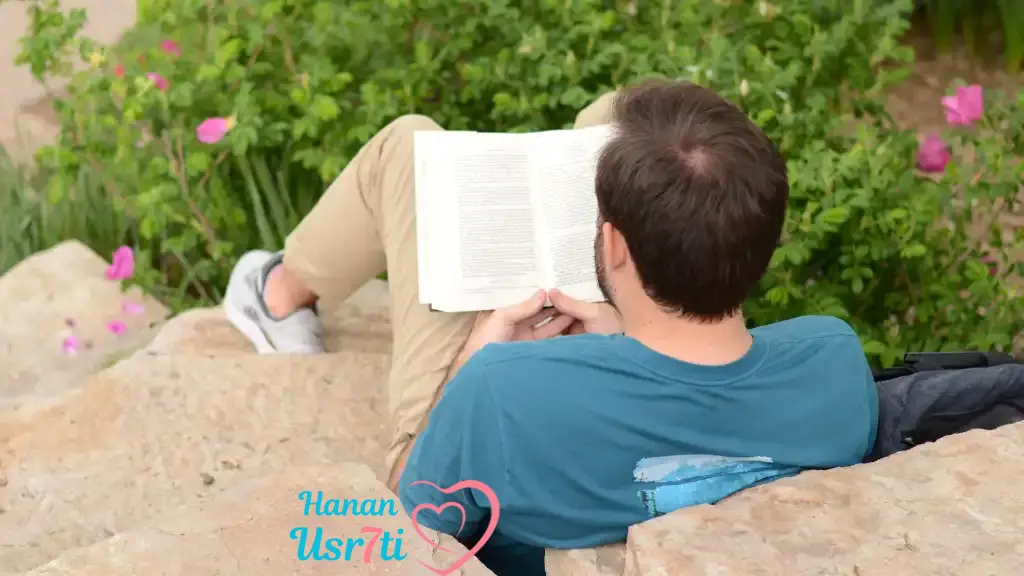
If you’ve been searching “my introvert husband” online, you’re likely experiencing the unique joys and challenges of being married to someone who recharges through solitude rather than socializing.
Maybe you’ve wondered why your introvert husband prefers quiet evenings at home over parties, needs alone time after work, or seems to pull away during busy social seasons. You’re not alone—millions of women are navigating introvert-extrovert marriages and discovering that understanding these personality differences is the key to deeper connection.
Living with an introvert husband doesn’t mean accepting a distant or disconnected marriage. Instead, it means learning a different love language—one based on depth over breadth, quality over quantity, and meaningful silence over constant chatter. Whether you’re newly married or have been together for decades, understanding your introvert husband’s unique wiring will transform your relationship from frustrating to fulfilling.
In this comprehensive guide, you’ll discover everything about my introvert husband dynamics: the science behind introversion, how to recognize introvert behaviors, common relationship challenges and their solutions, communication strategies that actually work, and how to balance your social needs with his need for solitude.
You’ll also learn the beautiful strengths that introvert husbands bring to marriage and how to build a thriving partnership that honors both personalities.
What you’ll learn:
- The neurological differences that make your husband introverted
- 15+ practical strategies for supporting your introvert husband
- How to communicate effectively across personality types
- When to seek professional help vs. accepting natural personality traits
- Real stories from women thriving in introvert-extrovert marriages
- Expert advice from psychologists specializing in personality differences
By the end of this article, you’ll have a complete roadmap for understanding, supporting, and deeply connecting with your introvert husband—turning personality differences into relationship strengths.
What Does It Mean to Be an Introvert?
The Science Behind Introversion
Introversion isn’t just a personality quirk or a phase someone goes through. It’s actually rooted in neuroscience and has been extensively studied by psychologists. According to research, introverts have more active prefrontal cortexes, which means they process information more deeply and require more time to reflect on experiences.
The key difference between introverts and extroverts lies in how they recharge their energy. While extroverts gain energy from social interactions and external stimulation, introverts recharge through solitude and quiet reflection. Think of it like this: if an extrovert’s battery charges through connection, an introvert’s battery charges through solitude.
Brain imaging studies have shown that introverts have higher blood flow in the frontal lobes and anterior thalamus, regions associated with internal processing, planning, and problem-solving. This means your husband isn’t being antisocial when he needs alone time; his brain literally requires it to function optimally.
![My Introvert Husband | Complete Guide to Understanding]() Common Myths About Introverts
Common Myths About Introverts
 Common Myths About Introverts
Let’s bust some myths right away:
Myth 1: Introverts are shy or antisocial
Reality: Introversion and shyness are completely different. Your husband can be confident and socially skilled while still preferring smaller gatherings and needing alone time to recharge.
Myth 2: Introverts don’t like people
Reality: Introverts absolutely enjoy meaningful connections with others. They simply prefer quality over quantity in their relationships.
Myth 3: Introverts are aloof or unfriendly
Reality: What might seem like aloofness is often your husband processing his thoughts internally before speaking.
Myth 4: Introverts need to “come out of their shell”
Reality: Introversion isn’t something to fix or overcome. It’s a natural personality trait with its own valuable strengths.
Signs Your Husband Is an Introvert
Social Behavior Patterns
Recognizing introversion in your husband involves observing consistent patterns rather than isolated behaviors. Does he prefer dinner with two close friends over a large party? Does he need advance notice before social events? These are classic introvert traits.
Your introvert husband likely excels in one-on-one conversations but feels drained after group settings. He might be the person who listens more than he speaks at gatherings, contributing thoughtfully when he does speak. You might notice he’s more talkative and relaxed at home than in public spaces.
Energy and Recharge Needs
Pay attention to how your husband responds after different activities. After a busy workday filled with meetings, does he need an hour alone before he’s ready to engage? After attending a wedding or family gathering, does he seem exhausted even though he appeared to enjoy himself?
These energy patterns are telltale signs of introversion. Your husband isn’t being difficult; he’s managing his energy reserves. Introverts experience what psychologists call “social hangovers” – a genuine feeling of depletion after extended social interaction.
Communication Preferences
Introverted husbands often prefer texting over phone calls, written communication over verbal discussions, and need time to formulate their thoughts before responding to important questions. If your husband says “let me think about it” frequently, he’s not avoiding the conversation; he’s processing internally.
You might notice that your husband shares his deepest thoughts late at night or during quiet moments rather than impulsively throughout the day. This reflective communication style is a hallmark of introversion.
Challenges in a Relationship with an Introvert Husband
Social Gatherings and Events
One of the most common friction points in marriages with an introvert husband involves social obligations. You might feel disappointed when he doesn’t want to attend every party, wedding, or social gathering you’re invited to. You might wonder why he wants to leave events earlier than you do, or why he needs breaks during long family gatherings.
The challenge intensifies when you’re naturally more social. You might feel like he’s holding you back from social opportunities, while he might feel pressured to attend events that drain him. This disconnect can lead to resentment on both sides if not addressed properly.
Misunderstanding Silence
Silence can be golden for introverts but anxiety-inducing for their partners. When your husband goes quiet, your mind might race with worry: Is he angry? Upset? Withdrawing from the relationship? More often than not, he’s simply thinking, processing, or recharging.
This misinterpretation of silence is perhaps the most common challenge in introvert-extrovert relationships. What feels natural and comfortable to your husband might feel like rejection or distance to you.
Different Social Needs
The fundamental challenge boils down to different social needs. You might crave social interaction multiple times per week, while your husband is content with one or two meaningful connections monthly. Neither approach is wrong; they’re just different.
This difference can manifest in various ways: vacation preferences (you want group tours; he wants quiet retreats), weekend plans (you want brunch with friends; he wants a lazy morning at home), and even daily routines (you want to debrief your day immediately; he needs quiet time first).
The Beautiful Strengths of an Introvert Husband
Deep Emotional Connection
Here’s where introvert husbands truly shine. Because they process emotions internally and value depth over breadth in relationships, introverted men often form incredibly deep emotional bonds with their partners. Your husband likely knows you on a level that others might not reach.
Introverts are typically excellent at truly seeing their partners. They notice the small things, remember important details, and create meaningful moments. The emotional intimacy you can build with an introvert husband is often profound and lasting.
![My Introvert Husband Complete Guide to Understanding & Love]() Thoughtfulness and Listening Skills
Thoughtfulness and Listening Skills
 Thoughtfulness and Listening Skills
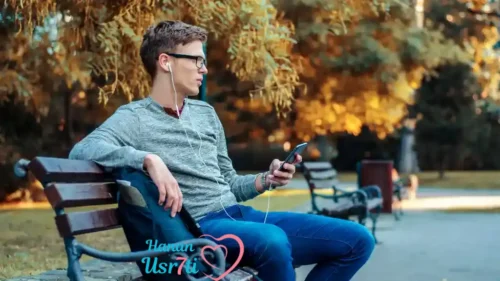
Introverted husbands are often exceptional listeners. While the extroverted guy at a party might dominate conversations, your introvert husband is actually hearing what you’re saying, processing it, and responding thoughtfully. This quality makes introverts incredibly supportive partners during difficult times.
Their thoughtfulness extends beyond listening. Introverts tend to be planners who think ahead, consider consequences, and make deliberate decisions. Your husband’s tendency to “overthink” is actually a strength when it comes to major life decisions, financial planning, and problem-solving.
Loyalty and Commitment
Introverts don’t form connections easily or lightly, which means when they commit, they’re all in. Your introvert husband likely took time to choose you as his partner, and that choice was deliberate and meaningful. This selectivity translates into fierce loyalty and dedication.
Because introverts value their inner circle so highly, they invest deeply in maintaining those relationships. Your husband might not have dozens of friends, but the relationships he has – including your marriage – receive his full attention and commitment.
How to Support Your Introvert Husband
Respecting His Need for Alone Time
The single most important thing you can do for your introvert husband is respect his need for solitude. This doesn’t mean he doesn’t love you or want to spend time with you; it means he needs to recharge to be his best self.
Create a system where he can communicate his need for alone time without guilt. Maybe he has a designated “recharge hour” after work, or perhaps Sunday mornings are his solo time. When you honor these boundaries, you’ll notice he’s more present and engaged during shared time.
Don’t take his need for solitude personally. It’s not a reflection of your relationship quality; it’s a biological need similar to sleep or food.
Creating a Comfortable Home Environment
Your home should be a sanctuary for your introvert husband. This might mean having a quiet space where he can retreat, keeping the home relatively peaceful (especially on weekends), and being mindful about how often you host guests.
Consider these home environment factors:
- A dedicated space (even just a corner) where he can be alone
- Control over noise levels and stimulation at home
- Advance notice before having guests over
- Understanding if he retreats to another room during gatherings
Understanding His Social Limits
Learn to recognize your husband’s social exhaustion signals. Does he become quieter, check his watch frequently, or seem less engaged? These are signs he’s reaching his social limit. Develop exit strategies for events, or agree on time limits beforehand.
Support him by:
- Giving him advance notice about social plans
- Not over-scheduling your calendar
- Allowing him to opt out occasionally without guilt
- Planning recovery time after big events
Communication Strategies for Introvert-Extrovert Couples
Quality Over Quantity in Conversations
Your introvert husband might not engage in constant chitchat throughout the day, but when he does communicate, it’s often meaningful. Rather than feeling hurt by less frequent communication, focus on the depth and quality of your conversations.
Schedule regular check-ins or date nights where you can have uninterrupted, meaningful conversations. Your husband will likely open up more during these dedicated times than he would through scattered conversations throughout the day.
Written Communication as an Alternative
Many introverts express themselves better in writing than in verbal conversations. If your husband struggles to articulate feelings in the moment, try text messages, emails, or even old-fashioned love notes. You might be surprised by how eloquent and expressive he becomes with written words.
This approach works especially well for difficult conversations or important decisions. Giving him time to process and respond in writing can lead to more productive discussions than putting him on the spot verbally.
Scheduling Important Discussions
Don’t ambush your introvert husband with heavy topics. Saying “We need to talk about something important later tonight” gives him time to mentally prepare and process. He’ll engage more fully and thoughtfully when he’s had time to anticipate the conversation.
This doesn’t mean every conversation needs advance scheduling, but for topics like finances, family planning, or relationship concerns, a heads-up makes a significant difference.
Balancing Social Life When You’re More Outgoing
Finding Middle Ground
Compromise is essential in any relationship, but it’s particularly important when you have different social needs. Work together to find a social rhythm that satisfies both of you. Maybe you attend two social events monthly together, and you attend additional events solo or with friends.
Create a system where you each get what you need:
| Your Needs | His Needs | Compromise Solution |
|---|---|---|
| Frequent social interaction | Limited social outings | Attend 2-3 events together monthly; you attend others solo |
| Long parties | Shorter time frames | Arrive together, leave separately or set time limits |
| Large friend groups | Intimate gatherings | Alternate between group events and double dates |
| Spontaneous plans | Advance planning | Schedule some spontaneous “yes” days where he’s prepared for flexibility |
Attending Events Solo
It’s completely acceptable and healthy for you to attend some social events without your husband. This isn’t a sign of relationship weakness; it’s a sign of maturity and respect for each other’s differences. Develop a friend group that you can enjoy activities with independently.
Your introvert husband will likely appreciate that you’re not pressuring him to attend everything, and you’ll enjoy the freedom to socialize at your own pace. When you do attend events together, they’ll be more enjoyable because he won’t feel overwhelmed by constant obligations.
Creating Couple Time That Works
Quality time with your introvert husband might look different than you initially imagined. Instead of loud concerts or crowded restaurants, he might prefer:
- Cooking dinner together at home
- Watching movies or series together
- Taking quiet walks in nature
- Playing board games or working on puzzles
- Traveling to peaceful destinations
- Having deep conversations over coffee
These quieter activities aren’t less romantic or meaningful; they’re just different. Embrace the intimacy that comes with these low-stimulation shared experiences.
Common Mistakes to Avoid
Trying to Change Him
The biggest mistake you can make is viewing your husband’s introversion as a problem to fix. Trying to “bring him out of his shell” or push him to be more social isn’t loving; it’s dismissing a fundamental part of who he is. Imagine if he constantly tried to make you less social or outgoing – it would feel invalidating, right?
Accept that your husband’s personality is not a flaw. He doesn’t need to become more extroverted to have a fulfilling life or successful marriage. The goal is understanding and accommodation, not transformation.
![My Introvert Husband]() Taking His Quietness Personally
Taking His Quietness Personally
 Taking His Quietness Personally
When your husband goes quiet or needs alone time, resist the urge to interpret it as rejection or relationship problems. His silence or need for solitude almost never has anything to do with you personally. It’s simply how he processes the world and manages his energy.
If you consistently take his introverted behaviors personally, you’ll create unnecessary conflict and make him feel guilty for basic needs. This pattern can erode the relationship over time.
Overwhelming Him with Social Obligations
Saying yes to every invitation and expecting your husband to attend is a recipe for resentment and burnout. Before committing to events, check with him and be honest about what’s truly important. Not every cousin’s birthday party or coworker’s gathering requires both of you to attend.
Watch for signs of social exhaustion:
- Increased irritability
- Withdrawal even at home
- Physical symptoms like headaches or fatigue
- Reduced engagement in activities he usually enjoys
If you notice these signs, your social calendar might need adjustment.
When Introversion Might Be Something More
Social Anxiety vs. Introversion
It’s important to distinguish between introversion and social anxiety. Introverts choose solitude for recharging but can comfortably engage socially when they choose to. Social anxiety, however, involves fear and significant distress about social situations.
Signs your husband might have social anxiety rather than simple introversion:
- Extreme worry before social events
- Physical symptoms (sweating, trembling, nausea) in social settings
- Avoiding social situations due to fear rather than preference
- Significant distress that impacts daily functioning
- Negative self-talk about social performance
If you suspect social anxiety, gently encourage professional support. Therapy, particularly cognitive-behavioral therapy, can be highly effective for social anxiety.
Depression and Withdrawal
Sometimes what appears to be increased introversion is actually depression. If your husband’s need for solitude has increased dramatically, he’s lost interest in activities he previously enjoyed, or he seems consistently down or hopeless, depression could be the culprit.
Depression warning signs include:
- Persistent sadness or emptiness
- Loss of interest in hobbies and activities
- Changes in sleep or appetite
- Difficulty concentrating
- Withdrawal from you and others close to him
Depression requires professional treatment. If you’re concerned, have a compassionate conversation and suggest speaking with a healthcare provider.
Building a Strong Marriage with Your Introvert Husband
Celebrating Differences
The introvert-extrovert dynamic can actually strengthen your marriage if you frame it properly. Your differences create balance. You might encourage your husband to step outside his comfort zone occasionally, while he helps you appreciate quiet reflection and deep connection. Together, you create a more complete whole.
Celebrate what each of you brings to the relationship:
His Introvert Strengths:
- Deep thinking and planning
- Excellent listening
- Meaningful conversations
- Calm presence
- Thoughtful decision-making
- Rich inner life
Your Extrovert Strengths:
- Social connections and networking
- Enthusiasm and energy
- Spontaneity
- Verbal processing
- Community building
- Outward expression of emotions
Growing Together While Respecting Individuality
A healthy marriage requires both togetherness and individuality. With an introvert husband, this balance might look like:
- Pursuing separate hobbies that match your energy needs
- Having some separate social circles
- Maintaining individual identities within the marriage
- Supporting each other’s different approaches to life
- Creating shared rituals that work for both personalities
Growth in your marriage doesn’t mean becoming more alike; it means becoming better at navigating your differences with love, respect, and understanding.
Real Stories from Women Married to Introverts
Sarah, married for 12 years, shares: “I used to think my husband didn’t enjoy our marriage because he always needed space. Once I understood his introversion, everything changed. Now when he needs alone time, I see it as him taking care of himself so he can show up fully for us. Our relationship is stronger than ever.”
Michelle reflects: “The first few years were rough. I took everything personally. But I learned that his quiet love is just as valid as my loud love. He shows care through actions, remembering details, and being fully present during our conversations. I wouldn’t trade his depth for anything.”
Jennifer notes: “We created a signal system. When he’s socially exhausted, he can tell me without feeling guilty, and I can attend events solo without resentment. It’s not about one of us winning; it’s about both of us getting our needs met.”
These stories highlight a common theme: understanding and respecting introversion transforms relationships from frustrating to fulfilling.
Professional Advice for Introvert-Extrovert Relationships
Relationship therapists consistently offer several key recommendations for introvert-extrovert couples:
Dr. Marti Olsen Laney, author of “The Introvert Advantage,” emphasizes that both personality types must understand they’re speaking different languages. She recommends couples educate themselves about each other’s wiring and create explicit agreements about social time, alone time, and communication.
Susan Cain, who wrote “Quiet: The Power of Introverts,” suggests that extroverts practice staying home and getting comfortable with quiet, while introverts practice being uncomfortable in social settings occasionally. The key is mutual stretching without resentment.
Relationship experts agree on these principles:
- Neither personality type is superior – it’s about compatibility and understanding
- Explicit communication is essential – don’t expect your partner to read your mind
- Compromise requires both partners – it can’t be one-sided
- Respect must be mutual – your needs are equally valid
- Professional help is valuable – couples therapy can provide tools and perspective
Conclusion
Loving an introvert husband is a journey of understanding, patience, and celebration of differences. Your husband’s quiet nature, need for solitude, and preference for depth over breadth aren’t flaws to fix; they’re integral parts of who he is. When you understand that his introversion is about how he processes the world and manages energy, his behaviors become less confusing and more predictable.
The key to thriving in your marriage lies in respecting his needs while ensuring yours are met too. This balance requires open communication, explicit agreements, and mutual compromise. When you honor his introverted nature, you’ll likely discover the profound depths of loyalty, thoughtfulness, and emotional connection that introverted partners offer.
Remember that the introvert-extrovert dynamic can be a strength rather than a liability. You balance each other, challenge each other, and expand each other’s worlds. Your differences, when embraced rather than resisted, create a richer, more complete partnership.
Your introvert husband chose you deliberately, and that choice carries weight. His love might be quieter than you expected, but it’s no less profound. In the quiet moments, in the thoughtful gestures, in the deep conversations, you’ll find a love that’s genuine, committed, and enduring.
FAQs About Living with an Introvert Husband
1. How much alone time does an introvert husband typically need?
There’s no universal answer, as introversion exists on a spectrum. Some introverted husbands need an hour daily to recharge, while others might need entire weekends occasionally. The key is communicating with your specific husband about his needs. Pay attention to his energy levels and mood – if he’s becoming irritable or withdrawn, he likely needs more solo time. Create a system where he can request alone time without guilt, and you’ll both benefit from his improved mood and energy when he’s recharged.
2. Is it normal for my introvert husband to prefer staying home over going out with me?
Yes, this is completely normal for introverts. It’s not a reflection of his feelings for you or his commitment to the marriage. Introverts genuinely prefer low-stimulation environments and intimate settings. Rather than viewing it as rejection, consider that when he chooses quality time at home with you, he’s sharing his preferred environment with someone he loves. You can balance this by having regular date nights at home and occasionally venturing out for special occasions that matter to both of you.
3. How can I get my introvert husband to open up more emotionally?
Introverts often need specific conditions to open up: uninterrupted time, low-pressure environments, and sometimes the option to communicate in writing first. Don’t ambush him with deep conversations when he’s already drained. Instead, schedule dedicated time, perhaps during a quiet dinner at home or a peaceful walk. Ask open-ended questions and then give him space to think before responding. Respect that he might share less frequently but more deeply than extroverts. Written communication through texts or letters can also help him express feelings he might struggle to articulate verbally.
4. Should I worry that my introvert husband doesn’t have many friends?
No, this isn’t cause for concern unless he seems unhappy about it. Introverts typically maintain smaller social circles with deeper connections rather than large networks of acquaintances. Quality over quantity is their natural approach to friendship. As long as he has a few meaningful relationships (which might include you, family members, and one or two close friends) and seems content, his social life is probably perfect for him. The extroverted model of friendship isn’t the only healthy approach.
5. Can an introvert-extrovert marriage really work long-term?
Absolutely! Many successful, long-lasting marriages involve partners with different personality types. The key is mutual understanding, respect, and willingness to compromise. Research shows that opposites can attract and thrive together when both partners value their differences rather than viewing them as problems. Your different approaches to life can create balance, with each partner compensating for the other’s blind spots. Success requires open communication about needs, explicit agreements about social commitments and alone time, and genuine appreciation for what each personality type brings to the relationship.
References:
Laney, M. O. (2002). The Introvert Advantage: How to Thrive in an Extrovert World. Workman Publishing Company. https://www.workman.com/products/the-introvert-advantage
Cain, S. (2013). Quiet: The Power of Introverts in a World That Can’t Stop Talking. Broadway Books. https://www.quietrev.com/
Helgoe, L. (2013). Introvert Power: Why Your Inner Life Is Your Hidden Strength. Sourcebooks. https://www.sourcebooks.com/