

- Advertisement -
Skin Benefits of Apricot Oil | Complete Guide + How to Use
Apricot Oil for Skin | Benefits, Uses & Anti-Aging Secrets

- Advertisement -
Skin Benefits of Apricot Oil
Have you ever wondered why apricot oil has become such a beloved ingredient in natural skincare? This lightweight, nutrient-rich oil has been quietly transforming complexions for centuries, yet many people still haven’t discovered its remarkable benefits. Whether you’re battling dry patches, fighting the signs of aging, or simply looking for a natural alternative to commercial moisturizers, apricot oil might just be the golden solution your skin has been craving.
In this comprehensive guide, we’ll explore everything you need to know about apricot oil and its incredible impact on skin health. From its scientific properties to practical applications, you’ll discover why this gentle yet powerful oil deserves a permanent place in your skincare routine.
What Is Apricot Oil and Why Is It Good for Your Skin?
Understanding Apricot Kernel Oil
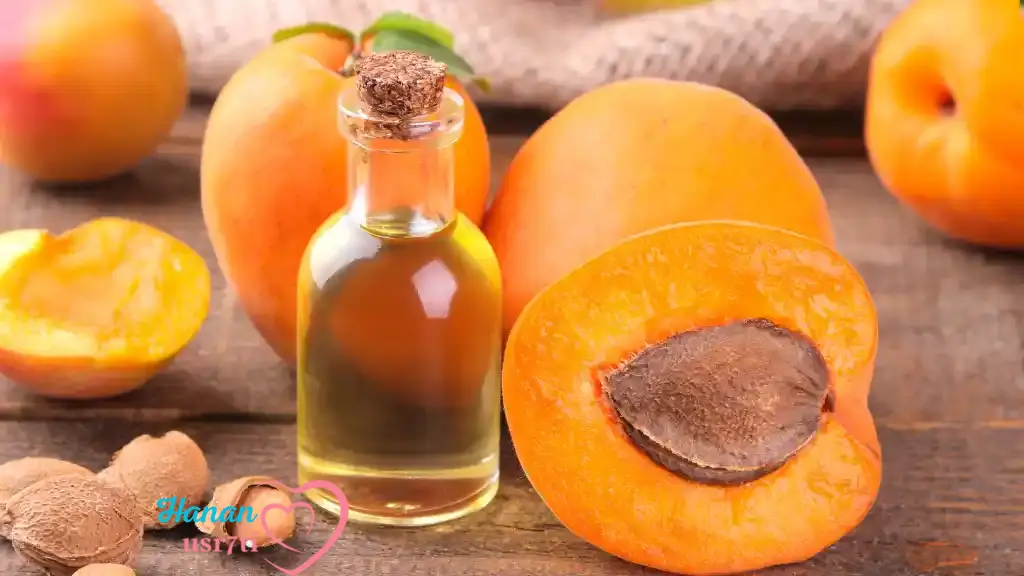
Apricot oil, also known as apricot kernel oil, is extracted from the seeds found inside apricot pits. This cold-pressed oil has been used in traditional medicine and beauty treatments across Asia and the Mediterranean for thousands of years. Unlike many heavy oils, apricot oil has a remarkably light texture that absorbs quickly into the skin without leaving a greasy residue.
The oil is typically pale yellow in color and carries a subtle, slightly nutty aroma. What makes it particularly special for skincare is its unique molecular structure that closely resembles the natural oils produced by human skin, allowing it to be readily accepted and utilized by your skin cells.
Nutritional Composition That Makes It Special
The power of apricot oil lies in its exceptional nutritional profile. This natural oil contains a balanced combination of vitamins, minerals, and essential fatty acids that work synergistically to nourish and protect your skin.
Key components include:
- Vitamin E (tocopherol).
- Vitamin A (retinol).
- Vitamin K.
- Oleic acid (Omega-9 fatty acid).
- Linoleic acid (Omega-6 fatty acid).
- Palmitic acid.
- Stearic acid.
This unique blend of nutrients makes apricot oil suitable for virtually all skin types, from dry and sensitive to oily and combination skin.

The Science-Backed Skin Benefits of Apricot Oil
Deep Hydration and Moisture Retention
One of apricot oil’s most celebrated benefits is its ability to deeply hydrate the skin. The oil’s emollient properties create a protective barrier on the skin’s surface, preventing moisture loss while allowing the skin to breathe. Unlike petroleum-based products that simply coat the skin, apricot oil actually penetrates the upper layers of the epidermis, delivering hydration where it’s needed most.
The linoleic acid content in apricot oil plays a crucial role in maintaining the skin’s natural moisture barrier. Research has shown that skin deficient in linoleic acid often experiences increased water loss and susceptibility to irritation. By supplementing your skin with this essential fatty acid, apricot oil helps restore optimal hydration levels and improves overall skin resilience.
Anti-Aging Properties and Wrinkle Reduction
Can a simple oil really help turn back the clock on aging skin? The answer is a resounding yes. Apricot oil is packed with antioxidants, particularly vitamin E, which combat free radical damage—one of the primary causes of premature aging.
Free radicals are unstable molecules that damage collagen and elastin, the proteins responsible for keeping skin firm and supple. By neutralizing these harmful molecules, the antioxidants in apricot oil help prevent the formation of fine lines and wrinkles. Additionally, the vitamin A content stimulates cell turnover, encouraging the growth of fresh, youthful skin cells while shedding older, damaged ones.
Regular application of apricot oil can lead to visible improvements in skin elasticity, firmness, and overall texture. Many users report that fine lines around the eyes and mouth become less pronounced after consistent use.
Improving Skin Texture and Tone
Uneven skin tone and rough texture are common concerns that apricot oil addresses effectively. The oil’s gentle exfoliating properties, thanks to its vitamin A content, help slough away dead skin cells that can make skin appear dull and uneven.
The essential fatty acids in apricot oil also support the skin’s natural renewal process, promoting a smoother, more refined texture. Over time, you’ll notice your skin feels softer to the touch and appears more radiant. The oil can even help fade dark spots and hyperpigmentation, though patience and consistency are key for these results.
Treating Acne and Blemishes
It might seem counterintuitive to apply oil to acne-prone skin, but apricot oil’s unique composition makes it surprisingly beneficial for those dealing with breakouts. The oil is non-comedogenic, meaning it won’t clog pores when used appropriately.
The linoleic acid in apricot oil is particularly important for acne-prone skin. Studies have shown that individuals with acne often have lower levels of linoleic acid in their skin’s natural sebum. This deficiency can lead to thicker, more pore-clogging sebum. By applying apricot oil topically, you’re helping restore a healthier balance of fatty acids, which can actually reduce breakouts rather than cause them.
Furthermore, apricot oil’s anti-inflammatory properties help calm redness and irritation associated with acne, while its antibacterial qualities may help prevent the proliferation of acne-causing bacteria.
Soothing Sensitive and Inflamed Skin
If you have sensitive skin that reacts to seemingly everything, apricot oil might become your new best friend. Its gentle, hypoallergenic nature makes it suitable even for the most reactive skin types.
The anti-inflammatory compounds in apricot oil help reduce redness, itching, and irritation. Whether you’re dealing with eczema, rosacea, or general sensitivity, the soothing properties of this oil can provide much-needed relief. The oil creates a protective barrier that shields sensitive skin from environmental irritants while simultaneously delivering nourishing ingredients that support skin healing and repair.
Key Nutrients in Apricot Oil for Skin Health
Vitamin E: The Antioxidant Powerhouse
Vitamin E is perhaps the most celebrated skincare vitamin, and apricot oil contains it in abundance. This fat-soluble antioxidant protects skin cells from oxidative stress caused by UV radiation, pollution, and other environmental aggressors.
Beyond its protective functions, vitamin E also supports skin healing and reduces inflammation. It strengthens the skin’s barrier function, improving moisture retention and overall skin health. For those with scars or skin damage, vitamin E can promote faster healing and reduce the appearance of marks over time.
Vitamin A: Cell Regeneration Support
Vitamin A, particularly in the form of retinol, is renowned for its ability to stimulate cell turnover and collagen production. While apricot oil contains natural vitamin A, it’s much gentler than synthetic retinoids, making it suitable for those with sensitive skin who can’t tolerate stronger treatments.
This vitamin helps unclog pores, smooth texture, and improve the overall appearance of aging skin. It also supports the skin’s natural repair mechanisms, helping to heal damage and maintain a healthy, youthful complexion.
Essential Fatty Acids: Omega-6 and Omega-9
The essential fatty acids in apricot oil—primarily oleic acid (omega-9) and linoleic acid (omega-6)—are fundamental to healthy skin function.
Here’s a breakdown of their benefits:
| Fatty Acid | Percentage in Apricot Oil | Primary Benefits |
|---|---|---|
| Oleic Acid (Omega-9) | 60-70% | Deep penetration, enhanced nutrient absorption, anti-inflammatory |
| Linoleic Acid (Omega-6) | 20-30% | Moisture retention, acne reduction, barrier support |
| Palmitic Acid | 4-7% | Emollient properties, skin softening |
| Stearic Acid | 1-2% | Cleansing properties, texture enhancement |
These fatty acids work together to maintain the integrity of your skin’s protective barrier, keeping moisture in and irritants out. They also possess anti-inflammatory properties that can calm various skin conditions.
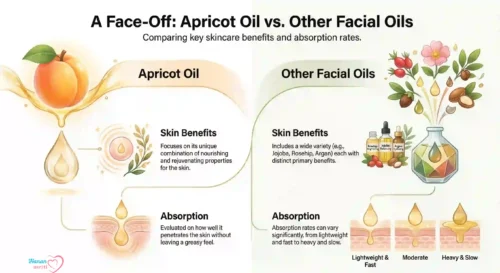
How Apricot Oil Compares to Other Popular Facial Oils
With so many facial oils on the market, how does apricot oil stack up against the competition? Let’s compare it to some popular alternatives:
| Oil Type | Absorption Speed | Best For | Comedogenic Rating |
|---|---|---|---|
| Apricot Oil | Fast | All skin types, sensitive skin | 2 (low) |
| Jojoba Oil | Medium | Oily, acne-prone skin | 2 (low) |
| Argan Oil | Medium | Dry, mature skin | 0 (non-comedogenic) |
| Rosehip Oil | Fast | Aging skin, scars | 1 (very low) |
| Coconut Oil | Slow | Body moisturizing | 4 (high – avoid on face) |
Apricot oil strikes an excellent balance between effectiveness and gentleness. While argan oil might offer slightly more intensive anti-aging benefits, and rosehip oil excels at scar treatment, apricot oil provides a well-rounded approach that suits most skin types and concerns. Its light texture and quick absorption make it particularly appealing for those who dislike the heavy feeling some oils leave behind.
Different Ways to Use Apricot Oil in Your Skincare Routine
As a Daily Facial Moisturizer
The simplest way to incorporate apricot oil into your routine is as a daily moisturizer. After cleansing and toning, apply 2-3 drops of apricot oil to your fingertips and gently press into your face and neck. The oil absorbs quickly, leaving skin soft and hydrated without any greasy residue.
For best results, apply the oil to slightly damp skin. This helps lock in moisture and enhances absorption. You can use it morning and night, or just at night if you prefer a lighter daytime routine.
Pro tip, Mix a drop of apricot oil with your regular moisturizer for an extra hydration boost without changing your entire routine.
For Gentle Makeup Removal
Forget harsh makeup removers that strip your skin of its natural oils. Apricot oil makes an excellent, gentle makeup remover that nourishes while it cleanses. Simply apply the oil to a cotton pad or your fingertips and massage over your face in circular motions. The oil will dissolve makeup, dirt, and impurities.
Even waterproof mascara doesn’t stand a chance against apricot oil. After removing your makeup, follow with your regular cleanser to remove any oil residue, or simply wipe away with a warm, damp cloth for a one-step cleansing routine.
In DIY Face Masks and Treatments
Apricot oil serves as an excellent base for homemade face masks, enhancing the benefits of other natural ingredients.
Apricot Oil and Honey Mask
This simple mask combines the moisturizing power of apricot oil with honey’s antibacterial and humectant properties.
Ingredients:
- 1 tablespoon apricot oil.
- 1 tablespoon raw honey.
- 1 teaspoon plain yogurt (optional, for extra exfoliation).
Instructions:
- Mix all ingredients in a small bowl.
- Apply to clean, dry skin.
- Leave on for 15-20 minutes.
- Rinse with warm water and pat dry.
This mask is perfect for dry, dull skin in need of a hydration boost.
Apricot Oil and Avocado Mask
For mature or very dry skin, this rich, nourishing mask delivers intensive hydration and anti-aging benefits.
Ingredients:
- ½ ripe avocado, mashed.
- 1 tablespoon apricot oil.
- ½ teaspoon vitamin E oil (optional).
Instructions:
- Combine all ingredients until smooth.
- Apply a thick layer to clean skin.
- Relax for 20 minutes.
- Rinse thoroughly with warm water.
Use this mask once or twice weekly for best results.

Apricot Oil for Specific Skin Concerns
Dry and Dehydrated Skin
If your skin feels tight, flaky, or uncomfortable, apricot oil can provide the intensive hydration you need. Its rich fatty acid content replenishes the skin’s lipid barrier, preventing moisture loss and restoring suppleness.
For severely dry skin, consider using apricot oil as an overnight treatment. Apply a generous amount before bed, allowing it to work its magic while you sleep. You’ll wake up to softer, more comfortable skin.
Key benefit: Unlike heavy creams that sit on the surface, apricot oil penetrates deeply to address dehydration at its source.
Mature and Aging Skin
Mature skin benefits tremendously from the antioxidants and vitamins in apricot oil. The vitamin E fights free radicals that accelerate aging, while vitamin A stimulates collagen production and cell renewal.
For targeting specific areas of concern like crow’s feet or forehead lines, apply apricot oil with gentle upward massage motions. The massage itself improves circulation, while the oil nourishes and firms the skin.
Consistency is crucial when using apricot oil for anti-aging purposes. You likely won’t see dramatic overnight results, but with regular use over several weeks to months, you’ll notice improvements in skin firmness, texture, and the appearance of fine lines.
Combination and Oily Skin
Many people with oily skin avoid facial oils, fearing they’ll make the problem worse. However, apricot oil’s light texture and balancing properties make it surprisingly suitable for combination and even oily skin types.
The key is using the right amount. For oily skin, start with just 1-2 drops and focus application on drier areas. Avoid over-applying to the T-zone if that’s where you experience excess oil.
Interestingly, applying oil can actually help regulate your skin’s oil production. When skin is stripped of its natural oils by harsh cleansers, it often overcompensates by producing even more sebum. By providing your skin with the fatty acids it needs, apricot oil can help restore balance and reduce excess oiliness over time.
Safety, Side Effects, and Precautions
Apricot oil is generally considered very safe for topical use, but like any skincare ingredient, it’s important to be aware of potential issues.
Allergy considerations: If you have a tree nut allergy, exercise caution when trying apricot oil for the first time. While apricots are drupes (stone fruits) rather than nuts, some individuals with nut allergies may still react. Always perform a patch test before applying any new product to your face.
How to perform a patch test:
- Apply a small amount of apricot oil to your inner forearm.
- Cover with a bandage and wait 24-48 hours.
- If no redness, itching, or irritation occurs, it’s likely safe to use on your face.
Quality matters: Always choose cold-pressed, organic apricot oil when possible. Lower-quality oils may be refined using chemicals or heat, which can destroy beneficial nutrients and potentially introduce contaminants.
Storage tips: Store apricot oil in a cool, dark place, away from direct sunlight. Properly stored, it should last 6-12 months. If the oil develops an off smell or changes color, it’s best to discard it.
How to Choose the Best Quality Apricot Oil
Not all apricot oils are created equal. Here’s what to look for when shopping:
Cold-pressed» This extraction method preserves the oil’s nutritional content. Heat-processed oils may be cheaper but offer fewer benefits.
Organic certification» Organic oils are free from pesticides and harmful chemicals that could irritate your skin.
Pure and unrefined» Avoid blended products or oils with added fragrances. Pure apricot oil provides the best results.
Dark glass bottle» Quality oils are packaged in dark glass bottles to protect them from light degradation.
Clear labeling» The label should clearly state “apricot kernel oil” or “Prunus armeniaca,” along with the extraction method and country of origin.
Reputable brands to consider: Look for established natural skincare brands with positive reviews and transparent sourcing practices. While brand names can vary by region, prioritize companies that specialize in carrier oils and natural beauty products.

Conclusion
Apricot oil truly deserves its reputation as a skincare superstar. From providing deep hydration and fighting signs of aging to soothing sensitive skin and balancing oily complexions, this versatile oil offers benefits for virtually every skin type and concern. Its rich nutritional profile—packed with vitamins E and A, along with essential fatty acids—makes it a powerhouse ingredient that rivals many expensive commercial skincare products.
What makes apricot oil particularly appealing is its gentle nature and quick absorption. You don’t need to worry about heavy, greasy residue or complicated application techniques. Simply add a few drops to your routine, and let nature’s golden elixir work its magic.
Whether you’re just beginning your natural skincare journey or you’re a seasoned devotee of plant-based beauty, apricot oil is an affordable, effective addition that can transform your skin over time. Remember, consistency is key—give your skin at least a few weeks to adjust and respond to this nourishing oil, and you’ll likely discover why it’s been cherished for centuries.
Ready to experience the remarkable benefits of apricot oil for yourself? Your skin will thank you.
FAQs
1. Can I use apricot oil on my face every day?
Yes, apricot oil is gentle enough for daily use on most skin types. Start by applying it once daily, preferably at night, and gradually increase to twice daily if your skin responds well. Those with very oily skin might prefer using it every other day or mixing it with lighter products.
2. How long does it take to see results from using apricot oil?
Results vary depending on your skin concerns and consistency of use. You may notice improved hydration and softness within days, while anti-aging benefits and improvements in skin tone typically become visible after 4-8 weeks of regular application. Patience and consistency are essential for optimal results.
3. Is apricot oil better than coconut oil for facial skincare?
For facial use, apricot oil is generally superior to coconut oil. Apricot oil has a low comedogenic rating and absorbs quickly, while coconut oil is highly comedogenic and can clog pores, leading to breakouts. Coconut oil is better suited for body moisturizing rather than facial application.
4. Can apricot oil help with dark circles under the eyes?
While apricot oil can hydrate and nourish the delicate under-eye area, it’s not a miracle cure for dark circles. However, its vitamin K content may help improve the appearance of darkness caused by poor circulation. Gently pat a small amount around the eye area nightly for best results, but manage expectations—genetics and lifestyle factors play significant roles in dark circles.
5. Should I refrigerate apricot oil after opening?
Refrigeration isn’t necessary, but it can extend the oil’s shelf life. Store apricot oil in a cool, dark place away from direct sunlight and heat sources. If you live in a very warm climate, refrigeration can prevent the oil from becoming rancid prematurely. Just allow it to come to room temperature before use for easier application.
References:
- National Center for Biotechnology Information – Essential fatty acids and skin health: https://www.ncbi.nlm.nih.gov/pmc/articles/PMC6115114/
- Dermato-Endocrinology – Vitamin E in dermatology: https://www.ncbi.nlm.nih.gov/pmc/articles/PMC3583891/
- International Journal of Cosmetic Science – Properties and applications of apricot kernel oil in cosmetics: https://onlinelibrary.wiley.com/journal/14682494+
