

- Advertisement -
Sweet Almond Oil for Skin | Benefits, Uses
Sweet Almond Oil for Skin | The Complete Science-Backed Guide


- Advertisement -
Sweet Almond Oil for Skin
Have you ever wondered why so many skincare products list “sweet almond oil” somewhere in their ingredient panel? You see it in luxury serums, budget-friendly lotions, baby products, and even high-end massage oils. There’s a reason this golden liquid keeps showing up everywhere — and it’s not just clever marketing.
Sweet almond oil has been used for centuries across Persian, Ayurvedic, and Chinese medicine traditions as a skin-healing remedy. And here’s the thing: modern science is actually catching up to what ancient healers already knew. This oil isn’t just a trend — it’s a time-tested, nutrient-rich powerhouse that works for nearly every skin type.
Whether you’re dealing with stubborn dark circles, itchy eczema patches, dull skin, or those stretch marks that seem impossible to fade, sweet almond oil might just become your new best friend. In this comprehensive guide, we’re going to break down everything you need to know — from what it is and how it works, to exactly how to use it for maximum skin benefits.
Let’s dive in.
What Is Sweet Almond Oil?
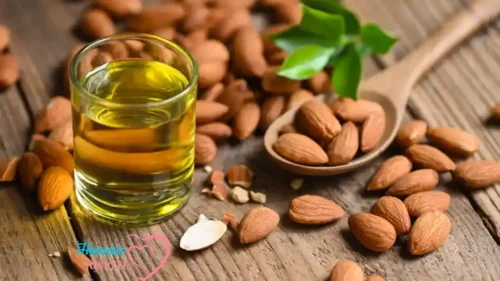
Sweet almond oil is a lightweight, pale yellow oil extracted from the dried kernels of the Prunus dulcis tree — better known as the sweet almond tree. Unlike bitter almond oil (which contains compounds that can be toxic), sweet almond oil is completely safe for topical use and is widely embraced in cosmetics, aromatherapy, and skincare.
Where Does It Come From?
The sweet almond tree is native to the Middle East and South Asia but is now commercially cultivated across the Mediterranean — particularly in Spain, Italy, and California. The oil is extracted from mature, dried almond kernels, usually through cold-pressing, which preserves its natural nutrients.
Cold-Pressed vs. Refined Sweet Almond Oil
Here’s an important distinction most buyers overlook. Cold-pressed sweet almond oil is extracted without heat, which means its vitamins, fatty acids, and antioxidants remain intact. Refined sweet almond oil, on the other hand, goes through chemical or heat processes that strip away some of those beneficial compounds.
Key Takeaway: For skincare purposes, always opt for 100% pure, cold-pressed, unrefined sweet almond oil. That’s where the real magic lives.
Nutritional Profile: What Makes Sweet Almond Oil So Powerful?
You wouldn’t eat a meal without knowing what’s in it (well, most of the time), so why slather something on your skin without understanding what it’s made of? Sweet almond oil’s impressive benefits come directly from its rich nutritional composition.
Key Vitamins and Fatty Acids
| Nutrient | Benefit for Skin |
|---|---|
| Vitamin E (Tocopherol) | Antioxidant protection, anti-aging |
| Vitamin A (Retinol precursor) | Cell regeneration, smoothing |
| Vitamin B2 (Riboflavin) | Skin repair and tone improvement |
| Vitamin K | Reduces dark circles, bruising |
| Oleic Acid (Omega-9) | Deep hydration, moisture locking |
| Linoleic Acid (Omega-6) | Skin barrier repair, anti-inflammatory |
| Palmitic Acid | Emollient properties |
| Zinc | Wound healing, anti-acne |
Vitamin E and Its Role in Skin Health
Vitamin E is essentially your skin’s personal bodyguard. It neutralizes free radicals — those unstable molecules caused by UV exposure, pollution, and stress — that speed up skin aging. Sweet almond oil is naturally abundant in alpha-tocopherol, the most bioavailable form of Vitamin E, making it an exceptional antioxidant for daily skin protection.
Oleic and Linoleic Acids Explained
Think of oleic acid as the oil that dives deep. It has a molecular structure small enough to penetrate below the skin’s surface, delivering moisture where it’s needed most. Linoleic acid, meanwhile, works at the surface level to reinforce the skin’s protective barrier — the outermost layer that locks in hydration and keeps irritants out. Together, these two fatty acids create a powerful one-two punch of deep and surface-level skin nourishment.
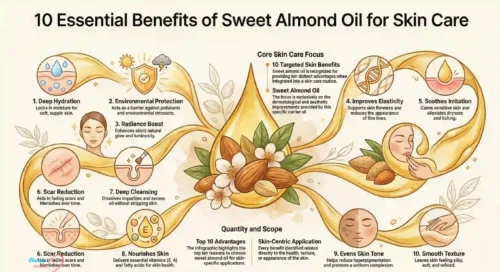
Top Benefits of Sweet Almond Oil for Skin
Now we’re getting to the good stuff. Why are beauty enthusiasts, dermatologists, and skincare DIYers all obsessing over this oil? Here’s a detailed breakdown:
Deep Moisturization Without Greasiness
One of the biggest frustrations with face oils? They leave your skin looking like a frying pan by noon. Sweet almond oil sidesteps this problem entirely. It’s classified as a “dry oil,” meaning it absorbs relatively quickly into the skin without leaving a heavy, greasy residue. It works as an emollient — it softens and smooths the skin by filling in the tiny gaps between skin cells with nourishing fatty acids. The result? Silky, supple skin that looks hydrated, not oily.
Reduces Dark Circles and Puffiness
Raise your hand if you’ve tried every under-eye cream under the sun. Here’s something you might not have tried yet: sweet almond oil. Its high Vitamin K content has been shown to reduce discoloration and improve blood circulation in the delicate under-eye area. The Vitamin E supports the thin skin there, while the anti-inflammatory fatty acids help reduce puffiness. A gentle nightly massage with a few drops can make a noticeable difference over time.
Fades Scars, Stretch Marks, and Hyperpigmentation
This is one of sweet almond oil’s most celebrated benefits. Studies suggest that the Vitamin E and fatty acids in sweet almond oil can improve the appearance of scars and stretch marks by promoting collagen synthesis and skin regeneration. It also inhibits melanin production to some degree, which helps fade dark spots and uneven patches over time.
Reader Note: Results take consistency. Applying once won’t cut it — commit to daily application for at least 4–6 weeks before judging the outcome.
Anti-Aging and Skin Elasticity
Skin aging is essentially a story of collagen loss and oxidative stress. Sweet almond oil combats both. The antioxidants fight environmental damage, while the fatty acids support the skin’s structural integrity. Regular use can improve skin elasticity, reduce the appearance of fine lines, and give skin that coveted youthful glow. Think of it as a daily deposit into your long-term skin health savings account.
Soothes Skin Conditions Like Eczema and Psoriasis
Got itchy, inflamed, or flaky patches? Sweet almond oil is a known emollient used in clinical settings for managing eczema and psoriasis symptoms. A 2010 study published in the Journal of Cosmetic Dermatology found that topical application of sweet almond oil significantly improved skin hydration and reduced transepidermal water loss — a key factor in eczema management. The oil’s anti-inflammatory properties also calm redness and irritation without the side effects associated with steroid creams.
Natural Cleanser and Makeup Remover
Like dissolves like — that’s the basic chemistry behind oil cleansing. Sweet almond oil effortlessly dissolves oil-based makeup (yes, even waterproof mascara), sebum, and environmental impurities without stripping the skin’s natural oils. Unlike harsh micellar waters or alcohol-based removers, it actually nourishes while it cleanses. Apply a few drops to a cotton pad, gently swipe, and watch your makeup melt away.
How to Use Sweet Almond Oil on Your Skin
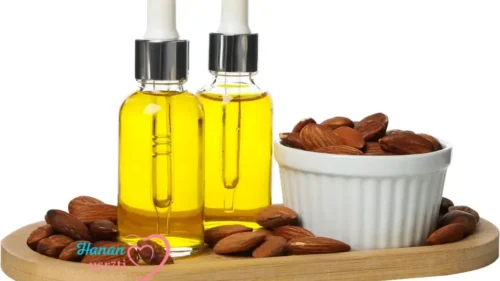
Knowing the benefits is half the battle. The other half is knowing how to actually use this oil effectively. Here are the most practical application methods:
Direct Application as a Moisturizer
Warm 3–5 drops between your palms and press gently into clean, slightly damp skin. The dampness helps the oil absorb more effectively. Use it alone or layer it under your regular moisturizer as a hydration booster. Best applied at night to allow full absorption.
As a Carrier Oil in DIY Blends
Essential oils are powerful — sometimes too powerful to apply directly to skin. Sweet almond oil serves as an excellent carrier oil to dilute essential oils like lavender, tea tree, or frankincense before topical application. A general dilution ratio is 2–3 drops of essential oil per teaspoon of carrier oil.
Under-Eye Treatment
Dip your ring finger (it applies the least pressure) into a small amount of sweet almond oil and tap gently around the orbital bone before bedtime. Let it absorb overnight. Do this nightly for at least 4 weeks.
Body Massage Oil
Its smooth consistency and slow absorption rate make sweet almond oil ideal for full-body massage. It glides beautifully without drying out too fast, and its skin-softening properties mean you’re nourishing skin while working out muscle tension. Win-win.
Sweet Almond Oil for Different Skin Types
One of the most impressive things about sweet almond oil is its versatility. Unlike many skincare ingredients that suit only specific skin types, this oil plays well with almost everyone.
Oily Skin
Counterintuitive as it sounds, oil can balance oil. Sweet almond oil has a comedogenic rating of 2 on a scale of 0–5, meaning it’s low-risk for clogging pores. When skin is stripped of its natural oils (by harsh cleansers), it compensates by producing more sebum. Using a lightweight, non-comedogenic oil like sweet almond oil actually signals the skin to produce less of its own oil. Use a tiny amount — 1–2 drops — mixed into your moisturizer.
Dry Skin
This is where sweet almond oil truly shines. Its emollient properties create a protective layer that locks in moisture, making it ideal for chronically dry or dehydrated skin. Layer it under your richest moisturizer at night, or use it as a standalone body oil post-shower while skin is still slightly damp.
Sensitive and Combination Skin
Sweet almond oil is hypoallergenic in most cases (unless you have a tree nut allergy) and is gentle enough for sensitive skin. For combination skin, apply only to dry areas (cheeks, forehead) while avoiding the T-zone if breakouts are a concern.
Sweet Almond Oil vs. Other Popular Oils
How does sweet almond oil stack up against the competition? Let’s compare:
| Feature | Sweet Almond Oil | Jojoba Oil | Rosehip Oil | Argan Oil |
|---|---|---|---|---|
| Comedogenic Rating | 2 | 0–2 | 1 | 0 |
| Best For | All skin types | Oily/acne-prone | Anti-aging, scars | Dry/mature |
| Absorption Rate | Medium | Fast | Medium | Fast |
| Vitamin E Content | High | Moderate | Moderate | High |
| Price Point | Low–Moderate | Moderate | Moderate–High | High |
| Scent | Light, nutty | Mild | Mild, slightly earthy | Light, nutty |
Sweet almond oil wins on accessibility, versatility, and price-to-benefit ratio for most everyday users.
Does Sweet Almond Oil Clog Pores?
This is one of the most Googled questions about this oil — and for good reason. The answer is: probably not, for most people. With a comedogenic rating of 2, it sits in the low-to-moderate range. That means it’s unlikely to clog pores for most skin types, but if you’re extremely acne-prone, you might want to patch test first. Apply a small amount to your jawline area for a week and monitor for reactions before going full-face.
Side Effects and Precautions
Sweet almond oil is generally safe, but there are a few things to keep in mind:
- Tree nut allergy If you’re allergic to tree nuts (almonds, walnuts, cashews), avoid this oil entirely. Topical application can trigger allergic reactions.
- Patch test Always patch test a new skincare product, even natural ones. Apply to the inside of your wrist and wait 24 hours.
- Avoid eye contact The oil is safe around the eyes, not in them.
- Pregnancy Sweet almond oil is generally considered safe during pregnancy topically, but consult your OB/GYN before use.
How to Choose the Best Sweet Almond Oil
Not all sweet almond oils are created equal. Here’s what to look for on the label:
- 100% pure sweet almond oil — no fillers or additives.
- Cold-pressed — preserves maximum nutrients.
- Unrefined — retains natural color and aroma.
- Hexane-free — no chemical solvents used in extraction.
- Dark glass bottle — protects oil from light degradation.
- Certified organic — reduces pesticide residue risk.
Trusted brands include NOW Foods, Sky Organics, Kate Blanc Cosmetics, and Viva Naturals.
DIY Recipes Using Sweet Almond Oil
Recipe 1> Brightening Under-Eye Serum
- 1 tsp sweet almond oil.
- 2 drops Vitamin C serum.
- 1 drop lavender essential oil.
Mix and apply nightly under eyes.
Recipe 2> Body Glow Oil
- 2 tbsp sweet almond oil.
- 1 tbsp coconut oil.
- 5 drops frankincense essential oil.
- 5 drops ylang-ylang essential oil.
Apply post-shower for silky, glowing skin.
Recipe 3> Stretch Mark Massage Blend
- 3 tbsp sweet almond oil.
- 1 tbsp rosehip oil.
- 5 drops neroli essential oil.
- 5 drops lavender essential oil.
Massage into affected areas twice daily.
Scientific Research and Evidence
The benefits of sweet almond oil aren’t just anecdotal. Research supports many of its claimed uses:
- A 2010 study in the Journal of Cosmetic Dermatology found that topical application of sweet almond oil significantly improved skin hydration and barrier function in patients with atopic dermatitis.
- A 2019 study in the Journal of the American Academy of Dermatology highlighted the role of Vitamin E-rich oils in reducing UV-induced photo-aging and oxidative stress.
- Research published in Phytotherapy Research confirmed that oleic and linoleic acids found in sweet almond oil play crucial roles in maintaining the skin’s epidermal barrier and reducing transepidermal water loss (TEWL).

Conclusion
If you’re looking for one oil that can moisturize, brighten, soothe, protect, and nourish your skin — sweet almond oil is genuinely hard to beat. It’s affordable, versatile, scientifically supported, and gentle enough for nearly every skin type. Whether you use it as a standalone moisturizer, an eye treatment, a massage oil, or a carrier for essential oils, you’re making a solid investment in your skin’s long-term health.
The ancient beauty traditions that have relied on this golden oil for centuries were onto something. And now, so are you.
Unique FAQs
1: Can I use sweet almond oil on my face every day?
Yes, daily use is safe and beneficial for most skin types. Start with a small amount (2–3 drops) and adjust based on how your skin responds.
2: How long does it take to see results from sweet almond oil?
Most users notice improved hydration within 1–2 weeks. For results like fading dark circles or stretch marks, allow 4–8 weeks of consistent use.
3: Can sweet almond oil replace my regular moisturizer?
It can serve as a lightweight moisturizer on its own for normal-to-oily skin types. Those with very dry skin may prefer layering it with a heavier cream for added protection.
4: Is sweet almond oil safe for babies?
Yes, sweet almond oil is commonly used in baby products and is gentle enough for infant skin. However, avoid use if there’s a family history of nut allergies.
5: Does sweet almond oil expire?
Yes, typically within 1–2 years when stored properly. Keep it in a cool, dark location in a sealed container to extend its shelf life.
References:
https://www.aad.org/public/everyday-care/skin-care-basics/dry/dermatologists-tips-relieve-dry-skin
