

- Advertisement -
Frankincense Oil Benefits on Skin | 7 Science-Backed
Frankincense Oil Benefits on Skin: The Complete Guide to Younger, Healthier Skin

- Advertisement -
Frankincense Oil Benefits on Skin
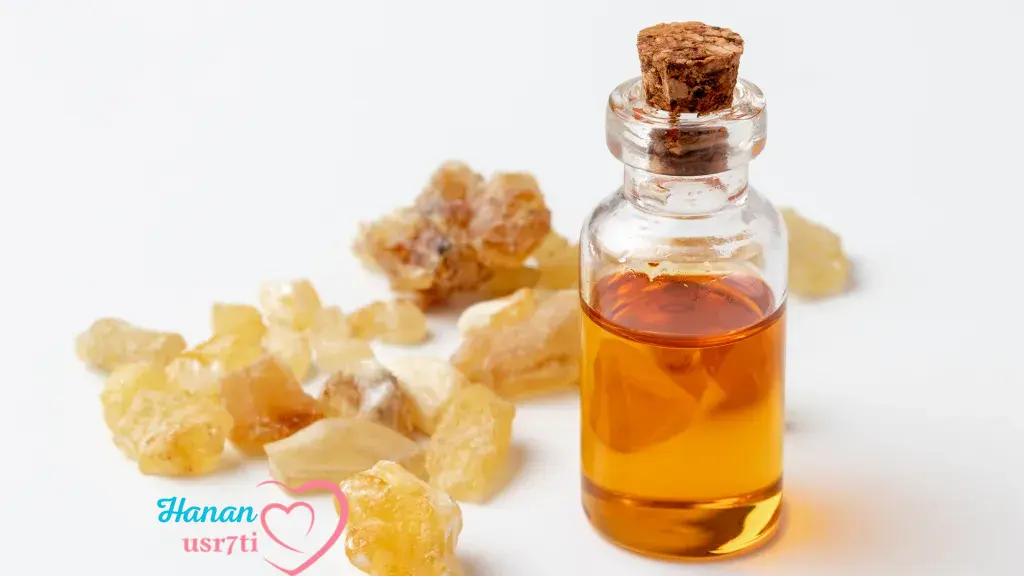
Let’s be real — the skincare industry loves a trend. One week it’s snail mucin, the next it’s some exotic berry extract from a rainforest nobody’s heard of. But every now and then, something ancient forces its way back into the conversation — and for very good reason. Frankincense oil is one of those things.
Used for thousands of years in Ayurvedic medicine, traditional Chinese healing, and ancient Egyptian beauty rituals, frankincense essential oil has earned its legendary status. And now modern science is finally catching up, confirming what healers knew long ago: this resin-derived oil is genuinely powerful for your skin.
So what exactly are the frankincense oil benefits on skin? Let’s dig deep — past the vague marketing claims and into the real, research-backed benefits that make this oil worth adding to your routine.
What Is Frankincense Oil and Where Does It Come From?
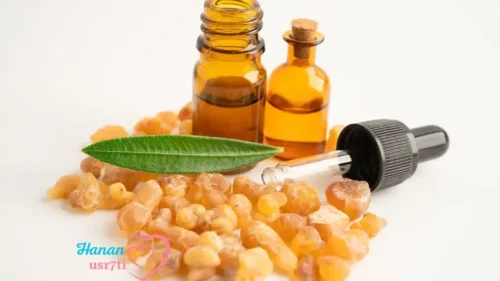
Before we talk about what it does, let’s talk about what it actually is. Frankincense oil isn’t some synthetic lab creation — it’s an essential oil steam-distilled from the resin of the Boswellia tree. These trees grow in arid, rocky regions across the Arabian Peninsula, Somalia, Ethiopia, and India.
The Boswellia Tree — Nature’s Pharmacy
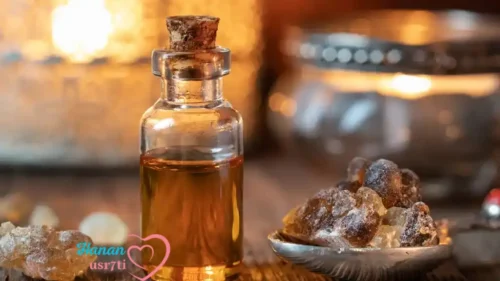
Harvesters make small cuts into the bark of the Boswellia tree, and the tree responds by oozing a milky-white resin — a natural defense mechanism. This resin hardens into “tears” or chunks, which are then collected and either burned as incense or steam-distilled into essential oil.
Different species of Boswellia yield oils with slightly different chemical compositions. The most commonly used for skincare are Boswellia sacra (from Oman and Yemen), Boswellia carterii (from Somalia), and Boswellia serrata (from India). Each carries a distinct aroma profile — from earthy and woody to citrusy and slightly spicy.
Types of Frankincense Oil and Their Differences
| Species | Origin | Best Known For |
|---|---|---|
| Boswellia sacra | Oman, Yemen | Premium quality, anti-aging |
| Boswellia carterii | Somalia | Skin regeneration, widely available |
| Boswellia serrata | India | Anti-inflammatory, well-researched |
| Boswellia frereana | Somalia | Wound healing, rare |
For skin use, Boswellia carterii and Boswellia serrata are the most studied and most accessible. When buying, look for the Latin species name on the label — that’s how you know you’re getting the real deal.
The Science Behind Frankincense Oil for Skin
Here’s where it gets interesting. A lot of essential oils get hyped without much scientific backing. Frankincense, however, has been the subject of genuine peer-reviewed research — and the findings are actually impressive.
Key Active Compounds That Make It Work
Frankincense essential oil contains a complex cocktail of bioactive compounds, including:
- Alpha-pinene and beta-pinene — terpenes with antimicrobial and anti-inflammatory effects.
- Limonene — a naturally occurring compound associated with skin penetration and antioxidant activity.
- Octyl acetate and incensole acetate — unique to frankincense, linked to neuroprotective and anti-inflammatory actions.
- Linalool — calming and soothing, commonly found in lavender too.
Boswellic Acids and Their Anti-Inflammatory Role
One of the most researched components of frankincense resin (not the essential oil directly, but closely related products) is boswellic acids. These acids inhibit a key enzyme called 5-lipoxygenase (5-LOX), which drives inflammatory pathways in the body. This is particularly relevant for inflammatory skin conditions like acne, eczema, and psoriasis.
While boswellic acids are more concentrated in the resin extract than the steam-distilled oil, the essential oil still contains terpenic compounds that contribute to its documented anti-inflammatory activity.
Top Frankincense Oil Benefits on Skin
Now, the part you came here for. Let’s walk through each major benefit — with context, nuance, and some actionable takeaways along the way.
1. Powerful Anti-Aging Properties
This is probably the most celebrated benefit, and it’s earned. Frankincense oil has been shown to stimulate the regeneration of healthy skin cells and support the synthesis of collagen — the structural protein that keeps skin firm, plump, and youthful.
As we age, collagen production naturally slows down. Sun exposure, stress, and pollution speed up that decline. Frankincense oil works on multiple fronts: its antioxidant compounds neutralize free radicals (those unstable molecules that accelerate skin aging), while its cell-regenerating properties actively encourage new tissue growth.
A 2017 study published in the Journal of Traditional and Complementary Medicine found that Boswellia-based compounds demonstrated significant potential in reducing signs of photoaging, including fine lines and loss of skin elasticity.
Key Takeaway: If you’re looking to reduce wrinkles, tighten sagging skin, or restore a youthful glow, frankincense oil deserves a spot in your routine.
2. Reduces Inflammation and Redness
Think about the last time your skin flared up — whether from a breakout, a reaction to a new product, or just general sensitivity. Inflammation is at the root of almost every skin problem, from acne to rosacea to perioral dermatitis.
Frankincense oil’s terpenic compounds — particularly alpha-pinene — have demonstrated measurable anti-inflammatory activity in studies. Applied topically in a diluted form, it can help calm redness, reduce swelling around blemishes, and soothe reactive skin.
If you’ve got sensitive skin that seems to react to everything, adding a properly diluted frankincense oil to your routine might actually be one of the gentler, more targeted solutions available to you.
3. Fades Scars and Stretch Marks
This is one of the most searched benefits — and there’s legitimate reason for hope here. Frankincense oil promotes cellular turnover and supports the regeneration of new, healthy skin cells. Over time, this can help fade both old acne scars and stretch marks caused by pregnancy or rapid weight changes.
It won’t erase deep pitted scars overnight — let’s be honest, nothing topical will. But consistent use over weeks and months can noticeably reduce the appearance of hyperpigmented post-acne marks and soften the look of stretch marks, especially newer ones.
The best approach? Mix it with a carrier oil rich in vitamin E (like rosehip or argan oil) and apply it consistently to the affected areas.
4. Evens Out Skin Tone and Hyperpigmentation
Sun spots, melasma patches, post-inflammatory hyperpigmentation (PIH) — uneven skin tone is one of the most common skin concerns across all ages and skin types. Frankincense oil may help here by gently supporting the skin’s natural renewal process and inhibiting excess melanin production.
It’s not as potent as a dedicated vitamin C serum or a niacinamide formula, but it works synergistically with those ingredients rather than against them. Many people find that incorporating frankincense into a brightening routine boosts overall results.
5. Natural Astringent for Pores and Oil Control
Got large pores and oily skin? Frankincense oil acts as a natural astringent — it gently tightens skin tissue and helps reduce the appearance of enlarged pores. It also has mild sebum-regulating properties, making it useful for combination and oily skin types.
Unlike harsh synthetic astringents that strip the skin’s natural moisture barrier, frankincense works more gently — toning without drying out. Think of it like a whisper rather than a shout.
6. Supports Wound Healing
This goes back to its ancient medicinal roots. Frankincense has long been used on minor cuts, abrasions, and infected wounds. Modern research confirms its antimicrobial properties — it inhibits certain strains of bacteria that can complicate wound healing.
Applied carefully (always diluted!) to minor wounds or post-procedure skin, it can accelerate the healing process while reducing the risk of infection and the likelihood of prominent scarring.
7. Soothes Eczema and Dry Skin Conditions
Eczema, psoriasis, and severe dry skin involve chronic inflammation and a compromised skin barrier. Frankincense oil’s anti-inflammatory and cell-regenerating properties make it a natural candidate for complementary use in managing these conditions.
A small but notable study found that a Boswellia-based cream applied to eczema-affected skin led to significant improvements in redness, scaling, and itching compared to a placebo. While more large-scale research is needed, the anecdotal evidence from sufferers is compelling, and the risk profile is low when used properly.
How to Use Frankincense Oil on Your Skin Safely
Let’s talk application — because this is where a lot of people get it wrong.
Dilution Guidelines You Must Follow
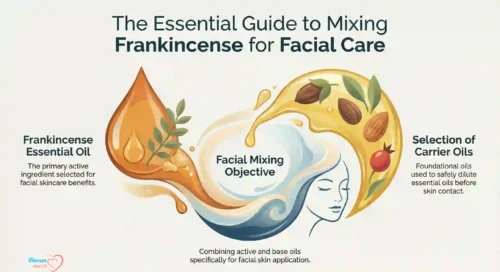
Frankincense essential oil is potent. Using it undiluted directly on skin — especially sensitive or compromised skin — is a bad idea. Here’s a simple guide:
| Use Case | Dilution Ratio | Example |
|---|---|---|
| Face (sensitive skin) | 0.5–1% | 1–2 drops per 1 tsp carrier oil |
| Face (normal/oily skin) | 1–2% | 2–4 drops per 1 tsp carrier oil |
| Body (scars, stretch marks) | 2–3% | 4–6 drops per 1 tsp carrier oil |
| Spot treatment (blemishes) | Up to 2% | 1 drop per ½ tsp carrier oil |
Best carrier oils to pair with frankincense:
- Rosehip oil — for anti-aging and scar fading.
- Jojoba oil — for oily/combination skin (mimics skin’s natural sebum).
- Argan oil — for mature or dry skin.
- Marula oil — for sensitive or reactive skin.
DIY Frankincense Skincare Recipes
Anti-Aging Face Serum Recipe
- 1 tablespoon rosehip oil.
- 1 tablespoon marula oil.
- 4 drops frankincense essential oil (Boswellia carterii).
- 2 drops lavender essential oil.
Mix in a dark glass dropper bottle. Apply 3–4 drops to a clean face at night, massaging gently upward. Use consistently for 8–12 weeks for visible results.
Scar-Fading Body Oil Blend
- 2 tablespoons argan oil.
- 1 tablespoon vitamin E oil (or break open 2 capsules).
- 6 drops frankincense essential oil.
- 4 drops helichrysum essential oil (optional but powerful).
Apply twice daily to scar tissue or stretch marks using circular massage motions to stimulate circulation and absorption.
Frankincense Oil vs. Other Popular Skin Oils
How does frankincense stack up against the competition?
| Oil | Best For | Skin Type | Anti-Aging? | Anti-Inflammatory? |
|---|---|---|---|---|
| Frankincense | Overall skin renewal, aging, scars | All types | ✅ Strong | ✅ Strong |
| Rosehip | Brightening, vitamin A source | Dry, mature | ✅ Strong | ✅ Moderate |
| Tea Tree | Acne, antimicrobial | Oily, acne-prone | ❌ Minimal | ✅ Moderate |
| Lavender | Soothing, balancing | Sensitive | ❌ Minimal | ✅ Moderate |
| Marula | Hydration, barrier support | Dry, sensitive | ✅ Moderate | ✅ Moderate |
As you can see, frankincense is genuinely one of the more versatile options across multiple skin concerns — which is why it tends to play well with so many other oils.
Who Should Avoid Frankincense Oil?
Frankincense oil is well-tolerated by most people, but it’s not for everyone. Avoid or use with extra caution if:
- You are pregnant — essential oils during pregnancy should always be cleared with a healthcare provider first.
- You have a known allergy to Boswellia species or related plants.
- You are on blood thinners — frankincense may have mild anticoagulant effects.
- You have extremely reactive skin — always patch test first (apply a small diluted amount to your inner arm and wait 24 hours).
When in doubt, consult a dermatologist. There’s no shame in getting professional input before starting any new topical treatment, natural or not.
How to Choose a High-Quality Frankincense Oil
The essential oil market is notoriously unregulated, which means quality varies wildly. Here’s what to look for:
- Latin species name on the label (e.g., Boswellia sacra or Boswellia carterii).
- 100% pure, undiluted — no fillers or synthetic additives.
- Dark glass bottle — protects from UV degradation.
- GC/MS tested — reputable brands publish third-party gas chromatography/mass spectrometry test results confirming purity.
- Country of origin listed — transparency is a good sign.
- Avoid “fragrance oil” versions — these are synthetic and do not carry the same therapeutic properties.
Reputable brands often recognized for quality include doTERRA, Young Living, Plant Therapy, and Rocky Mountain Oils — though there are many other trustworthy suppliers if you do your due diligence.
Conclusion
Frankincense oil isn’t a miracle cure — nothing is. But as far as natural, research-backed skincare ingredients go, it’s one of the most genuinely impressive options available. From fighting the signs of aging and fading stubborn scars to calming inflammation and balancing oily skin, the benefits of frankincense oil on skin are wide-ranging and well-supported by both centuries of traditional use and a growing body of modern science.
The key is using it correctly: properly diluted, consistently applied, and paired with complementary carrier oils and ingredients. Think of it as a long-game investment in your skin — not an overnight fix, but a deeply nourishing, time-tested ally.
If you haven’t tried frankincense oil yet, there’s a good chance it’s one of the pieces your skincare routine has been missing.
Unique FAQs
1. Can I apply frankincense oil directly on my face without diluting it?
No — applying any essential oil neat (undiluted) to your face risks irritation, sensitization, and even chemical burns. Always dilute frankincense in a carrier oil before applying to facial skin, using a 1–2% dilution ratio.
2. How long does it take to see results from frankincense oil on skin?
Most people begin noticing subtle improvements in skin texture and tone within 4–6 weeks of consistent use. For more significant changes — like scar fading or wrinkle reduction — expect 8–12 weeks of daily application before making a judgment call.
3. Can frankincense oil help with hormonal acne?
While frankincense doesn’t directly target hormonal acne at the source, its anti-inflammatory and antimicrobial properties can reduce the severity and redness of breakouts. It works best as a complementary treatment alongside a balanced skincare routine, not as a standalone solution for hormonal skin issues.
4. Is frankincense oil safe to use around the eye area?
Use with extreme caution near the eyes. Dilute to the lowest concentration (0.5%), apply only to the orbital bone area and never on the eyelid or directly under the eye, and avoid getting it into your eyes. When in doubt, skip this area — there are gentler options specifically formulated for periorbital skin.
5. Can I use frankincense oil with retinol or vitamin C?
Yes, generally. Frankincense oil can complement both retinol and vitamin C in a layered skincare routine. A common approach is to apply vitamin C in the morning and frankincense-infused oil alongside retinol at night. However, if you’re new to either ingredient, introduce them one at a time to identify any reactions.
References:
- Han, X., et al. (2017). Biological Activities of Frankincense Essential Oil in Human Dermal Fibroblasts. Boswellia Research Series. https://www.ncbi.nlm.nih.gov/pmc/articles/PMC5801908/
- Siddiqui, M.Z. (2011). Boswellia Serrata, A Potential Antiinflammatory Agent. Indian Journal of Pharmaceutical Sciences. https://www.ncbi.nlm.nih.gov/pmc/articles/PMC3309643/
- Frank, M.B., et al. (2009). Frankincense and myrrh suppress lipopolysaccharide-induced production of inflammatory mediators. Journal of Ethnopharmacology. https://pubmed.ncbi.nlm.nih.gov/19501271/
