

- Advertisement -
Emotional Coldness | Complete Guide to Causes, Signs, and Recovery [2025]
Understanding Emotional Coldness | Symptoms, Causes, and Treatment Options


- Advertisement -
Emotional Coldness
Have you ever felt emotionally numb, struggling to connect with your own feelings or the emotions of people around you? Emotional coldness, also known as emotional detachment or emotional unavailability, affects millions of people worldwide and can significantly damage relationships, mental health, and overall quality of life.
Understanding emotional coldness is the crucial first step toward healing. This comprehensive, evidence-based guide explores everything you need to know about emotional coldness—from recognizing the subtle signs and understanding the underlying psychological causes to discovering proven treatment approaches and practical recovery strategies.
Whether you’re experiencing emotional numbness yourself, supporting a loved one with emotional detachment, or simply seeking to understand this complex psychological phenomenon, you’ll find actionable insights, expert-backed information, and compassionate guidance throughout this article.
In this complete guide to emotional coldness, you’ll discover:
What emotional coldness really is and how it differs from introversion or healthy boundaries
The psychological and neurobiological factors that contribute to emotional detachment
How emotional coldness impacts romantic relationships, family dynamics, and friendships
The long-term physical and mental health consequences of untreated emotional numbness
Evidence-based treatment options including therapy approaches and medication
Practical strategies for building emotional warmth and reconnecting with your feelings
How to support someone struggling with emotional coldness
By the end of this guide, you’ll have a thorough understanding of emotional coldness and clear pathways toward emotional healing, connection, and a more fulfilling life.
What Exactly Is Emotional Coldness?
Emotional coldness, also referred to as emotional detachment, emotional numbness, or emotional unavailability, is a psychological condition characterized by a diminished capacity to feel, express, or respond to emotions appropriately. People experiencing this state often appear indifferent, distant, or unresponsive in situations that would typically evoke emotional reactions.
Think of emotional coldness as a thermostat stuck on a low setting. Just as a malfunctioning thermostat fails to register temperature changes and adjust accordingly, emotionally cold individuals struggle to detect emotional cues and respond with appropriate warmth. This isn’t a conscious choice but rather an automatic protective response that develops over time.
It’s crucial to distinguish emotional coldness from introversion or simply being reserved. Introverts may need time alone to recharge their energy, but they still experience the full spectrum of emotions and can form deep, meaningful connections. Emotional coldness, conversely, involves a fundamental disconnect from emotional experiences themselves, regardless of social preferences or personality type.
![Emotional Coldness | Complete Guide to Causes, Signs, and Recovery]() Recognizing the Signs of Emotional Coldness
Recognizing the Signs of Emotional Coldness
 Recognizing the Signs of Emotional Coldness
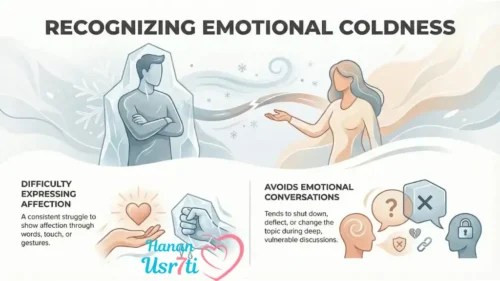
Identifying emotional coldness requires understanding its various manifestations. People experiencing this condition may display several characteristic behaviors that signal their emotional disconnect:
- Difficulty expressing affection, Struggling to say loving words, give compliments, or show physical affection even to close family members or romantic partners.
- Limited emotional vocabulary, Finding it hard to identify or name feelings beyond basic states like fine, okay, or stressed.
- Avoidance of emotional conversations, Changing the subject, making jokes, or physically leaving when discussions become emotionally charged.
- Minimal facial expressions, Maintaining a relatively neutral face even during events that would typically trigger visible emotional responses.
- Discomfort with others’ emotions, Feeling awkward, irritated, or overwhelmed when people nearby display strong feelings.
- Preference for logic over feelings, Intellectualizing situations and focusing exclusively on facts and solutions rather than acknowledging emotional dimensions.
- Difficulty maintaining close relationships, Keeping people at arm’s length and struggling to develop intimacy even in long-term connections.
- Emotional flatness, Experiencing life as colorless or muted, with few emotional highs or lows.
- Physical disconnection, Feeling detached from bodily sensations that typically accompany emotions.
- Automatic responses, Reacting to situations in rehearsed or scripted ways rather than with genuine spontaneous emotion.
These behaviors often develop gradually, making them difficult to recognize initially. What might start as occasional emotional withdrawal can evolve into a persistent pattern that defines how someone interacts with the world and the people in it.
The Psychology Behind Emotional Coldness
Attachment Theory and Early Childhood Experiences
The roots of emotional coldness frequently trace back to our earliest relationships. Attachment theory, pioneered by psychologist John Bowlby, explains how the bonds we form with caregivers in infancy shape our emotional patterns throughout life.
Children who experience inconsistent caregiving, emotional neglect, or lack of affection may develop what researchers call an avoidant attachment style. These children learn that expressing emotions doesn’t lead to comfort or connection, so they adapt by shutting down their emotional needs. As adults, they carry this learned response into all their relationships, creating patterns of emotional coldness that feel normal to them but confusing to others.
Imagine a child reaching out for comfort repeatedly only to be ignored, dismissed, or rejected. Eventually, that child stops reaching out altogether. The emotional coldness isn’t about not caring or not needing connection; it’s about not expecting warmth in return and protecting oneself from repeated disappointment. This protective adaptation, while helpful in a difficult childhood environment, becomes problematic in adult relationships where emotional reciprocity and vulnerability are expected and necessary for intimacy.
Defense Mechanisms and Psychological Self-Protection
Emotional coldness frequently functions as a psychological defense mechanism. When someone has experienced significant emotional pain, betrayal, rejection, or trauma, their mind may unconsciously decide that feeling less is safer than feeling deeply. This defense operates below conscious awareness, making it difficult to simply decide to stop being emotionally cold.
This defense mechanism works like emotional anesthesia. Just as physical anesthesia blocks pain signals to protect a patient during surgery, emotional coldness blocks emotional signals to protect someone from psychological pain. The problem is that this anesthesia doesn’t distinguish between painful emotions and pleasurable ones—it numbs everything, creating a life that feels safe but empty.
Common defense mechanisms associated with emotional coldness include :
- intellectualization, where people focus exclusively on logical analysis to avoid feeling;
- rationalization, where they create logical explanations to dismiss emotional experiences.
- dissociation, where they mentally disconnect from situations that might trigger emotional responses.
- suppression, where they consciously push away unwanted feelings until this becomes an automatic habit.
![Emotional Coldness | Complete Guide to Causes, Signs]() Neurobiological Factors and Brain Function
Neurobiological Factors and Brain Function
 Neurobiological Factors and Brain Function
Recent neuroscience research has revealed that emotional coldness isn’t purely psychological—there are actual neurobiological components involved. The brain regions responsible for emotional processing, particularly the amygdala, prefrontal cortex, anterior cingulate cortex, and insula, may function differently in people who experience emotional detachment.
Chronic stress, trauma, and certain mental health conditions can alter how these brain regions communicate with each other. When the emotional processing system becomes dysregulated, people may experience blunted emotional responses, difficulty recognizing emotions in themselves and others, reduced empathy capacity, and impaired emotional memory formation.
Additionally, neurotransmitters like serotonin, dopamine, oxytocin, and endorphins play crucial roles in emotional regulation and social bonding. Imbalances in these chemical messengers can contribute to emotional coldness, which partly explains why some people find medication helpful in addressing this issue alongside therapy.
Common Causes of Emotional Coldness
Traumatic Experiences and Their Lasting Impact
Trauma is one of the most significant contributors to emotional coldness. When someone experiences a traumatic event—whether it’s physical or sexual abuse, witnessing violence, the sudden loss of a loved one, a life-threatening situation, or prolonged exposure to danger—their emotional system can essentially shut down as a survival mechanism.
Post-traumatic stress doesn’t always manifest as flashbacks, nightmares, or hypervigilance. Sometimes, it appears as emotional numbing, where survivors feel disconnected from their feelings to protect themselves from overwhelming pain. This numbing can persist long after the traumatic event has passed, becoming a habitual way of relating to all emotional experiences, not just trauma-related ones.
Complex trauma, which involves repeated or prolonged traumatic experiences especially during childhood, is particularly likely to result in emotional coldness. Children who grow up in abusive, neglectful, or chaotic environments often develop emotional detachment as their primary coping strategy. This pattern becomes deeply ingrained and can continue into adulthood even when they’re no longer in danger, affecting all their relationships and emotional experiences.
Chronic Stress, Burnout, and Emotional Exhaustion
You don’t need to experience a single dramatic trauma to develop emotional coldness. Chronic stress and burnout can gradually erode emotional capacity over time, creating what researchers call compassion fatigue or emotional exhaustion.
When people face prolonged periods of overwhelming demands—whether at work, in caregiving roles, dealing with financial stress, managing chronic illness, or navigating ongoing life challenges—they may experience a depletion of emotional resources that leaves them feeling hollow and disconnected.
This exhaustion isn’t just about feeling tired. It’s a fundamental depletion of the psychological and physiological resources needed for emotional engagement. Healthcare workers, first responders, teachers, social workers, and family caregivers are particularly vulnerable to this form of emotional coldness.
The constant activation of stress responses floods the body with cortisol and other stress hormones, which can impair the brain’s emotional processing systems. Over time, the brain essentially learns to dampen emotional responses as a way to conserve energy and maintain basic functioning under difficult circumstances. This adaptive response becomes maladaptive when it persists even after the stressful period has ended.
Mental Health Conditions and Emotional Coldness
Various mental health conditions are closely associated with emotional coldness, either as a symptom or a contributing factor. Understanding these connections is crucial for appropriate treatment and recovery.
- Depression and emotional coldness often go hand in hand. One of the hallmark symptoms of depression is anhedonia—the inability to feel pleasure or interest in activities that were once enjoyable. People with depression may feel emotionally flat, unable to experience joy, sadness, excitement, love, or meaningful connection. This emotional numbness can persist even as other depressive symptoms improve, requiring targeted treatment approaches.
- Anxiety disorders can also contribute to emotional coldness, though through different mechanisms. When someone is constantly anxious, their emotional system becomes overwhelmed and may partially shut down to cope with continuous stress. Additionally, people with anxiety sometimes avoid emotional situations and relationships to prevent triggering their anxiety, leading to progressive emotional isolation and detachment.
- Post-Traumatic Stress Disorder, or PTSD, frequently includes emotional numbing as a core symptom. People with PTSD may feel detached from themselves and others, unable to experience positive emotions, and disconnected from their own lives even when physically safe.
- Certain personality disorders are particularly associated with emotional coldness. Schizoid personality disorder involves limited capacity for emotional expression and little interest in close relationships. Avoidant personality disorder can manifest as emotional coldness, though the underlying cause differs—these individuals desperately want connection but fear rejection so intensely that they maintain emotional distance as protection.
- Additionally, alexithymia—a condition characterized by difficulty identifying, describing, and processing emotions—often co-occurs with various mental health conditions and contributes significantly to the experience of emotional coldness.
Cultural and Gender Influences on Emotional Expression
Cultural norms and gender expectations significantly shape how people relate to their emotions. These social factors can either contribute to emotional coldness or make it more difficult to recognize and address.
Traditional masculine gender norms, in particular, often discourage emotional expression in boys and men, teaching them that showing vulnerability is weakness. Phrases like “man up,” “boys don’t cry,” and “be tough” communicate that emotions should be suppressed. This socialization can contribute to genuine emotional coldness, particularly in men, as years of suppression can lead to difficulty accessing emotions even when someone wants to.
Women face different but equally problematic expectations. While women are generally given more permission to express emotions, they’re often dismissed as being too emotional, overly sensitive, or irrational when they do. This can lead some women to suppress emotions as a strategy to be taken seriously professionally or personally, eventually developing patterns of emotional coldness.
Different cultures have varying norms regarding emotional expression. Some cultures value emotional restraint and view overt emotional expression as inappropriate, immature, or socially disruptive. Others encourage open emotional communication and view emotional restraint as cold, dishonest, or distant. Understanding these cultural contexts is important because what appears as emotional coldness in one cultural framework might be considered appropriate emotional regulation in another.
![Emotional Coldness | Complete Guide]() How Emotional Coldness Affects Relationships
How Emotional Coldness Affects Relationships
 How Emotional Coldness Affects Relationships
Impact on Romantic Partnerships
Romantic relationships require emotional vulnerability, reciprocity, and intimacy to thrive. When one or both partners experience emotional coldness, these fundamental relationship needs go unmet, creating significant strain and often leading to relationship breakdown.
Partners of emotionally cold individuals often describe feeling lonely even when physically together, confused by mixed signals and inconsistent behavior, frustrated by the lack of emotional responsiveness, uncertain about where they stand in the relationship, and emotionally exhausted from doing all the relationship’s emotional work.
Common relationship problems that arise include difficulty resolving conflicts productively, since emotional coldness prevents the emotional processing necessary for genuine conflict resolution; reduced physical intimacy, as emotional connection usually precedes and enhances physical connection; imbalanced emotional labor, where one partner manages all the relationship’s emotional needs; communication breakdowns, with surface-level conversations that never address deeper issues; and growing resentment on both sides—the warm partner feels rejected and exhausted, while the cold partner feels pressured and criticized.
Over time, the warmth-seeking partner may adapt by suppressing their own emotional needs, creating deep resentment and potential mental health problems; become increasingly demanding or critical, creating a pursue-withdraw dynamic that reinforces emotional coldness; or eventually leave the relationship feeling emotionally starved, unfulfilled, and perhaps doubting their own worth or sanity.
Effects on Family Dynamics
Emotional coldness within families creates particularly complex and long-lasting challenges. Children who grow up with emotionally cold parents often develop their own emotional difficulties, perpetuating intergenerational patterns of emotional detachment that can span multiple generations.
These children may struggle with self-esteem, believing that their emotions are unimportant, burdensome, or fundamentally wrong, have difficulty forming secure attachments in their own future relationships; develop emotional coldness themselves as a learned behavior; experience anxiety, depression, or other mental health challenges; and lack emotional regulation skills that are typically learned through parental modeling.
For adult children dealing with emotionally cold parents, the relationship often feels one-sided, unsatisfying, and painful. They may continue seeking the emotional connection they’ve always wanted, experiencing repeated disappointment and grief, eventually distance themselves to protect their own emotional wellbeing; struggle with guilt about their complicated feelings toward their parents; or have difficulty recognizing healthy emotional expression in other relationships.
Sibling relationships can also suffer when emotional coldness is present in the family system. Siblings may struggle to support each other emotionally, develop dysfunctional patterns where one sibling becomes overly emotional to compensate for another’s detachment, compete for limited parental emotional attention, or become estranged as adults due to inability to connect meaningfully.
Consequences in Friendships and Social Connections
Friendships require mutual emotional investment, vulnerability, and support to develop beyond superficial acquaintance. Emotionally cold individuals often struggle to develop close friendships, tending instead toward activity-based or superficial relationships that don’t require emotional depth or vulnerability.
- Friends may feel that the emotionally cold person is unavailable during difficult times, never shares anything meaningful about their inner life, seems uninterested in the friend’s emotional experiences, maintains constant emotional distance despite years of friendship, and treats the friendship as low priority compared to other commitments.
- Over time, emotionally cold individuals may find their social circles shrinking as people drift away, seeking more emotionally satisfying connections elsewhere. This creates a vicious cycle where social isolation reinforces emotional coldness, which further limits social opportunities and skills, leading to even deeper isolation and potential mental health deterioration.
The tragedy is that many emotionally cold people genuinely want friendship and connection but cannot achieve it because of their emotional barriers. They may feel confused about why relationships don’t develop or last, unaware that their emotional unavailability is the core issue.
The Long-Term Consequences of Emotional Coldness
Physical Health Implications
The mind and body are intimately connected, and chronic emotional coldness can take a significant toll on physical health. Research consistently demonstrates that people who suppress or disconnect from emotions experience higher rates of various health problems.
- Cardiovascular issues are particularly concerning. Multiple studies have found that emotional suppression is associated with increased risk of hypertension, coronary heart disease, stroke, and cardiovascular mortality. The constant internal effort required to keep emotions at bay creates physiological stress that impacts heart health over time, even when people feel subjectively calm.
- Immune system function can also be compromised. Chronic emotional disconnection and the stress it creates can weaken immune responses, making people more susceptible to infections, experiencing slower wound healing, showing reduced vaccine effectiveness, and potentially facing increased cancer risk.
- Other physical health consequences may include chronic pain conditions like fibromyalgia, gastrointestinal disorders including irritable bowel syndrome, sleep disturbances and insomnia, hormonal imbalances, accelerated biological aging, and higher rates of inflammation throughout the body.
The body keeps score, even when the mind tries to disconnect from emotional experiences. Physical symptoms often serve as the body’s way of communicating emotional distress that isn’t being acknowledged or processed consciously.
![Emotional Coldness | Complete Guide to Causes]() Mental Health Deterioration
Mental Health Deterioration
 Mental Health Deterioration
While emotional coldness sometimes develops as a response to mental health challenges, it can also cause or significantly worsen psychological difficulties over time. The inability to process emotions healthily creates a backlog of unaddressed psychological material that eventually demands attention, often through increasingly severe symptoms.
- Depression risk increases significantly when people cannot access their emotional lives. The numbness and disconnection characteristic of emotional coldness overlap substantially with depressive symptoms, and each reinforces the other in a destructive cycle that becomes progressively harder to break.
- Anxiety can intensify as well. Suppressed emotions don’t simply disappear—they often manifest as generalized anxiety, panic attacks, obsessive thoughts, or compulsive behaviors. The emotional energy that isn’t expressed directly finds other, often more problematic, outlets that can interfere significantly with daily functioning.
- Substance abuse represents another significant risk. People experiencing emotional coldness may turn to alcohol, drugs, food, gambling, or other substances and behaviors to either feel something or to further numb already muted emotions. This can quickly develop into addiction, compounding the original problem and creating additional health, relationship, and life consequences.
- Other mental health risks include increased suicidal ideation, development of eating disorders, self-harm behaviors, dissociative disorders, and personality disorders. The longer emotional coldness persists without treatment, the greater the risk of developing additional psychological complications.
Social Isolation and Profound Loneliness
Perhaps the most painful long-term consequence of emotional coldness is the profound loneliness it creates. Humans are fundamentally social creatures who need meaningful emotional connections to thrive psychologically and physically. Emotional coldness makes those connections nearly impossible to develop or maintain, leading to progressive social isolation.
This isn’t just uncomfortable—it’s genuinely dangerous to health and wellbeing. Research has shown that chronic loneliness is as harmful to health as smoking fifteen cigarettes daily, more harmful than obesity, and more damaging than air pollution. Socially isolated people have higher mortality rates across all causes, increased inflammation and stress hormone levels, weakened immune function, accelerated cognitive decline, and dramatically increased risk of dementia.
The tragedy is that emotionally cold individuals often desperately want connection but cannot achieve it because of their emotional barriers. They may be surrounded by people yet feel completely alone because authentic emotional intimacy remains out of reach. This creates profound existential suffering and a sense of being fundamentally different or broken.
Over time, this isolation can create a feedback loop where lack of social connection reinforces emotional coldness, which further limits social opportunities and skills, leading to even deeper isolation and loneliness. Breaking this cycle requires deliberate intervention, support, and often professional help.
Treatment and Recovery Pathways
Psychotherapy Approaches
Psychotherapy represents the most effective treatment for emotional coldness. Various therapeutic approaches can help people reconnect with their emotions and develop healthier patterns of emotional expression and connection. The key is finding the right therapeutic approach and a skilled therapist who understands emotional detachment.
Psychodynamic therapy explores how early experiences and unconscious patterns contribute to current emotional difficulties. This approach helps people understand the origins of their emotional coldness, work through unresolved conflicts that maintain the pattern, develop insight into defense mechanisms, and gradually build capacity for emotional experiencing. This approach typically requires longer-term commitment but can create deep, lasting change.
Emotion-Focused Therapy, or EFT, specifically targets emotional awareness and expression. This approach helps clients identify emotions as they arise in the body, understand what emotions are communicating, express emotions more fully and appropriately, and gradually build emotional tolerance and capacity. EFT is particularly effective for people whose emotional coldness stems from emotional avoidance or suppression.
Cognitive Behavioral Therapy, or CBT, operates on the principle that thoughts, feelings, and behaviors are interconnected. In treating emotional coldness, CBT helps identify thoughts and beliefs that maintain emotional disconnection, challenge and modify these beliefs, develop behavioral strategies for emotional engagement, and practice new patterns of emotional awareness and expression. CBT’s structured, skills-based nature appeals to many people experiencing emotional coldness.
Dialectical Behavior Therapy, or DBT, was originally developed for borderline personality disorder but has proven effective for various emotional regulation difficulties. DBT teaches mindfulness skills for emotional awareness, distress tolerance for managing difficult emotions, emotional regulation strategies, and interpersonal effectiveness for healthier relationships. This approach is particularly helpful when emotional coldness involves emotional dysregulation or difficulty managing intense feelings.
Trauma-Focused Therapies
When emotional coldness stems from trauma, specialized trauma therapies can be particularly effective in addressing the root cause and restoring emotional capacity.
- Eye Movement Desensitization and Reprocessing, or EMDR, helps process traumatic memories that haven’t been fully integrated, reducing their emotional impact and allowing for healthier emotional functioning. EMDR doesn’t require extensive talking about traumatic events, which can be particularly helpful for people who struggle with emotional expression.
- Trauma-Focused Cognitive Behavioral Therapy combines cognitive behavioral techniques with trauma-specific interventions. This approach helps process traumatic experiences, reduce trauma symptoms, develop coping skills, and restore normal emotional functioning. It’s particularly effective for children and adolescents but also helps adults.
- Somatic Experiencing recognizes that trauma affects both mind and body, working to release trauma held in the nervous system and body. This approach uses body awareness to gradually process trauma, restore the body’s natural resilience, and reconnect mind and body. It’s particularly effective when emotional coldness involves physical disconnection or numbness.
- Internal Family Systems therapy views the psyche as composed of different parts, some of which may have frozen emotionally to protect the system from overwhelming experiences. IFS helps people develop compassionate relationships with all their parts, heal wounded parts that maintain emotional coldness, and restore internal emotional balance and integration.
Medication Considerations
While medication alone won’t resolve emotional coldness, it can be a helpful component of treatment for some people, particularly when underlying mental health conditions contribute to emotional detachment. Medication decisions should always be made in consultation with a psychiatrist or other qualified prescriber who understands your complete clinical picture.
- Antidepressants, particularly selective serotonin reuptake inhibitors like fluoxetine, sertraline, and escitalopram, can help regulate mood and may improve emotional responsiveness in people with depression-related emotional numbness. However, it’s important to note that some antidepressants can actually cause emotional blunting as a side effect, so careful monitoring and possible medication adjustments are essential.
- Anti-anxiety medications may help people whose emotional coldness stems from overwhelming anxiety. By reducing anxiety to manageable levels, these medications can make it easier to engage with emotions and relationships. However, benzodiazepines carry risks of dependence and should typically be used short-term or as needed rather than as long-term solutions.
- Mood stabilizers may be appropriate when emotional coldness is associated with bipolar disorder or other mood instability. These medications can help regulate emotional extremes and create more consistent emotional capacity.
It’s crucial to understand that medication works best when combined with therapy rather than used as a standalone treatment. Medication can create the neurological foundation for change, but therapy provides the skills, insights, and new patterns needed for lasting improvement.
Self-Help Strategies and Daily Practices
While professional help is often necessary for addressing deep-seated emotional coldness, there are also self-help strategies that can support recovery and emotional reconnection. These practices work best when used consistently over time rather than sporadically.
- Journaling provides a private, low-pressure way to explore emotions. Even if you struggle to identify feelings initially, the practice of writing regularly can gradually improve emotional awareness. Prompts like “What am I feeling right now in my body?” or “What happened today that affected me?” or “If I could feel something about this situation, what might it be?” can be helpful starting points.
- Mindfulness meditation helps develop present-moment awareness of thoughts, feelings, and bodily sensations without judgment. Start with just five minutes daily, gradually increasing as the practice becomes comfortable. Apps like Headspace, Calm, or Insight Timer can provide guidance for beginners.
- Body-based practices like yoga, tai chi, qigong, or simply spending time in nature can help reconnect you with physical sensations, which often serve as gateways to emotional awareness. Many people find that physical movement helps release pent-up emotions that have been held in the body.
- Creative expression through art, music, dance, writing, or other mediums can access emotions that are difficult to reach through words or rational thought alone. You don’t need artistic talent—the process matters far more than the product. Allow yourself to create freely without judgment or expectation.
- Reading literature, watching films, or engaging with other narratives can help you explore emotions vicariously in a safe way. Notice what resonates with you emotionally in stories—what makes you tear up, what angers you, what brings you joy. These reactions provide clues about your own emotional landscape.
![Emotional Coldness]() Building Emotional Warmth
Building Emotional Warmth
 Building Emotional Warmth
Developing Emotional Awareness Through Mindfulness
Mindfulness practice offers powerful tools for developing emotional awareness and reducing emotional coldness. Mindfulness involves paying attention to present-moment experiences without judgment, which creates space to notice emotions as they arise rather than automatically suppressing them.
Begin with basic mindfulness exercises. Set aside five to ten minutes daily to sit quietly and notice whatever you’re experiencing physically and emotionally. Don’t try to change anything—simply observe with curiosity. You might notice tension in your shoulders, a fluttering in your stomach, tightness in your chest, or a sense of restlessness. These physical sensations often carry emotional information.
Body scan meditation can be particularly helpful for people with emotional coldness. This practice involves systematically bringing attention to different parts of your body from toes to head, noticing sensations without trying to change them. This helps rebuild the mind-body connection that emotional coldness often disrupts.
Loving-kindness meditation, or metta practice, specifically cultivates warmth and connection. This practice involves directing well-wishes toward yourself and others, gradually expanding your circle of compassion. Even if it feels mechanical or fake at first, consistent practice can soften emotional coldness over time by actively engaging the neural circuits associated with warmth and connection.
Emotion labeling is another powerful mindfulness-based practice. Throughout your day, pause periodically to ask yourself “What am I feeling right now?” and try to name the emotion, even if you’re not certain. Research shows that simply labeling emotions reduces their intensity and increases your ability to manage them effectively.
Improving Communication and Expression Skills
Learning to communicate emotions effectively is crucial for overcoming emotional coldness. This requires developing both the vocabulary to express feelings and the courage to share them authentically with others.
- Start by expanding your emotional vocabulary. Many emotionally cold people rely on just a few words like fine, okay, tired, or stressed to describe their inner state. Learning more nuanced emotion words provides tools for more accurate self-expression. Emotions like disappointed, anxious, hopeful, frustrated, content, grateful, overwhelmed, peaceful, excited, or lonely offer greater precision and help you understand your experiences more clearly.
- Practice using “I feel” statements in conversations. This simple communication tool helps you take ownership of your emotions and express them clearly without blaming others. The formula is: “I feel [emotion] when [situation] because [reason].” For example, “I feel hurt when plans change without discussion because it makes me feel unimportant” is more effective than “You always mess up our plans” or “You don’t care about me.”
- Active listening skills are equally important. When others share emotionally, practice reflecting back what you hear without immediately problem-solving, giving advice, or changing the subject. Responses like “It sounds like you’re feeling overwhelmed” or “That must have been really disappointing” validate the other person’s experience and build your capacity to engage with emotions in relationships.
Start small with emotional sharing. You don’t need to immediately disclose your deepest feelings. Begin by sharing small preferences, mild opinions, or minor irritations. As this becomes more comfortable, gradually increase the depth of sharing. Building emotional expression capacity is like building physical strength—you start with lighter weights and gradually increase as you get stronger.
Reconnecting With Your Authentic Self
Emotional coldness often involves a fundamental disconnection from your authentic self—who you really are beneath the protective layers. Rebuilding this connection requires curiosity, patience, and willingness to explore your inner landscape without judgment or fear.
- Ask yourself reflective questions regularly and sit with them even when immediate answers don’t come. What brings me genuine joy? What makes me angry or upset? What do I value most deeply? What am I afraid of? What do I need to feel safe and connected? What would I do if I wasn’t afraid of judgment? Initially, you might not have clear answers, but consistently asking these questions opens pathways to self-discovery.
- Notice and honor your preferences and desires, even small ones. Do you prefer coffee or tea? Mountains or beaches? Quiet evenings or social gatherings? Classical music or rock? Reconnecting with preferences is a gateway to reconnecting with feelings, as preferences are fundamentally emotional phenomena.
- Identify and challenge the beliefs that maintain your emotional coldness. Where did you learn that emotions are dangerous, weak, or unwelcome? Are those beliefs still serving you, or are they holding you back from the life and relationships you want? Often these beliefs made sense in their original context but are no longer appropriate or helpful in your current life.
- Gradually take small risks with emotional vulnerability. Share something slightly personal with a trusted friend. Try expressing appreciation or affection to someone. Allow yourself to cry during a sad movie or laugh fully at something funny. Each small step builds emotional capacity, confidence, and neural pathways for emotional experiencing.
Supporting Someone With Emotional Coldness
Effective Communication Strategies
If someone you care about seems emotionally cold, knowing how to respond can make a significant difference. The right approach can help them feel safe enough to begin opening up, while the wrong approach can reinforce their emotional walls and increase their defensiveness.
- Express your observations without judgment or criticism. Instead of “You’re so cold and distant,” try “I’ve noticed you seem quieter lately” or “I sense you’re going through something difficult.” This opens dialogue without triggering defensiveness.
- Validate their experience by acknowledging that emotions can be difficult and scary, especially if they’ve been hurt before. Let them know there’s no timeline for when they “should” feel ready to open up. This reduces pressure and creates safety.
- Show consistent, patient interest in their inner world without pushing. Ask open-ended questions like “How are you doing with everything?” or “What’s been on your mind lately?” rather than yes-or-no questions. Give them time and space to respond without rushing to fill silences, as emotionally cold people often need extra processing time.
- Avoid criticism, judgment, or demands. Statements like “You’re so cold,” “Why can’t you just open up?” “You need to tell me how you feel right now,” or “If you loved me you’d share more” will trigger defensiveness and withdrawal rather than creating openness and connection.
Don’t take their emotional coldness personally, even though it affects you. Remember that their emotional difficulties developed long before they met you and aren’t about you, even though they impact you significantly. This perspective helps you maintain empathy rather than becoming reactive or resentful.
Setting Healthy Boundaries and Expectations
Supporting someone with emotional coldness requires understanding that change happens gradually and may be uneven. Setting realistic expectations protects both you and them from disappointment, frustration, and relationship breakdown.
- Recognize that emotional coldness developed over years or decades and won’t resolve quickly. Meaningful change typically takes months or years, especially if professional help is involved. Expecting rapid transformation sets everyone up for disappointment and can actually slow progress by creating pressure and anxiety.
- Celebrate small progress genuinely. Notice and acknowledge when they share a feeling, express concern for someone, engage in an emotional conversation, show affection, or take anyContinue8:36 صstep toward emotional openness. Positive reinforcement encourages continued progress.
- Understand that they may never become as emotionally expressive as you’d like. The goal is progress and improved functioning, not perfection or matching your specific preferences. Different people have different natural set points for emotional expression, and some improvement may need to be enough for relationship health.
- Maintain your own emotional health and boundaries. You cannot pour from an empty cup. Make sure you have your own support system, engage in self-care, maintain connections outside this relationship, and consider individual therapy for yourself to process your own feelings and develop healthy coping strategies.
Knowing When Professional Help Is Needed
Sometimes supporting someone informally isn’t enough, and professional intervention becomes necessary. Recognizing when to encourage professional help requires understanding the signs that emotional coldness has become unmanageable or is causing significant harm.
Consider strongly encouraging professional help if the emotional coldness is causing significant relationship breakdowns or repeated relationship failures; the person expresses distress about their inability to connect emotionally; there are signs of depression, anxiety, or other mental health concerns; the emotional coldness developed after a traumatic event; substance use has increased to cope with emotional numbness; self-harm or suicidal thoughts are present; or your own wellbeing is significantly suffering from the relationship dynamics.
When suggesting therapy, frame it as a resource for support and growth rather than evidence of being broken or defective. You might say something like “I wonder if talking with a therapist might give you some tools for dealing with these feelings” or “Many people find therapy helpful for understanding themselves better” rather than “You need to get help—there’s something wrong with you.”
If the person is resistant to therapy, you might consider seeking support for yourself. Individual therapy or support groups for partners and family members of emotionally unavailable people can help you develop coping strategies, process your own emotions, and decide what’s right for you moving forward.
Remember that you cannot force someone to change or seek help. You can offer support, express your concerns, and set your own boundaries, but ultimately each person must choose their own path. Sometimes the most loving thing you can do is take care of yourself, even if that means creating distance or ending the relationship.
Frequently Asked Questions About Emotional Coldness
Can emotional coldness be completely cured?
Emotional coldness can significantly improve with appropriate treatment, though “cure” may not be the right word. Many people develop warmer, more connected relationships and greater emotional awareness through therapy and consistent self-work. However, everyone has a natural range of emotional expression, and some people will always be more reserved than others. The goal is healthy emotional functioning, satisfying relationships, and reduced suffering rather than matching someone else’s idea of normal emotional expression. With appropriate treatment and genuine commitment, most people experience meaningful improvement in their ability to connect emotionally, though the timeline and extent of change vary considerably based on individual factors.
How long does recovery from emotional coldness take?
The timeline varies significantly depending on the severity of emotional coldness, its underlying causes, consistency of treatment, personal motivation, and quality of therapeutic relationship. Generally, you might notice small changes in emotional awareness within three to six months of starting therapy; moderate improvements in emotional expression and relationship quality within six to twelve months; more substantial changes in relationship patterns and emotional capacity within one to two years; and deep, lasting transformation within two to five years for more severe cases. Remember that progress isn’t always linear—there will be setbacks, plateaus, and breakthroughs throughout the journey. Patience with yourself is essential throughout this process.
Is emotional coldness the same as being an introvert?
No, these are fundamentally different concepts that are often confused. Introversion is a personality trait related to how people recharge their energy and prefer to interact with the world. Introverts may need alone time and prefer smaller social gatherings, but they experience the full range of emotions and can form deep, meaningful connections. Emotional coldness, in contrast, involves difficulty accessing, experiencing, or expressing emotions regardless of social preferences or energy management needs. An introvert might have a rich emotional inner life they share selectively with close friends, while someone experiencing emotional coldness struggles to connect with emotions whether alone or with others. You can be an introverted person who is emotionally warm or an extroverted person who is emotionally cold—these dimensions are independent.
What’s the difference between healthy boundaries and emotional coldness?
Healthy emotional boundaries involve conscious choices about when, where, and with whom you share your emotional life based on trust, safety, appropriateness, and context. With healthy boundaries, you can access and experience your emotions fully but choose how and when to express them. Emotional coldness involves difficulty accessing or experiencing emotions themselves, regardless of the situation or safety of the relationship. Think of healthy boundaries as having a door you control—you can open it when appropriate and close it when needed, maintaining full awareness of what’s on both sides. Emotional coldness is more like having a thick wall with no door, where even you cannot easily access what’s on the other side. People with healthy boundaries are flexible and context-appropriate in their emotional expression, while emotional coldness tends to be rigid, automatic, and pervasive across all situations and relationships.
Can medication alone treat emotional coldness effectively?
Medication alone typically isn’t sufficient to address emotional coldness comprehensively, though it can be a helpful component of treatment for many people. If emotional coldness is related to depression, anxiety, PTSD, or other mental health conditions, medication may improve symptoms and make it easier to engage in therapy and relationship work. However, emotional coldness usually involves learned patterns, defense mechanisms, attachment difficulties, and relational skills deficits that require psychotherapy to address effectively. The most successful treatment approach typically combines therapy with medication when appropriate, along with lifestyle changes, supportive relationships, and consistent practice of new emotional and relational skills. Always work with qualified mental health professionals to determine the best treatment approach for your specific situation, as needs vary considerably based on individual factors and underlying causes.
Conclusion
Emotional coldness is a complex psychological pattern that affects millions of people worldwide, significantly impacting relationships, wellbeing, quality of life, and even physical health. While it often develops as a protective response to difficult experiences—trauma, neglect, chronic stress, or overwhelming emotions—it ultimately creates more problems than it solves, leaving people isolated and disconnected despite their deep human need for warmth and connection.
Understanding emotional coldness requires recognizing its multiple causes, from early attachment difficulties and trauma to mental health conditions, neurobiological factors, and cultural influences. It manifests through difficulty expressing emotions, discomfort with emotional experiences in oneself and others, preference for intellectual over emotional engagement, and maintaining emotional distance even in close relationships where intimacy should naturally develop.
The consequences of untreated emotional coldness extend far beyond uncomfortable feelings. It damages romantic partnerships, family relationships, and friendships; increases risk of physical health problems including cardiovascular disease and immune dysfunction; worsens mental health through increased depression, anxiety, and substance use; and creates profound loneliness that rivals major health risks in its danger to overall wellbeing.
The encouraging news is that emotional coldness isn’t a permanent, unchangeable condition. With appropriate treatment—including various forms of psychotherapy, possible medication when underlying conditions warrant it, trauma-focused approaches when applicable, and consistent self-work—people can gradually reconnect with their emotional lives and build warmer, more satisfying relationships. The journey requires patience, courage, professional support in most cases, and compassionate self-acceptance throughout the process, but the rewards make the effort worthwhile.
Whether you’re experiencing emotional coldness yourself or supporting someone who is, remember that change is genuinely possible. Every small step toward emotional openness, authenticity, and vulnerability matters and builds upon previous steps. Start where you are, be gentle with yourself and others, maintain realistic expectations while hoping for meaningful improvement, and trust that emotional warmth can be rekindled even after the longest, coldest emotional winter.
Emotional coldness may have served an important protective function at one time, but it doesn’t have to define your future. With understanding, appropriate support, and consistent effort, you can develop the emotional warmth and connection that makes life feel meaningful, relationships feel satisfying, and existence feel genuinely worth living.
References and Further Reading
The information in this article is supported by research from the following authoritative sources:
- American Psychological Association – Comprehensive resources on emotional regulation, attachment theory, and therapeutic approaches: https://www.apa.org
- National Institute of Mental Health – Evidence-based information on depression, anxiety, PTSD, and related conditions: https://www.nimh.nih.gov
- Harvard Medical School – Research on mind-body connection, emotional health, and psychotherapy effectiveness: https://www.health.harvard.edu