

- Advertisement -
Husband Is Short Tempered? Expert Guide to Understanding & Healing
When Your Husband Is Short Tempered | Complete Solutions Guide


- Advertisement -
The Reality of Living with a Short-Tempered Partner
If you’ve been searching for answers about dealing with a short tempered husband, you’re in the right place. Living with a partner who frequently loses his temper over minor issues can leave you feeling anxious, exhausted, and emotionally drained. You might find yourself constantly walking on eggshells, wondering when the next outburst will happen, or questioning whether things will ever improve.
The reality? You’re not alone. Millions of spouses struggle with this exact challenge every single day. According to the American Psychological Association, anger issues affect approximately 7.8% of adults, and the impact on relationships can be devastating. But here’s the hopeful trut, when your husband is short tempered, it doesn’t mean your marriage is doomed or that change is impossible.
Whether your husband’s short temper stems from work stress, unresolved trauma, underlying mental health conditions, or simply learned behavioral patterns, this comprehensive, evidence-based guide provides real solutions. You’ll discover:
✓ The root causes behind why your husband has a short temper
✓ Proven communication strategies that de-escalate conflict
✓ Boundary-setting techniques that protect your mental health
✓ Professional treatment options that actually work
✓ Warning signs of when anger crosses into abuse
✓ Self-care strategies to maintain your wellbeing
✓ Success stories from couples who transformed their relationships
This isn’t about fixing your husband or accepting unacceptable behavior—it’s about understanding the situation clearly, knowing your options, and making informed decisions about your relationship and wellbeing. Whether you’re looking for immediate coping strategies or long-term solutions, this guide combines psychological research, clinical expertise, and practical wisdom to help you navigate this challenging situation.
What Does “Short Tempered” Really Mean?
Defining Short Temperedness
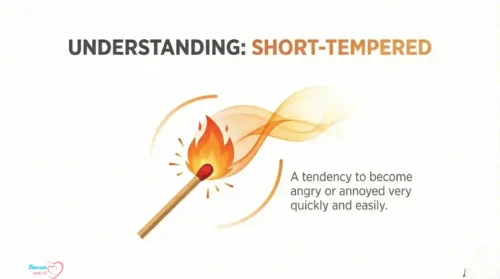
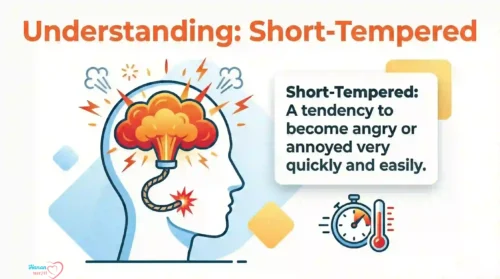
A short temper isn’t just about getting angry occasionally—we all do that. Instead, it refers to a consistent pattern of becoming irritated, frustrated, or angry quickly and often disproportionately to the situation at hand. Think of it like a smoke alarm that goes off when you burn toast instead of only during an actual fire.
When someone has a short temper, their emotional fuse is significantly shorter than average. Small inconveniences that most people would brush off—like traffic, a misplaced item, or a minor disagreement—can trigger intense emotional reactions. The response time between trigger and reaction is remarkably brief, leaving little room for rational processing.
The Difference Between Anger and Short Temper
Here’s a crucial distinction many people miss: anger is a normal, healthy emotion that everyone experiences. A short temper, however, is about how quickly and intensely someone reaches that anger state, and how they express it.
Someone with occasional anger might get upset when genuinely provoked, take time to process their feelings, and express their frustration constructively. A short-tempered person, on the other hand, reaches explosive emotional states rapidly, often over minor triggers, and may struggle to regulate their response.
![Husband Is Short Tempered Expert Guide to Understanding]() Common Signs Your Husband Has a Short Temper
Common Signs Your Husband Has a Short Temper
 Common Signs Your Husband Has a Short Temper
Emotional Indicators
Recognizing the signs helps you understand what you’re dealing with. Emotionally, a short-tempered husband might:
- Experience sudden mood swings without apparent cause
- Show intense frustration over minor inconveniences
- Have difficulty calming down once upset
- Display impatience with everyday situations
- Become easily annoyed by sounds, behaviors, or interruptions
- Express feelings of being overwhelmed frequently
- Show little tolerance for mistakes (his own or others’)
Behavioral Patterns
Watch for these consistent behavioral patterns:
- Raising his voice quickly during disagreements
- Slamming doors, throwing objects, or making aggressive gestures
- Walking away abruptly from conversations
- Using harsh or critical language
- Making impulsive decisions when frustrated
- Refusing to discuss issues when emotions are high
- Apologizing afterward but repeating the same patterns
Physical Manifestations
The body often reveals what the mind is experiencing:
- Clenched fists or jaw
- Rapid breathing or flushed face
- Tense posture and rigid body language
- Pacing or restless movement
- Visible trembling when upset
- Changes in facial expression (narrowed eyes, furrowed brows)
The Root Causes Behind Short Temperedness
Psychological Factors
Understanding the “why” behind your husband’s short temper is essential. Psychologically, several factors might be at play:
Low frustration tolerance develops when someone hasn’t learned effective coping mechanisms for dealing with life’s inevitable disappointments. Perhaps he grew up in an environment where emotions weren’t discussed healthily, or maybe he witnessed short-tempered behavior modeled by his own parents.
Cognitive distortions also play a significant role. Your husband might engage in black-and-white thinking (“Everything is going wrong”), catastrophizing minor problems, or maintaining unrealistic expectations about how things “should” be.
Underlying anxiety or depression frequently mask themselves as irritability. When someone feels persistently worried, overwhelmed, or emotionally numb, these feelings often emerge as anger because it feels more controllable than vulnerability.
Biological and Hormonal Influences
We can’t ignore the physiological components:
- Low serotonin levels have been linked to increased irritability and aggression
- Testosterone fluctuations can affect mood regulation in men
- Sleep deprivation dramatically reduces emotional control
- Blood sugar imbalances from poor diet or irregular eating
- Chronic pain or health issues that create constant background stress
- Neurological factors affecting the prefrontal cortex’s ability to regulate emotions
Environmental and Situational Stressors
♦ Work-Related Pressure
Your husband’s work environment significantly impacts his emotional state at home. Consider whether he’s facing:
- Unrealistic deadlines or performance expectations
- Toxic workplace culture or difficult colleagues
- Job insecurity or fear of failure
- Long hours with insufficient breaks
- Lack of recognition or feeling undervalued
- Career stagnation or unfulfilling work
♦ Financial Concerns
Money stress is one of the most common underlying causes of short temperedness. Financial worries create a constant background anxiety that reduces someone’s capacity to handle additional stressors. Whether it’s debt, living paycheck-to-paycheck, or pressure to provide, these concerns eat away at emotional resilience.
♦ Past Trauma and Unresolved Issues
Unprocessed trauma from childhood or previous relationships often manifests as anger in adulthood. Perhaps your husband experienced:
- Abuse or neglect during formative years
- Bullying or social rejection
- Previous relationship betrayals
- Loss of a loved one
- Childhood instability or unpredictability
These experiences can create hypervigilance and a defensive emotional stance where anger serves as protection against perceived threats or vulnerability.
How a Short-Tempered Husband Affects Your Marriage
Emotional Impact on You
Living with someone who has a short temper takes a profound toll on your wellbeing. You might experience:
Constant anxiety and hypervigilance – You’re always monitoring his mood, trying to prevent explosions before they happen. This state of high alert is exhausting and can lead to chronic stress symptoms.
Loss of self-esteem – Repeated exposure to irritability and criticism can make you question your worth, your judgment, and your actions. You might start believing you’re the problem.
Emotional exhaustion – Managing someone else’s emotions while suppressing your own creates a deficit that leaves you depleted, disconnected from your own feelings, and unable to access joy.
Resentment and disconnection – Over time, fear and frustration replace intimacy and affection. You might find yourself emotionally withdrawing as a protective mechanism.
Impact on Children and Family Dynamics
If you have children, the effects extend beyond your marriage:
Children growing up with a short-tempered parent often develop anxiety, become people-pleasers, or learn that anger is an acceptable way to handle frustration. They might struggle with:
- Feeling responsible for dad’s moods
- Difficulty regulating their own emotions
- Reluctance to bring friends home
- Academic or social challenges
- Replicating these patterns in their own relationships
The entire family system adapts around the short-tempered person, with everyone adjusting their behavior to manage his moods rather than living authentically.
Long-Term Relationship Consequences
Without intervention, a short temper creates progressive damage:
| Timeline | Potential Consequences |
|---|---|
| Short-term (0-6 months) | Increased arguments, reduced intimacy, walking on eggshells |
| Medium-term (6 months-2 years) | Emotional distance, resentment, consideration of separation |
| Long-term (2+ years) | Emotional disconnection, health issues from chronic stress, serious consideration of divorce |
Is It Just Stress or Something More Serious?
When to Recognize Red Flags
There’s a significant difference between someone who’s temporarily stressed and exhibiting short temperedness, and someone who has deeper issues requiring professional help.
Temporary stress patterns typically:
- Have a clear external cause
- Improve when the stressor is removed
- Show your husband taking responsibility and trying to change
- Don’t escalate into threats or physical aggression
- Allow for productive conversations during calm moments
More serious concerns include:
- Escalating frequency or intensity of outbursts
- Blame-shifting and refusing accountability
- Threats of any kind (even if “not serious”)
- Physical aggression toward objects, pets, or people
- Substance abuse accompanying anger
- Complete unwillingness to acknowledge the problem
Understanding Mental Health Conditions
Several mental health conditions commonly present with irritability and short temperedness:
Intermittent Explosive Disorder (IED) involves recurrent outbursts that are grossly disproportionate to the situation. Between episodes, the person might seem completely normal.
Depression in men often manifests differently than in women. Instead of sadness, many men experience irritability, anger, and aggressive behavior as primary symptoms.
Anxiety disorders create such internal tension that small external stressors feel overwhelming, leading to explosive reactions as a release valve.
ADHD in adults frequently includes emotional dysregulation, impulsivity, and low frustration tolerance that can appear as a short temper.
Bipolar disorder during manic or mixed episodes can involve extreme irritability and reactive anger.
If you suspect a mental health condition, professional evaluation is essential. These aren’t character flaws—they’re treatable medical conditions.
Practical Communication Strategies
Timing Your Conversations Right
When you address your husband’s short temper matters almost as much as what you say. Never attempt serious conversations:
- During or immediately after an outburst
- When either of you is tired, hungry, or stressed
- In front of children or other people
- When you’re rushed or have limited time
Instead, choose moments when:
- Both of you are calm and rested
- You have privacy and uninterrupted time
- Neither of you is dealing with other immediate stressors
- You’ve recently had a positive interaction
Consider saying something like: “I’d like to talk with you about something important to me. When would be a good time for you this week when we could have an uninterrupted conversation?”
![Husband Is Short Tempered]() Using “I” Statements Instead of Accusations
Using “I” Statements Instead of Accusations
 Using “I” Statements Instead of Accusations
The language you use dramatically affects how your message is received. Compare these approaches:
Accusatory (triggers defensiveness):
- “You’re always losing your temper over nothing!”
- “You make everyone walk on eggshells”
- “You need to control yourself”
“I” statements (promotes understanding):
- “I feel anxious when conversations escalate quickly because I worry about our connection”
- “I notice I’m hesitant to share things with you, and I miss feeling close”
- “I’m concerned about how stress is affecting both of us”
The formula is simple: “I feel [emotion] when [specific situation] because [impact].” This approach expresses your experience without attacking his character.
Active Listening Techniques
Communication isn’t just about what you say—it’s equally about how you listen. When your husband responds:
Reflect back what you hear» “So what I’m hearing is that you feel overwhelmed at work, and that stress is following you home. Is that right?”
Validate without agreeing» “I can understand why that situation would be frustrating” doesn’t mean you agree with his reaction, just that you recognize his feelings.
Ask clarifying questions» “Help me understand what that feels like for you” shows genuine interest in his perspective.
Avoid interrupting» Let him finish his thoughts completely before responding, even if you disagree.
Validating His Feelings Without Enabling
Here’s a crucial balance» you can acknowledge his emotions without accepting inappropriate behavior.
“I understand you’re frustrated about what happened at work. That sounds really stressful. However, I’m not comfortable being spoken to harshly. Can we find a different way for you to express that frustration?”
This approach validates the emotion while maintaining your boundary about how you’re treated.
Setting Healthy Boundaries
What Boundaries Look Like in Practice
Boundaries aren’t about controlling your husband’s behavior—they’re about defining what you will and won’t accept in how you’re treated. Effective boundaries are:
Clear and specific:
- “I will not continue conversations that involve yelling”
- “I need you to take a break if you feel yourself getting angry during our discussions”
- “Slamming things during disagreements is not acceptable”
Consistently enforced: A boundary means nothing if you only enforce it sometimes. If you say you’ll leave the room during yelling, you must do it every time.
Focused on your actions, not his: Notice how boundaries define what YOU will do: “I will leave the room if voices are raised” rather than “You must not raise your voice.”
How to Enforce Boundaries Lovingly
Setting boundaries doesn’t mean being cold or punitive. You might say:
“I love you and I want to solve this together, but I need us both to stay calm. If things get heated, I’m going to suggest we take a 20-minute break and come back to this. That’s not me avoiding the issue—it’s me protecting our ability to actually resolve it.”
Then, when the boundary is crossed: “I can see we’re both getting frustrated. Let’s take that break we talked about. I’ll be in the other room, and we can continue this in 20 minutes.”
Consistency, calmness, and compassion are key.
Self-Care Strategies for Partners
Protecting Your Mental Health
You cannot pour from an empty cup, and living with a short-tempered partner drains you constantly. Prioritize these self-care essentials:
Maintain your own identity and interests: Don’t let your entire life revolve around managing his moods. Keep your hobbies, friendships, and activities that bring you joy.
Practice stress-reduction techniques: Whether it’s meditation, exercise, journaling, or creative pursuits, find outlets that help you process your own emotions.
Set aside “you” time: Regularly scheduled time away from the situation—even just an hour—helps you recharge and maintain perspective.
Monitor your own mental health: Watch for signs of depression, anxiety, or trauma responses in yourself. These are red flags that you need additional support.
Building Your Support Network
Isolation intensifies the problem. You need people who understand and support you:
- Trusted friends or family who you can be honest with about your struggles
- A therapist or counselor for yourself, regardless of whether your husband seeks help
- Support groups for partners of people with anger issues (online or in-person)
- Safe people who won’t judge, minimize your experience, or simply tell you to leave without understanding the complexity
When to Seek Individual Therapy
Consider individual therapy if you’re experiencing:
- Persistent anxiety, depression, or hopelessness
- Difficulty making decisions or trusting your own judgment
- Physical symptoms of stress (headaches, digestive issues, sleep problems)
- Loss of interest in things you used to enjoy
- Feeling trapped or unable to see options
- Questioning whether you’re “making too big a deal” of serious issues
A therapist provides objective perspective, helps you develop coping strategies, and supports you in making whatever decisions are right for you.
Helping Your Husband Manage His Temper
Encouraging Professional Help
This conversation requires careful approach. Your husband might resist professional help due to stigma, fear, or denial. Try these strategies:
Frame it as team effort» “I think we could both benefit from learning better communication tools. Would you be willing to see a counselor with me?”
Focus on benefits, not problems» “I’ve noticed how stressed you’ve been, and I wonder if talking to someone might help you feel better” sounds less accusatory than “You need anger management.”
Share credible information» Sometimes reading about how therapy helps people manage stress is less threatening than a direct suggestion.
Lead by example» If you start therapy first and share how helpful it’s been, he might become more open to it.
Acknowledge his feelings» “I know it might feel uncomfortable to talk to a stranger, but I care about you and us too much not to try everything we can.”
Anger Management Techniques You Can Suggest
While professional help is ideal, you can introduce practical techniques:
| Technique | How It Works | When to Use It |
|---|---|---|
| Time-outs | Take a deliberate break when anger rises, with agreement to return to the conversation | When you notice early signs of escalation |
| Deep breathing | Slow, deliberate breaths activate the parasympathetic nervous system | During any frustrating situation |
| Physical exercise | Releases tension and anger-related energy constructively | Daily habit or when particularly stressed |
| Journaling | Processes emotions through writing before expressing them | After situations that triggered anger |
| Identifying triggers | Becoming aware of patterns that precede anger | During calm reflection periods |
Creating a Calm Home Environment
Your home environment significantly impacts emotional regulation:
- Reduce unnecessary stressors: Minimize clutter, noise, and chaos where possible
- Establish routines: Predictability reduces stress for everyone
- Create calming spaces: Designate areas for relaxation and decompression
- Limit exposure to anger triggers: If certain topics (politics, finances) consistently trigger arguments, establish better times and ways to discuss them
- Prioritize downtime: Ensure your husband has time to decompress, especially after work.
![Husband Is Short Tempered Expert Guide]() When Professional Help is Necessary
When Professional Help is Necessary
 When Professional Help is Necessary
Types of Therapy That Work
Different therapeutic approaches address anger issues effectively:
Cognitive Behavioral Therapy (CBT) helps identify thought patterns that trigger anger and replace them with healthier responses. It’s evidence-based and typically short-term.
Dialectical Behavior Therapy (DBT) focuses on emotional regulation, distress tolerance, and interpersonal effectiveness—all crucial for managing a short temper.
Anger Management Programs are structured courses specifically designed to address anger issues through education, skill-building, and practice.
Trauma-Focused Therapy addresses underlying trauma that might be driving reactive anger responses.
Couples Counseling Benefits
Couples counseling isn’t just for relationships on the brink of divorce. It’s incredibly valuable for:
- Learning healthy communication patterns together
- Understanding each other’s triggers and needs
- Creating collaborative strategies for managing conflict
- Rebuilding trust and intimacy damaged by anger issues
- Having a neutral third party facilitate difficult conversations
The best outcomes occur when both individual and couples therapy happen simultaneously.
Individual Therapy for Anger Issues
Your husband needs his own therapeutic space to:
- Explore root causes of his short temper
- Develop personal emotional regulation skills
- Address any underlying mental health conditions
- Work through past trauma or unresolved issues
- Build self-awareness about his patterns
This individual work is essential and shouldn’t be replaced entirely by couples counseling.
Coping Mechanisms for Immediate Situations
De-escalation Techniques
When your husband’s temper flares, these techniques can help prevent full-blown explosions:
Stay calm yourself: Your calm demeanor can help regulate the emotional temperature. Breathe slowly, relax your body language, and keep your voice even.
Give space: Sometimes the best response is creating physical distance. “I can see you’re upset. I’m going to give you some space for a few minutes.”
Avoid certain triggers:
- Don’t use sarcasm or dismissive language
- Avoid bringing up past incidents during heated moments
- Don’t issue ultimatums when emotions are high
- Resist the urge to “win” the argument
Acknowledge his feelings: “I can see you’re really frustrated right now” can sometimes diffuse tension.
Suggest solutions: “What would help you feel better right now?” shifts focus from the problem to resolution.
Creating a Safety Plan
If your husband’s anger ever feels threatening or escalates to aggression, you need a safety plan:
Identify safe spaces in your home where you can go if things escalate dangerously.
Have a code word with children or trusted friends that signals you need help without explicitly saying so.
Keep important documents (identification, financial records, important contacts) easily accessible or with a trusted person.
Know your resources:
- Domestic violence hotlines
- Local shelters or safe houses
- Supportive friends or family you could stay with
- Legal resources in your area
Trust your instincts: If you ever feel physically unsafe, that’s a clear signal that you need to prioritize your safety above all else.
Success Stories: Couples Who Overcame This Challenge
Real transformation is possible when both partners are committed to change. Consider these composite examples based on common therapeutic successes:
Sarah and Mike: After years of tension, Mike finally acknowledged his short temper was damaging their marriage. He started individual therapy and discovered his anger stemmed from untreated anxiety. Combined with couples counseling, they learned new communication patterns. Two years later, they report feeling closer than ever, with Mike’s outbursts virtually eliminated.
Jennifer and David: David’s work stress manifested as irritability at home. Once he identified the connection, he made career changes, started exercising regularly, and practiced mindfulness. Jennifer worked on setting boundaries instead of absorbing his emotions. Their relationship transformed from tense to supportive.
The common threads in successful transformations:
- Acknowledgment that a problem exists
- Both partners doing their own work
- Consistent effort over time (change doesn’t happen overnight)
- Professional guidance
- Commitment to the relationship
Building a Healthier Future Together
Rebuilding Trust and Connection
If your husband is committed to change, rebuilding takes intentional effort:
Celebrate small wins» Notice and appreciate improvements, even minor ones. Positive reinforcement encourages continued effort.
Practice gratitude» Regularly express appreciation for each other beyond the anger issues. What do you still love about him?
Create positive experiences together» Don’t let your entire relationship focus on the problem. Schedule date nights, try new activities, laugh together.
Be patient with setbacks» Change isn’t linear. There will be slip-ups. How you both handle them determines whether you move forward or backward.
Establishing New Communication Patterns
Healthy relationships require ongoing maintenance:
- Regular check-ins: Schedule weekly conversations about how you’re both doing emotionally
- Conflict resolution agreements: Establish rules for how you’ll handle disagreements
- Appreciation rituals: Daily expressions of gratitude create positive emotional deposits
- Shared goals: Work together toward common objectives that unite rather than divide you
![Husband Is Short Tempered Expert Guide to Understanding]() Conclusion
Conclusion
 Conclusion
Living with a short-tempered husband is undeniably challenging, but it doesn’t have to define your entire marriage or your future. The key takeaways from this comprehensive guide are:
Understanding the root causes helps you approach the situation with compassion rather than just frustration. Whether it’s stress, unresolved trauma, mental health conditions, or learned patterns, there are explanations—though never excuses—for short temperedness.
Your wellbeing matters just as much as his. Protecting your mental health, setting boundaries, and seeking support aren’t selfish—they’re essential. You can’t fix this problem alone, and trying to do so will only exhaust you.
Change is possible but requires commitment from both partners. Your husband must acknowledge the problem and actively work on it. Your role is to support while maintaining boundaries, not to manage his emotions or walk on eggshells indefinitely.
Professional help accelerates healing. Therapy provides tools, insights, and strategies that most couples simply can’t develop on their own. It’s not a sign of failure—it’s a sign of taking your relationship seriously.
Know when safety becomes the priority. If the situation ever becomes abusive or dangerous, protecting yourself and your children takes precedence over saving the marriage.
Remember: you deserve a relationship where you feel safe, valued, and peaceful. Whether that happens through transformation within your current marriage or through making the difficult decision to leave, you have options, support is available, and hope exists for a better future.
Your journey might be difficult, but you don’t have to walk it alone. Reach out for help, trust your instincts, and believe that healing—one way or another—is possible.
FAQs
Q1: Can a short-tempered husband change, or is it a permanent personality trait?
A short temper can absolutely change, but it requires self-awareness, commitment, and usually professional help. While temperament has genetic components, how someone manages and expresses anger is largely learned behavior—and what’s learned can be unlearned. The key factor is whether your husband acknowledges the problem and genuinely wants to change. With therapy, anger management techniques, and addressing underlying causes like stress or mental health conditions, most people can dramatically improve their emotional regulation. However, change takes consistent effort over time, not overnight transformation.
Q2: How do I know if my husband’s anger is a dealbreaker or something we can work through?
Consider these factors: Is he willing to acknowledge the problem and seek help? Has the anger ever escalated to threats or physical aggression? Are you able to have calm, productive conversations between outbursts? Is your mental or physical health seriously suffering? If he’s in denial, refusing help, escalating, or if abuse is present, these are serious red flags. However, if he’s open to change, taking accountability, and making genuine efforts, there’s hope for improvement. Ultimately, only you can decide what’s acceptable in your relationship. Working with a therapist individually can help you gain clarity on this decision.
Q3: What should I do immediately during one of his angry outbursts?
Prioritize safety and de-escalation. Stay calm yourself—your calm demeanor can help regulate the emotional temperature. Avoid arguing back, defending yourself, or bringing up past incidents, as these escalate conflict. If possible, create space by calmly saying something like “I can see you’re upset. Let’s take a break and talk about this when we’re both calmer.” If you ever feel physically unsafe, leave immediately and go somewhere safe. Never put yourself at risk trying to calm someone whose anger has become threatening. After the situation passes, have a conversation during a calm moment about developing better strategies together.
Q4: Should I stay in the marriage for the sake of our children?
This common question deserves a nuanced answer. Children don’t benefit from parents staying together in a destructive relationship—they’re harmed by it. Growing up in a home with constant tension, anger, and conflict teaches children unhealthy relationship patterns and can cause lasting emotional damage. However, if your husband is actively working on his issues, making progress, and the relationship is improving, staying can be beneficial for everyone. The question isn’t whether to stay “for the children” but whether the environment you’re providing them is healthy. Children need emotionally healthy parents more than they need parents who are together. Consider what behaviors and relationship dynamics you’re modeling for them.
Q5: My husband apologizes after his outbursts but the pattern keeps repeating. What does this mean?
This is called the “anger cycle,” and it’s incredibly common. Remorse and apologies following outbursts are genuine in the moment, but without addressing the underlying causes and developing new coping mechanisms, the pattern inevitably repeats. Your husband likely feels terrible after losing his temper, but feeling bad doesn’t automatically create the skills needed for different behavior. This cycle can continue indefinitely without intervention. The key question is: what’s he doing beyond apologizing? Is he seeking therapy, learning anger management techniques, or examining what triggers these episodes? If the pattern continues with only apologies but no action toward change, you’re seeing the limits of good intentions without professional help.
References and Sources:
-
- American Psychological Association – Understanding Anger and Anger Management: https://www.apa.org/topics/anger
- National Institute of Mental Health – Men and Mental Health: https://www.nimh.nih.gov/health/topics/men-and-mental-health