

- Advertisement -
Lavender Essential Oil for Skin | Benefits, Uses &, Guide 2026
Lavender Essential Oil for Skin | Complete Science-Backed Guide

- Advertisement -
Lavender Essential Oil for Skin
Have you ever wondered why lavender essential oil has been a skincare staple for centuries? From ancient Egyptian beauty rituals to modern dermatology offices, this purple-flowered plant has maintained its reputation as one of nature’s most versatile skin healers. If you’re searching for a natural solution to achieve healthier, more radiant skin, you’ve landed in the right place.
Lavender essential oil isn’t just another trendy ingredient—it’s a scientifically-backed powerhouse that addresses multiple skin concerns simultaneously. Whether you’re battling stubborn acne, fighting premature aging, or simply seeking a gentler approach to skincare, lavender oil offers remarkable benefits that work with your skin’s natural processes rather than against them.
In this comprehensive guide, we’ll explore everything you need to know about using lavender essential oil for skin. You’ll discover the science behind its effectiveness, learn practical application methods for every skin type, and uncover DIY recipes that transform this botanical extract into personalized skincare solutions. Ready to unlock the secrets of this aromatic wonder? Let’s dive in.
What Is Lavender Essential Oil?
Lavender essential oil is a concentrated liquid extracted from the flowers of the Lavandula angustifolia plant, commonly known as English lavender or true lavender. This isn’t your grandmother’s perfume—it’s a therapeutic-grade botanical extract that contains hundreds of naturally occurring compounds working in harmony to benefit your skin.
Origins and Extraction Process
Native to the Mediterranean region, lavender has been cultivated for over 2,500 years. Today, the finest lavender essential oil comes from high-altitude farms in France, Bulgaria, and Tasmania, where the climate produces plants with optimal chemical composition.
The extraction process matters tremendously. Steam distillation is the gold standard method, where steam passes through lavender flowers, capturing volatile aromatic compounds. This process typically requires about 150 pounds of lavender flowers to produce just one pound of essential oil—explaining why quality lavender oil commands premium prices.
Key Chemical Components
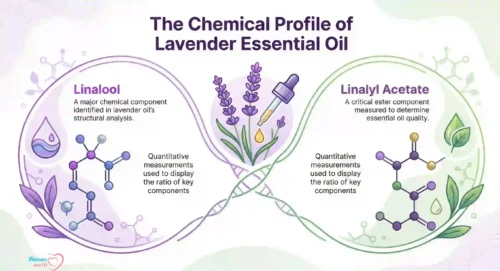
Understanding what makes lavender oil effective requires a peek at its chemical profile:
| Component | Percentage | Primary Benefit for Skin |
|---|---|---|
| Linalool | 25-38% | Anti-inflammatory, pain relief |
| Linalyl acetate | 25-45% | Calming, anti-inflammatory |
| Terpinen-4-ol | 1-8% | Antimicrobial properties |
| Camphor | 0.5-1% | Circulation enhancement |
| 1,8-Cineole | 1-3% | Anti-inflammatory effects |
These compounds work synergistically—meaning they’re more effective together than individually. This is why synthetic “lavender fragrance” can never replicate the therapeutic benefits of genuine essential oil.
Why Lavender Essential Oil Is a Skincare Powerhouse
What sets lavender essential oil apart from countless other skincare ingredients? The answer lies in its unique triple-action approach: it fights harmful microorganisms, reduces inflammation, and protects against cellular damage. Let’s break down each benefit.
Antimicrobial Properties
Your skin constantly battles bacteria, fungi, and other microorganisms. Lavender essential oil contains powerful antimicrobial compounds that inhibit the growth of skin-damaging pathogens, including Propionibacterium acnes—the primary culprit behind acne breakouts.
Research demonstrates that lavender oil disrupts bacterial cell membranes, essentially creating holes that cause harmful microbes to leak and die. This natural defense mechanism helps keep your skin clear without the harsh side effects associated with synthetic antibacterial agents.
Anti-Inflammatory Benefits
Inflammation is the root cause of numerous skin problems, from redness and irritation to premature aging. Lavender oil’s anti-inflammatory properties work by inhibiting inflammatory mediators in your skin, reducing swelling, redness, and discomfort.
Think of inflammation as a fire in your skin. While conventional products might temporarily mask the smoke, lavender oil actually helps extinguish the flames at their source. This makes it particularly valuable for conditions like eczema, rosacea, and post-inflammatory hyperpigmentation.
Antioxidant Protection
Free radicals—unstable molecules generated by UV exposure, pollution, and stress—attack your skin cells daily, accelerating aging. Lavender essential oil contains potent antioxidants that neutralize these molecular troublemakers before they can cause damage.
By donating electrons to unstable free radicals, lavender’s antioxidants break the chain reaction of oxidative stress. This protection helps maintain collagen integrity, prevents DNA damage, and keeps your skin looking youthful longer.
Top Benefits of Lavender Essential Oil for Skin
Now that you understand the science, let’s explore the specific ways lavender essential oil can transform your skin. These benefits aren’t just marketing hype—they’re backed by both traditional use and modern research.
Treats Acne and Blemishes
Struggling with breakouts? Lavender oil attacks acne from multiple angles. Its antimicrobial action kills acne-causing bacteria, while its anti-inflammatory properties reduce the redness and swelling that make pimples so noticeable.
Key advantages for acne-prone skin:
- Unclogs pores without over-drying.
- Reduces sebum production in oily areas.
- Prevents future breakouts by maintaining skin balance.
- Minimizes post-acne scarring.
Unlike harsh benzoyl peroxide or salicylic acid treatments that can strip your skin’s natural protective barrier, lavender oil works gently. It’s like having a skilled negotiator rather than a bulldozer—effective without unnecessary destruction.
Soothes Irritated and Sensitive Skin
Does your skin react to seemingly everything? Lavender essential oil’s soothing properties make it ideal for calming reactive skin. The linalool and linalyl acetate compounds provide immediate relief from itching, burning, and discomfort.
Whether you’re dealing with sunburn, razor burn, insect bites, or general irritation, lavender oil reduces the inflammatory response that causes discomfort. Many users report feeling cooling relief within minutes of application.
Reduces Signs of Aging
Time marches on, but lavender oil helps your skin resist its effects. The antioxidants in lavender combat free radical damage—one of the primary accelerators of visible aging. Regular use can help:
- Diminish fine lines and wrinkles.
- Improve skin elasticity and firmness.
- Enhance overall skin tone and texture.
- Reduce age spots and sun damage.
Think of lavender oil as your skin’s personal time machine—it won’t make you twenty again, but it can certainly help you look your best at any age.
Heals Minor Burns and Wounds
Lavender oil has earned a stellar reputation for wound healing. It accelerates the skin’s natural repair processes by promoting collagen synthesis and supporting new tissue formation. This makes it valuable for:
- Minor burns (including sunburn).
- Cuts and scrapes.
- Post-surgical scars.
- Skin abrasions.
Reader Note: While lavender oil supports healing, it’s not a substitute for proper medical care. Always seek professional treatment for serious burns or deep wounds.
Balances Skin Oil Production
Here’s something counterintuitive: applying oil can actually help control oily skin. Lavender essential oil helps regulate sebaceous gland activity, signaling your skin to produce appropriate amounts of natural oils rather than overcompensating.
For those with combination skin—oily in some areas, dry in others—lavender oil provides much-needed balance. It hydrates dry patches without making oily zones greasier.
Fades Scars and Hyperpigmentation
Dark spots, acne scars, and uneven skin tone can linger long after the original skin issue has healed. Lavender oil promotes cellular regeneration and increases blood circulation to affected areas, gradually fading discoloration.
The process requires patience—skin cell turnover takes time—but consistent use over several weeks typically produces visible improvement. Many users notice that new scars fade significantly faster when treated with lavender oil immediately after healing begins.
How to Use Lavender Essential Oil for Different Skin Types
One size doesn’t fit all in skincare, and the same applies to lavender essential oil. Let’s customize your approach based on your specific skin type for optimal results.
For Oily and Acne-Prone Skin
Application method:
- Dilute 2-3 drops of lavender oil in 1 tablespoon of jojoba or grapeseed oil (both are non-comedogenic).
- Apply to clean, slightly damp skin after cleansing.
- Focus on problem areas but don’t skip the rest of your face.
- Use morning and evening for best results.
Pro tip: Add a drop of tea tree oil to your lavender blend for extra acne-fighting power. The combination creates a one-two punch against stubborn breakouts.
For Dry and Flaky Skin
Application method:
- Mix 3-4 drops of lavender oil with 1 tablespoon of nourishing carrier oil (rosehip, argan, or sweet almond oil).
- Warm the mixture between your palms.
- Press gently into skin using upward motions.
- Apply while skin is still slightly damp to seal in moisture.
Dry skin needs extra TLC, and lavender oil’s regenerative properties work beautifully with rich carrier oils to restore your skin’s protective barrier.
For Sensitive Skin
Application method:
- Start with a conservative dilution: 1 drop lavender oil per 2 tablespoons carrier oil.
- Choose gentle carriers like calendula-infused oil or fractionated coconut oil.
- Always patch test on your inner arm before facial application.
- Gradually increase concentration if no reaction occurs.
Important reminder: Sensitive skin requires patience. Give your skin at least 48 hours to respond before increasing dosage or frequency.
For Combination Skin
Application method:
- Create two blends: one for oily zones (lighter carrier oil) and one for dry areas (richer carrier oil).
- Use 2 drops lavender oil per tablespoon of carrier.
- Apply appropriate blend to corresponding areas.
- Layer products from thinnest to thickest consistency.
Combination skin is like managing two different skin types simultaneously. Lavender oil’s balancing properties make this juggling act much easier.
DIY Lavender Essential Oil Skincare Recipes
Ready to get hands-on? These DIY recipes harness lavender oil’s benefits in targeted formulations. They’re simple to make, cost-effective, and free from unnecessary additives.
Lavender Face Serum
Ingredients:
- 1 oz rosehip seed oil.
- 1 oz jojoba oil.
- 10 drops lavender essential oil.
- 5 drops frankincense essential oil.
- 3 drops geranium essential oil.
- Dark glass dropper bottle.
Instructions:
- Combine all carrier oils in the bottle.
- Add essential oils.
- Shake well before each use.
- Apply 3-5 drops to clean skin morning and night.
This serum targets fine lines, uneven tone, and dullness simultaneously. The combination of oils creates a lightweight yet nourishing treatment suitable for most skin types.
Acne-Fighting Spot Treatment
Ingredients:
- 2 tablespoons witch hazel.
- 5 drops lavender essential oil.
- 3 drops tea tree oil.
- 1 drop Roman chamomile oil.
- Small roller bottle.
Instructions:
- Pour witch hazel into roller bottle.
- Add essential oils.
- Shake vigorously.
- Roll directly onto blemishes 2-3 times daily.
This targeted treatment dries out active breakouts while preventing scarring. The roller application keeps the product hygienic and easy to use on-the-go.
Soothing Lavender Face Mask
Ingredients:
- 2 tablespoons raw honey.
- 1 tablespoon plain Greek yogurt.
- 1 teaspoon colloidal oatmeal.
- 4 drops lavender essential oil.
Instructions:
- Mix honey and yogurt until smooth.
- Stir in colloidal oatmeal.
- Add lavender oil and blend thoroughly.
- Apply to clean skin and leave for 15-20 minutes.
- Rinse with lukewarm water.
This mask calms irritation, hydrates dry patches, and leaves skin soft and glowing. Use weekly for maintenance or twice weekly during flare-ups.
Anti-Aging Night Cream
Ingredients:
- 2 oz shea butter (softened).
- 1 oz coconut oil.
- 1/2 oz vitamin E oil.
- 15 drops lavender essential oil.
- 5 drops carrot seed oil.
Instructions:
- Whip softened shea butter until fluffy.
- Gradually incorporate coconut oil while continuing to whip.
- Add vitamin E and essential oils.
- Transfer to a clean jar.
- Apply nightly to face and neck.
This rich cream provides overnight nourishment and repair. Your skin does most of its regenerative work while you sleep, making this the perfect time for intensive treatment.
Safety Precautions and Potential Side Effects
While lavender essential oil is generally safe for most people, responsible use requires understanding proper protocols. Let’s ensure your lavender journey is both effective and safe.
Proper Dilution Guidelines
Never apply undiluted essential oil directly to your face. This is the golden rule of essential oil use. Undiluted oils can cause:
- Chemical burns.
- Severe irritation.
- Sensitization (developing an allergy).
- Photosensitivity.
Standard dilution ratios:
| Concentration | Drops per 1 oz Carrier | Best For |
|---|---|---|
| 1% | 5-6 drops | Facial use, sensitive skin |
| 2% | 10-12 drops | General body use |
| 3% | 15-18 drops | Acute issues, spot treatment |
| 5% | 25-30 drops | Very limited areas, short-term |
When in doubt, start lower. You can always increase concentration, but you can’t undo an adverse reaction.
Patch Testing
Before applying any new essential oil blend to your face, perform a patch test:
- Apply diluted oil to your inner forearm.
- Cover with a bandage.
- Wait 24-48 hours.
- Check for redness, itching, or irritation.
If you experience any negative reaction, discontinue use. Positive results? You’re good to proceed to facial application.
Who Should Avoid Lavender Oil
While lavender is considered one of the gentlest essential oils, certain individuals should exercise caution or avoid use entirely:
Pregnant and nursing women> Hormonal effects remain uncertain consult your healthcare provider first.
Children under 2 years> Young skin is more permeable and reactive, avoid use unless directed by a pediatrician.
Pre-surgical patients> Lavender may affect central nervous system, discontinue use at least two weeks before surgery.
Those with hormone-sensitive conditions> Some research suggests lavender may have mild estrogenic effects.
People with lavender allergie> Obvious but worth stating—allergic reactions can be serious.
Choosing the Best Lavender Essential Oil
Not all lavender oils are created equal. The market is flooded with inferior products that won’t deliver the results you’re seeking. Here’s how to identify quality.
Quality Indicators
Look for these markers of excellence:
✓ Latin name on label> Should read “Lavandula angustifolia” (true lavender) ✓ Country of origin: Premium oils typically come from France, Bulgaria, or Tasmania ✓ Extraction method: “Steam distilled” is the quality standard ✓ Organic certification: Indicates freedom from pesticides and chemicals ✓ Dark glass bottle: Protects oil from light degradation ✓ Batch number and expiration date: Shows freshness tracking ✓ GC/MS testing> Gas chromatography/mass spectrometry verifies purity
Red flags to avoid> ✗ Suspiciously cheap prices (quality lavender isn’t bargain-basement priced) ✗ Clear or plastic bottles (indicates poor storage standards) ✗ “Fragrance oil” or “perfume oil” labels (not therapeutic grade) ✗ Missing botanical name (could be hybrid lavender with different properties)
Pure vs. Synthetic Oils
Here’s an uncomfortable truth: much of what’s sold as “lavender essential oil” is actually synthetic fragrance. These imposters smell similar but lack therapeutic benefits.
How to spot synthetic oils:
- Uniform consistency across batches (natural oils vary slightly).
- Perfect “lavender candy” smell (too sweet, lacking complexity).
- No visible sediment or cloudiness (pure oils may have trace plant material).
- Price significantly below market average.
Testing authenticity at home: Place one drop on blotter paper. Pure essential oil will evaporate completely within 24 hours, leaving no greasy residue. Synthetic oils typically leave an oily ring.
Scientific Research Supporting Lavender Oil for Skin
Let’s move beyond anecdotal evidence and examine what scientific studies reveal about lavender essential oil’s skin benefits.
Antimicrobial efficacy: A 2023 study published in the Journal of Medical Microbiology demonstrated that lavender oil inhibited the growth of several bacteria responsible for skin infections, including antibiotic-resistant strains. The researchers found that lavender oil disrupted bacterial biofilms, making it particularly valuable for chronic skin conditions.
Wound healing acceleration: Research in Evidence-Based Complementary and Alternative Medicine showed that lavender oil enhanced collagen synthesis and accelerated the contraction of wounds in animal models. The study attributed these effects to lavender’s ability to modulate inflammatory pathways and promote fibroblast activity.
Anti-inflammatory properties: A clinical trial examining lavender oil’s effects on inflammatory skin conditions found significant reductions in skin redness, swelling, and discomfort compared to placebo groups. The mechanism involves inhibiting nuclear factor-kappa B (NF-κB), a protein complex that controls inflammatory responses.
Antioxidant capacity: Laboratory analysis has confirmed that lavender essential oil contains multiple antioxidant compounds, including rosmarinic acid and other polyphenols. These compounds showed significant free radical scavenging activity, protecting skin cells from oxidative damage.
Key takeaway: The growing body of scientific evidence supports traditional uses of lavender oil for skin health. While more human clinical trials would strengthen the evidence base, current research provides solid justification for its inclusion in skincare routines.
Conclusion
Lavender essential oil stands as one of nature’s most versatile and effective skincare ingredients. From fighting acne and soothing irritation to reducing signs of aging and accelerating wound healing, this botanical powerhouse addresses multiple skin concerns simultaneously.
The beauty of lavender oil lies not just in its effectiveness but in its accessibility. Whether you incorporate it into simple DIY recipes or add a few drops to your existing skincare products, you can harness its benefits regardless of your skill level or budget. Remember that consistency matters more than complexity—regular use of properly diluted lavender oil will yield better results than sporadic application of elaborate formulations.
As you embark on your lavender skincare journey, prioritize quality, practice proper dilution, and listen to your skin’s responses. Natural doesn’t automatically mean risk-free, so approach new applications with thoughtful caution. With patience and consistency, you’ll likely discover why countless generations have trusted this purple-flowered plant for beautiful, healthy skin.
Your skin is your body’s largest organ and deserves care that’s both effective and gentle. Lavender essential oil offers exactly that—a scientifically-supported, naturally-derived solution that works with your skin’s innate wisdom rather than against it.
FAQs
1: Can I apply lavender essential oil directly to my face without dilution?
No, you should never apply undiluted lavender essential oil directly to your face. Despite lavender being one of the gentler essential oils, undiluted application can cause chemical burns, severe irritation, and sensitization. Always dilute lavender oil in an appropriate carrier oil at a 1-2% concentration (5-12 drops per ounce of carrier oil) for facial use. This ensures safety while maintaining effectiveness.
2: How long does it take to see results from using lavender oil on skin?
Results vary depending on the specific concern you’re addressing. For acute issues like minor irritation or inflammation, you may notice relief within hours. For acne treatment, expect visible improvement within 1-2 weeks of consistent use. Anti-aging benefits and scar fading require more patience—typically 4-8 weeks of regular application before noticeable changes occur. Remember that skin cell turnover takes approximately 28 days, so give any new skincare ingredient at least one full cycle to show results.
3: Can lavender essential oil make my skin more sensitive to sun?
Lavender essential oil is not considered phototoxic like citrus oils (lemon, bergamot, lime), meaning it doesn’t significantly increase sun sensitivity. However, using any new skincare product can temporarily make skin more reactive. It’s always wise to apply sunscreen daily when using essential oils in your routine, not because lavender itself causes photosensitivity, but as part of comprehensive skin protection. If you’re using lavender oil with other ingredients, check each component’s sun sensitivity profile.
4: Is lavender essential oil safe to use during pregnancy?
The safety of lavender essential oil during pregnancy remains debated among experts. While lavender is generally considered one of the safer essential oils, some aromatherapists recommend avoiding all essential oils during the first trimester when fetal development is most critical. If you’re pregnant or nursing, consult your healthcare provider before using lavender oil on your skin. They can assess your individual situation and provide personalized guidance. Many practitioners approve moderate topical use after the first trimester, but professional guidance is essential.
5: What’s the best carrier oil to mix with lavender essential oil for skin?
The best carrier oil depends on your skin type. For oily or acne-prone skin, choose lightweight, non-comedogenic oils like jojoba or grapeseed oil. For dry or mature skin, richer options like rosehip seed oil, argan oil, or sweet almond oil provide extra nourishment. Sensitive skin benefits from gentle carriers like calendula-infused oil or fractionated coconut oil. For anti-aging purposes, rosehip seed oil pairs exceptionally well with lavender due to its high vitamin A content and regenerative properties. You can also create custom blends using multiple carriers to address combination skin needs.
References:
