

- Advertisement -
Prickly Pear Face Oil | Complete Benefits Guide 2026
Prickly Pear Face Oil Benefits | Anti-Aging Miracle or Hype?

- Advertisement -
Prickly Pear Face Oil
Have you ever wondered why some facial oils cost significantly more than others? When it comes to prickly pear face oil, the price tag reflects something extraordinary. This luxurious oil, extracted from the seeds of the prickly pear cactus, has earned its reputation as one of the most potent and rare botanical oils in the skincare world. With its remarkable concentration of nutrients and proven benefits for aging, dry, and damaged skin, prickly pear oil is transforming beauty routines worldwide.
In this comprehensive guide, we’ll explore everything you need to know about prickly pear face oil—from its unique nutritional profile to how it stacks up against other popular facial oils. Whether you’re dealing with fine lines, hyperpigmentation, or simply seeking that coveted natural glow, you’ll discover why this desert treasure deserves a place in your skincare arsenal.
What Is Prickly Pear Face Oil?
Understanding the Prickly Pear Cactus
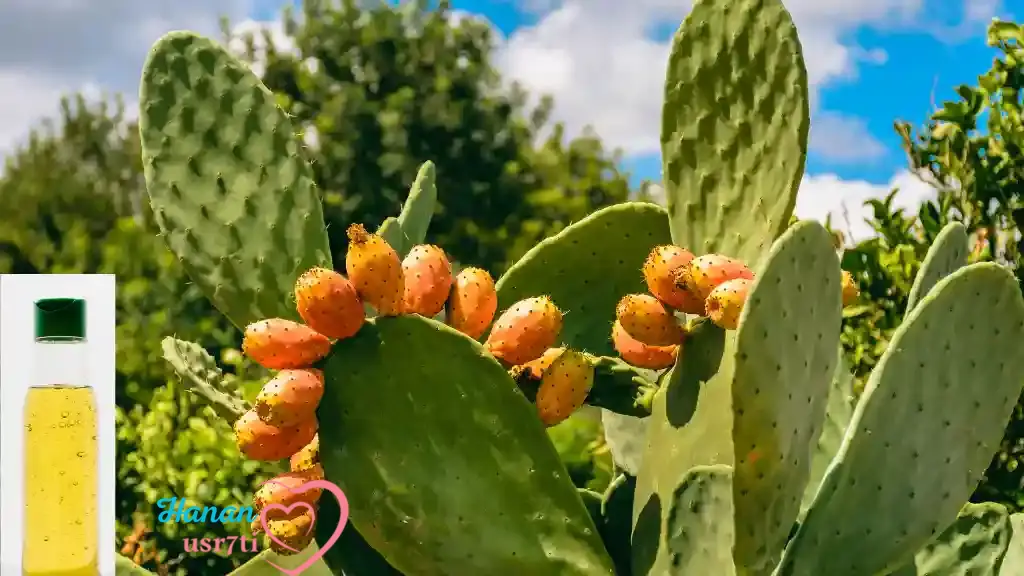
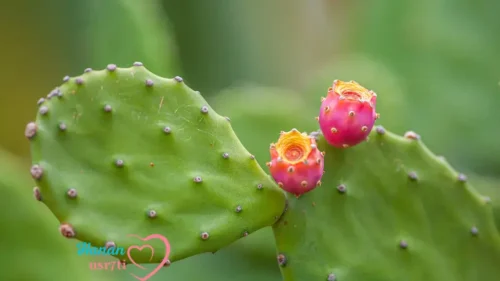
Prickly pear face oil comes from the Opuntia ficus-indica cactus, a resilient plant that thrives in arid climates across Mexico, the Mediterranean, and North Africa. This remarkable cactus has adapted to survive extreme conditions—scorching heat, intense UV radiation, and minimal water. These survival mechanisms translate into powerful skincare benefits when we harness the oil from its seeds.
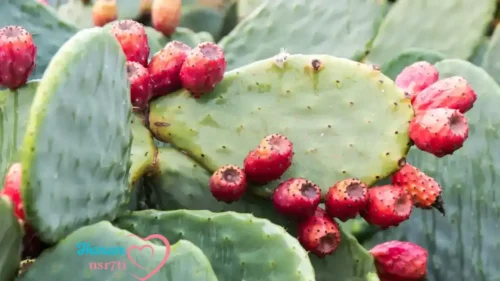
The fruit of this cactus, also known as tuna or cactus fig, contains tiny seeds that hold the precious oil. What makes this oil so rare? It takes approximately one ton of prickly pear fruit to produce just one liter of oil. This labor-intensive process explains why authentic prickly pear seed oil commands premium prices in the beauty market.
Extraction Process and Purity
The highest quality prickly pear oil is cold-pressed from the seeds without any chemical solvents or heat that could degrade its nutritional content. This mechanical extraction preserves the oil’s delicate balance of vitamins, fatty acids, and antioxidants. The resulting oil is a light, fast-absorbing liquid with a subtle, earthy aroma and a golden-green hue.
Many producers use sustainable harvesting methods, working with local communities who have cultivated these cacti for generations. When purchasing prickly pear oil, look for products that specify “100% pure,” “cold-pressed,” and “organic” to ensure you’re getting the real deal rather than a diluted version mixed with cheaper carrier oils.
The Nutritional Powerhouse: What Makes Prickly Pear Oil So Special?
Vitamin E and Antioxidant Content
Prickly pear seed oil contains one of the highest concentrations of vitamin E found in any plant oil—up to 150% more than argan oil. Vitamin E acts as a powerful antioxidant that protects skin cells from free radical damage caused by pollution, UV exposure, and environmental stressors. This protection is crucial for preventing premature aging and maintaining skin’s youthful resilience.
The oil also contains betalains, rare antioxidants that give the prickly pear fruit its vibrant color. These compounds have been shown to reduce inflammation and protect against oxidative stress, making the oil particularly beneficial for sensitive or reactive skin types.
Essential Fatty Acids Profile
The fatty acid composition of prickly pear oil is uniquely balanced for skin health:
- Linoleic acid (omega-6)» Approximately 60% of the oil’s composition, this essential fatty acid strengthens the skin barrier, reduces water loss, and has anti-inflammatory properties.
- Oleic acid (omega-9)» Around 20%, providing deep moisturization and helping other nutrients penetrate the skin.
- Palmitic acid» About 14%, offering emollient properties that soften and smooth skin texture.
- Stearic acid» Approximately 3%, supporting the skin’s natural lipid barrier.
This balanced profile makes prickly pear oil suitable for nearly all skin types, including acne-prone skin that might react poorly to heavier oils high in oleic acid.
Amino Acids and Skin Proteins
Prickly pear oil contains essential amino acids that serve as building blocks for collagen and elastin production. These proteins are fundamental to maintaining skin’s firmness, elasticity, and overall structural integrity. As we age, our natural collagen production declines—supplementing with amino acid-rich oils can help support the skin’s repair processes.
The oil also contains phytosterols, plant compounds that calm inflammation, improve skin barrier function, and promote healing. This combination of nutrients creates a comprehensive skincare solution in a single botanical ingredient.
Science-Backed Benefits of Prickly Pear Face Oil
Anti-Aging and Wrinkle Reduction
Research has demonstrated that the high vitamin E and essential fatty acid content in prickly pear oil can significantly improve the appearance of fine lines and wrinkles. A study published in dermatological research found that topical application of vitamin E-rich oils improved skin elasticity and reduced visible signs of photoaging.
The oil’s antioxidants neutralize free radicals before they can break down collagen fibers. Think of it as creating an invisible shield around your skin cells—one that repairs damage while preventing new harm. Regular use can lead to visibly smoother skin texture and reduced depth of expression lines, particularly around the eyes and mouth.
Deep Hydration and Moisture Retention
Despite its lightweight texture, prickly pear oil delivers intense hydration. The high linoleic acid content strengthens the skin’s natural moisture barrier, preventing transepidermal water loss (TEWL). When your skin barrier functions optimally, it retains moisture more effectively, leading to plumper, more supple skin.
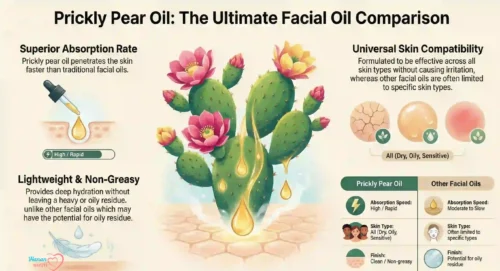
Unlike heavy creams that sit on the skin’s surface, this oil absorbs quickly and works within the skin layers to lock in hydration. Users often report that their skin feels soft and nourished without any greasy residue—a rare combination in facial oils.
Brightening Dark Spots and Hyperpigmentation
The vitamin K content in prickly pear oil, combined with its fatty acids, helps fade hyperpigmentation and even out skin tone. Vitamin K supports healthy circulation and can reduce the appearance of dark spots caused by sun damage, hormonal changes, or post-inflammatory hyperpigmentation from acne.
Over consistent use (typically 4-8 weeks), many users notice a more luminous complexion with reduced discoloration. The oil doesn’t bleach the skin but rather supports the natural cell turnover process that gradually replaces pigmented cells with fresh, evenly toned skin.
Reducing Under-Eye Circles and Puffiness
The delicate under-eye area benefits tremendously from prickly pear oil’s nourishing properties. The vitamin K helps improve circulation, which can reduce the bluish appearance of dark circles. The anti-inflammatory compounds calm puffiness, while the fatty acids provide much-needed moisture to this thin, easily dehydrated skin.
Gently patting 1-2 drops of prickly pear oil around the orbital bone before bed can transform the eye area over time. The lightweight nature of the oil means it won’t migrate into eyes or cause morning puffiness like heavier creams might.
How Prickly Pear Oil Compares to Other Facial Oils
Prickly Pear vs. Argan Oil
| Feature | Prickly Pear Oil | Argan Oil |
|---|---|---|
| Vitamin E Content | Extremely high (150% more) | High |
| Linoleic Acid | ~60% | ~35% |
| Oleic Acid | ~20% | ~45% |
| Best For | Mature, dry, sensitive skin | All skin types |
| Absorption Rate | Very fast | Moderate |
| Price Point | Premium ($60-150/oz) | Mid-range ($20-40/oz) |
While argan oil is excellent for general skincare, prickly pear oil offers superior anti-aging benefits and faster absorption. However, argan oil’s lower price point makes it more accessible for daily use.
Prickly Pear vs. Rosehip Oil
Both oils are beloved for their anti-aging properties, but they work differently. Rosehip oil contains natural retinoids (vitamin A) that promote cell turnover, making it excellent for texture issues and scarring. Prickly pear oil focuses more on antioxidant protection and barrier repair.
For those with very sensitive skin that reacts to rosehip’s mild acidity, prickly pear offers a gentler alternative with comparable brightening effects. Many skincare enthusiasts actually use both—rosehip in the evening for its regenerative properties and prickly pear in the morning for antioxidant protection.
Prickly Pear vs. Jojoba Oil
Jojoba oil technically isn’t an oil at all—it’s a liquid wax ester that closely mimics skin’s natural sebum. This makes it ideal for balancing oily skin and won’t clog pores. Prickly pear oil, while also non-comedogenic, provides more intensive anti-aging and brightening benefits.
If you’re primarily concerned with moisture balance and have oily or combination skin, jojoba might be your first choice. For mature or dry skin seeking comprehensive anti-aging support, prickly pear oil delivers more targeted benefits.
Who Should Use Prickly Pear Face Oil?
Best Skin Types for Prickly Pear Oil
Prickly pear oil’s balanced fatty acid profile makes it remarkably versatile:
- Mature skin: The high antioxidant content addresses multiple signs of aging simultaneously.
- Dry skin: Deep hydration without heaviness or greasiness.
- Sensitive skin: Anti-inflammatory properties calm redness and irritation.
- Combination skin: Lightweight texture won’t overwhelm oily zones while nourishing dry areas.
- Acne-prone skin: High linoleic acid content actually helps regulate sebum production.
The only skin types that might want to proceed cautiously are those with very oily skin who find that any oil exacerbates their condition. Even then, using just 1-2 drops mixed into a water-based moisturizer can provide benefits without overloading the skin.
Addressing Specific Skin Concerns
For hyperpigmentation: Apply prickly pear oil to dark spots twice daily, allowing it to absorb before sunscreen application. The combination of vitamins E and K works synergistically to fade discoloration.
For fine lines: Focus application on areas prone to expression lines—around the eyes, between the brows, and around the mouth. The amino acids support collagen production in these high-movement areas.
For dullness: Mix 2-3 drops into your foundation or use as a primer. The oil’s light-reflecting properties create an instant luminosity while the nutrients work to brighten skin from within.
For rosacea or redness: The anti-inflammatory compounds in prickly pear oil can help calm reactive skin. Start with patch testing and gradual introduction to ensure your skin responds well.
How to Use Prickly Pear Face Oil in Your Skincare Routine
Morning vs. Evening Application
Morning routine: Apply prickly pear oil after water-based serums but before sunscreen. Use 2-4 drops, warming between palms before pressing into skin. The antioxidants provide an extra layer of protection against environmental damage throughout the day.
Wait about 2-3 minutes for the oil to fully absorb before applying sunscreen. This prevents pilling and ensures both products work optimally. Some people prefer mixing 1-2 drops directly into their sunscreen for a dewy, protected finish.
Evening routine: After cleansing and applying any active treatments (like retinol), use prickly pear oil as your final step to seal in all the beneficial ingredients. At night, you can be slightly more generous with application since you don’t need to worry about makeup or sunscreen on top.
Layering with Other Products
The golden rule of skincare is to layer from thinnest to thickest consistency. Here’s where prickly pear oil fits:
- Cleanser.
- Toner or essence.
- Water-based serums (vitamin C, hyaluronic acid, niacinamide).
- Prickly pear oil (2-4 drops).
- Eye cream (if using a separate product).
- Moisturizer (optional—many find the oil sufficient).
- Sunscreen (morning only).
Can you mix prickly pear oil with other products? Absolutely. Add a drop to your foundation, mix with your moisturizer, or blend with other facial oils to create a custom serum. The oil plays well with most ingredients, though you might want to apply it separately from very active treatments like high-percentage retinol or AHAs to avoid potential irritation.
DIY Face Oil Blends and Recipes
Anti-Aging Power Blend:
- 10ml prickly pear seed oil.
- 5ml rosehip seed oil.
- 3 drops frankincense essential oil.
- 2 drops geranium essential oil.
Mix in a dark glass dropper bottle. Apply 3-5 drops nightly after cleansing.
Brightening Morning Serum:
- 15ml prickly pear seed oil.
- 10ml jojoba oil.
- 2 drops carrot seed essential oil.
- 1 drop lemon essential oil (use only at night if including lemon).
This blend provides antioxidant protection while promoting even skin tone.
Sensitive Skin Soother:
- 10ml prickly pear seed oil.
- 10ml calendula-infused oil.
- 2 drops German chamomile essential oil.
Perfect for calming reactive, inflamed skin without irritation.
Important note: Always patch test DIY blends before full-face application, and ensure essential oils are properly diluted. If you’re pregnant or nursing, consult with a healthcare provider before using essential oils.

Potential Side Effects and Precautions
Prickly pear face oil is generally considered safe and well-tolerated by most skin types. However, awareness of potential issues helps you use it confidently:
- Allergic reactions» Though rare, some individuals may be allergic to compounds in cactus-derived products. Always perform a patch test by applying a small amount to your inner forearm or behind your ear. Wait 24-48 hours to check for redness, itching, or irritation.
- Comedogenicity concerns» While prickly pear oil has a low comedogenic rating (around 1-2 on a scale of 0-5), everyone’s skin responds differently. If you’re highly acne-prone, introduce the oil gradually and monitor your skin’s response.
- Quality matters» Low-quality or adulterated prickly pear oil might contain additives that trigger reactions. This is another reason to purchase from reputable sources that provide third-party testing results.
- Eye irritation» Although the oil is gentle, avoid direct contact with eyes. If you’re applying around the orbital area, use a light touch and don’t get too close to the lash line.
- Medication interactions» If you’re using prescription skincare medications, particularly retinoids or photosensitizing drugs, consult your dermatologist before adding new products to your routine.
What to Look for When Buying Prickly Pear Face Oil
Quality Indicators and Certifications
Authentic, high-quality prickly pear oil should have these characteristics:
Color and appearance: Genuine prickly pear seed oil ranges from golden yellow to greenish-yellow. It should be clear or slightly cloudy, not murky. If it’s completely colorless, it might be diluted or refined to the point of nutrient loss.
Aroma: The scent should be mild, earthy, and slightly grassy—not rancid or completely odorless. A strong, unpleasant smell indicates oxidation, while no scent at all might mean heavy processing or dilution.
Certifications to seek:
- USDA Organic or equivalent certification.
- Cold-pressed or virgin designation.
- Non-GMO verification.
- Cruelty-free and vegan certification.
- Fair trade certification (ensures ethical sourcing).
Packaging: Prickly pear oil should come in dark glass bottles (amber or cobalt blue) to protect against light degradation. Avoid plastic bottles, as they can leach chemicals and don’t preserve oil quality as effectively.
Price Point Expectations
Let’s address the elephant in the room—why is prickly pear oil so expensive? Remember, it takes one ton of fruit to produce one liter of oil. This rarity is reflected in the price.
Reasonable price ranges:
- 15ml (0.5oz): $30-$60.
- 30ml (1oz): $60-$120.
- 100ml (3.4oz): $150-$300.
If you find prickly pear oil significantly below these ranges, be skeptical. It’s likely diluted with cheaper oils like jojoba or sweet almond. While there’s nothing inherently wrong with blended oils, you deserve to know exactly what you’re purchasing.
Some brands offer more affordable options by creating complexes that include prickly pear alongside other beneficial oils. These can be excellent products—just ensure the marketing is transparent about the percentage of prickly pear included.
Red Flags to Avoid
Suspiciously low prices: A 30ml bottle priced at $15-$20 is almost certainly not pure prickly pear oil.
Vague ingredient lists: The label should clearly state “Opuntia ficus-indica seed oil” or “prickly pear seed oil” as the sole or primary ingredient.
Missing production details: Reputable brands share information about sourcing, extraction methods, and origin. Vagueness might indicate questionable practices.
Plastic packaging: This suggests the brand doesn’t understand (or care about) oil preservation.
Unrealistic claims: No skincare product can “eliminate wrinkles completely” or “reverse aging.” Beware of marketing that sounds too good to be true.
The Sustainability Factor: Is Prickly Pear Oil Eco-Friendly?
In our increasingly environmentally conscious world, the sustainability of our skincare choices matters. Prickly pear cultivation offers several ecological advantages:
- Water efficiency» Prickly pear cacti are drought-resistant, requiring minimal irrigation compared to crops like almonds or avocados. In water-stressed regions, this makes them an environmentally responsible choice.
- Soil restoration» These cacti can grow in degraded soils, actually improving soil quality over time through their root systems. Some farmers use prickly pear as part of land restoration projects.
- Carbon sequestration: Like all plants, prickly pear cacti absorb CO2 from the atmosphere. Their ability to thrive in arid conditions where other crops fail makes them valuable for carbon capture in challenging environments.
- Economic sustainability: In regions where prickly pear grows naturally, harvesting provides income for local communities. Fair trade certified products ensure these communities receive equitable compensation.
- Byproduct utilization: The fruit is edible and sold separately, meaning the seeds used for oil are essentially a byproduct. This full-use approach minimizes waste.
- However, rising demand raises concerns. As prickly pear oil gains popularity, we must ensure cultivation practices remain sustainable. Support brands that transparently share their sourcing practices and maintain certifications proving their environmental and social responsibility.
Conclusion
Prickly pear face oil stands out in the crowded world of skincare as a truly exceptional botanical ingredient. Its remarkable concentration of vitamin E, balanced essential fatty acids, and powerful antioxidants make it one of nature’s most effective anti-aging oils. Whether you’re battling fine lines, seeking to brighten hyperpigmentation, or simply want to give your skin the ultimate nourishment, this desert-derived treasure delivers results that justify its premium price.
The key to success with prickly pear oil lies in choosing authentic, high-quality products and using them consistently. While it might seem like a splurge initially, remember that you need only a few drops per application—a single bottle can last several months. Consider it an investment in your skin’s long-term health and appearance.
As with any skincare product, patience is essential. Give prickly pear oil at least 4-6 weeks of consistent use before evaluating its effects. The subtle, cumulative benefits—improved texture, enhanced radiance, reduced fine lines—become more apparent over time. Your skin is your body’s largest organ and deserves the very best care. Prickly pear face oil offers a natural, scientifically supported way to achieve the healthy, glowing complexion you’re seeking.
FAQs
Q1: How long does a bottle of prickly pear face oil typically last?
A 30ml bottle of prickly pear face oil typically lasts 2-4 months with daily use, depending on how much you apply. Since you only need 2-4 drops per application, a little goes a long way. To maximize shelf life, store your oil in a cool, dark place away from direct sunlight and ensure the cap is tightly sealed after each use. Properly stored prickly pear oil maintains its potency for 12-18 months after opening.
Q2: Can I use prickly pear oil if I have acne-prone skin?
Yes, prickly pear oil is actually beneficial for acne-prone skin due to its high linoleic acid content (around 60%). Research suggests that acne-prone skin is often deficient in linoleic acid, and topical application can help balance sebum production. The oil is non-comedogenic with a low pore-clogging rating. However, everyone’s skin is different—start with a small amount and monitor how your skin responds. If you experience breakouts, reduce the frequency or amount of application.
Q3: What’s the difference between prickly pear seed oil and prickly pear fruit oil?
Prickly pear seed oil is extracted from the tiny seeds inside the fruit and contains the concentrated nutrients we’ve discussed—high vitamin E, essential fatty acids, and antioxidants. Prickly pear fruit oil (also called cactus oil) is made from the pulp and has different properties, often higher in sugars and less concentrated in the beneficial fatty acids. For facial skincare, you want the seed oil, which is why it’s more expensive and considered more effective for anti-aging purposes.
Q4: Can prickly pear oil replace my moisturizer entirely?
For some people, yes—especially those with oily or combination skin who don’t need heavy moisturization. Prickly pear oil provides hydration and locks in moisture effectively. However, if you have very dry skin or live in a harsh climate, you might benefit from applying a moisturizer over the oil to add extra humectants and occlusives. Many people use the oil as their nighttime moisturizer and pair it with a lighter lotion during the day under sunscreen. Experiment to find what works best for your skin’s needs.
Q5: Is prickly pear oil safe to use during pregnancy?
Pure prickly pear seed oil is generally considered safe during pregnancy and breastfeeding, as it’s a natural plant oil without active ingredients like retinol that should be avoided during pregnancy. However, if you’re creating DIY blends with essential oils, some of those oils (like certain herbals) should be avoided during pregnancy. Always consult with your healthcare provider before introducing new skincare products during pregnancy, especially if you have sensitive skin or any pregnancy-related skin conditions like melasma or eczema.
References:
