

- Advertisement -
Trust in Relationships | Complete Guide to Building Lasting Bonds
Trust in Relationships | Science-Backed Ways to Build It


- Advertisement -
Trust in Relationships
Think about the last time someone let you down. That sinking feeling in your stomach, the tightness in your chest, the way your mind immediately started questioning everything about that relationship. Now flip it—remember when someone came through for you in a way that mattered. That warm surge of relief, the feeling that you weren’t alone, the quiet certainty that this person had your back. That’s trust in action, and it’s the invisible thread that holds every meaningful relationship together.
Trust in relationships isn’t just a buzzword therapists throw around—it’s the invisible force that determines whether your connections thrive or merely survive. Whether you’re navigating a romantic partnership, rebuilding trust after betrayal, or trying to understand why past relationships failed, mastering the psychology of trust can transform every connection in your life.
Research shows that trust in relationships affects not only your emotional wellbeing but also your physical health, with studies linking high-trust relationships to lower cardiovascular disease risk and increased longevity. Yet despite its importance, most people struggle to define what trust actually means or how to build it intentionally.
In this comprehensive guide, you’ll discover the neuroscience behind trust, practical strategies for building it from scratch, and evidence-based approaches for rebuilding trust after it’s been broken. We’ll explore common trust killers in modern relationships, the role of social media in creating digital distrust, and why self-trust is the foundation you need before you can truly trust others.
By the time you finish reading, you’ll have actionable tools to create the secure, authentic connections you deserve—backed by scientific research and real-world psychology.
Key Topics Covered:
- The four types of trust every relationship needs
- How oxytocin and your amygdala work together to create trust responses
- Building Trust in Relationships from Scratch: A Step-by-Step Approach
- Red flags that signal someone might not be trustworthy
- The five-stage process for rebuilding trust after betrayal
- Cultural differences in how trust develops across societies
Understanding Trust: What Does It Really Mean?
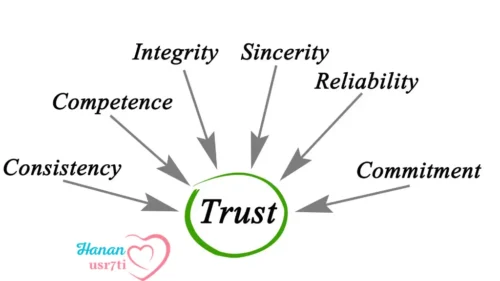
Let’s get real for a second. When we talk about trust, what are we actually discussing? It’s not about blind faith or naive optimism. Trust is a calculated risk we take based on someone’s demonstrated reliability, integrity, and care for our wellbeing over time.
The Psychology Behind Trust
Trust operates on multiple levels in our psychological framework. At its core, trust is our brain’s way of predicting future behavior based on past patterns. When someone consistently shows up for us, treats us with respect, and honors their commitments, our brain creates a neural pathway that says, “This person is safe. You can relax your guard.”
Research from the field of attachment theory shows that our capacity to trust begins forming in infancy. Children who experience consistent, responsive caregiving develop what psychologists call “secure attachment”—basically, a blueprint that tells them the world is a safe place and people can be relied upon. Those who experience neglect or inconsistent care often develop insecure attachment styles, making trust more challenging in adult relationships.
But here’s the good news: attachment styles aren’t destiny. Your brain remains remarkably plastic throughout your life, meaning you can rewire those trust pathways with new, positive experiences and intentional effort.
Types of Trust in Relationships
Not all trust is created equal. Understanding the different dimensions can help you identify where your relationships might need strengthening:
| Type of Trust | What It Means | Example |
|---|---|---|
| Reliability Trust | Confidence that someone will follow through | Your partner says they’ll pick you up at 6 PM, and they’re always there on time |
| Emotional Trust | Safety to be vulnerable without judgment | Sharing your anxiety about work without fear of being called “weak” |
| Competence Trust | Belief in someone’s abilities | Trusting your doctor’s medical judgment |
| Integrity Trust | Confidence in someone’s moral character | Believing your friend won’t gossip about you behind your back |
| Contractual Trust | Faith that spoken or unspoken agreements will be honored | Knowing your roommate will pay their half of the rent |
Why Trust Matters More Than You Think
You might be wondering, “Okay, trust is important, but is it really that big of a deal?” Short answer: absolutely. Long answer: it affects literally every aspect of your wellbeing in ways you probably haven’t even considered.
The Emotional Security Trust Provides
Trust creates psychological safety—the feeling that you can be yourself without constant fear of rejection, criticism, or abandonment. When you trust someone, your nervous system can actually relax. You’re not constantly scanning for threats or preparing for disappointment.
Think of trust like the safety net under a trapeze artist. It doesn’t mean they’ll never fall, but knowing it’s there allows them to take the risks necessary for an amazing performance. In relationships, that safety net of trust allows us to be authentic, take emotional risks, and grow together.
How Trust Affects Physical and Mental Health
Here’s where it gets fascinating. Studies have shown that people in high-trust relationships experience:
- Lower cortisol levels (that’s your stress hormone)
- Better sleep quality (because you’re not lying awake worrying)
- Stronger immune function (less stress means better disease resistance)
- Lower rates of depression and anxiety
- Longer life expectancy (yes, really!)
A landmark study published in the journal Psychosomatic Medicine found that people who reported high levels of trust in their relationships had significantly lower risk of cardiovascular disease. Your heart literally benefits from trusting relationships—how’s that for poetic?
The Neuroscience of Trust: What Happens in Your Brain
Let’s dive into the fascinating world of what’s happening upstairs when you trust someone. Your brain is constantly making split-second calculations about who’s safe and who’s not, and it’s doing it through a complex chemical and electrical dance.
Oxytocin and the Trust Response
You’ve probably heard of oxytocin—it’s often called the “love hormone” or “cuddle chemical.” But oxytocin is more accurately described as the trust molecule. When you engage in positive social interactions—hugging, meaningful conversation, acts of kindness—your brain releases oxytocin, which then makes you more likely to trust and connect with others.
According to research from the Claremont Graduate University, oxytocin levels rise when we perceive trustworthy signals from others, creating a positive feedback loop. You trust someone, your oxytocin goes up, which makes you feel good about them, which makes you trust them more, which releases more oxytocin. It’s nature’s way of reinforcing social bonds.
The Amygdala’s Role in Trust and Fear
On the flip side, your amygdala—the brain’s alarm system—is constantly watching for danger signals. When someone violates your trust, your amygdala lights up like a Christmas tree, flooding your system with stress hormones and creating what we call a “trust wound.”
These wounds can be surprisingly persistent. Your amygdala has an excellent memory for threats, which is why betrayal can make you hypervigilant in future relationships. Someone who’s been cheated on might find themselves checking their new partner’s phone, even if that partner has given them no reason to doubt. That’s the amygdala doing its job—perhaps a bit too well.
Building Trust in Relationships from Scratch: A Step-by-Step Approach
So how do you actually build trust? It’s not something that happens overnight, and there’s no magic formula. But there are proven strategies that work consistently across all types of relationships.
Consistency: The Backbone of Trust
Trust isn’t built in grand gestures—it’s built in the mundane, everyday moments. Showing up when you say you will. Responding to texts within a reasonable timeframe. Remembering the small details your partner mentioned last week.
Consistency creates predictability, and predictability creates safety. Your brain stops having to work so hard to figure out what to expect, and it can relax into the relationship.
Vulnerability: Opening Up to Build Connection
This one might sound counterintuitive. How does making yourself vulnerable build trust? Shouldn’t you wait until trust is established before opening up?
Actually, vulnerability and trust work together in a reciprocal dance. Research by Brené Brown has shown that vulnerability is not a weakness but a catalyst for connection. When you share something authentic about yourself—a fear, a failure, a hope—you’re essentially saying, “I trust you with this piece of me.” That invitation often prompts the other person to reciprocate, creating a deepening spiral of trust and intimacy.
Reliability: Following Through on Promises
This should be obvious, but it’s worth stating explicitly: do what you say you’re going to do. Every time you keep a promise—even a small one—you make a deposit in the trust bank. Every time you break one, you make a withdrawal.
♦ Small Actions That Build Big Trust
- Remembering important dates and events without having to be reminded
- Asking follow-up questions about things the other person has shared with you
- Admitting when you’re wrong instead of deflecting or making excuses
- Keeping confidences that have been shared with you
- Showing up during difficult times, not just when things are fun and easy
- Being honest even when it’s uncomfortable
- Making amends when you mess up instead of just apologizing
Common Trust Killers in Modern Relationships
Let’s talk about the things that erode trust faster than water erodes stone. Some of these might surprise you because they don’t look like “betrayal” in the traditional sense.
Digital Distrust: Social Media and Privacy Issues
We’re living in unprecedented times when it comes to relationship transparency. Should you share your phone password? Is it okay to follow your ex on Instagram? What about liking someone’s thirst trap photos?
Social media has created new minefields for trust. The problem isn’t the technology itself—it’s the ambiguity around expectations and boundaries. One person might think liking photos is harmless, while their partner sees it as a form of micro-cheating.
The solution? Explicit conversations about digital boundaries. Don’t assume you’re on the same page—have the sometimes awkward discussion about what’s okay and what crosses a line for each of you.
Micromanagement and Control
Nothing says “I don’t trust you” quite like constantly checking up on someone, questioning their decisions, or trying to control their behavior. Whether it’s a romantic partner tracking your location obsessively or a friend who needs to know every detail of your day, excessive control masquerading as care is toxic.
Trust requires a certain amount of autonomy. You have to be willing to let people be themselves, make their own choices, and yes, even make mistakes sometimes.
Unresolved Past Traumas
Here’s an uncomfortable truth: sometimes the trust issues in your current relationship have nothing to do with your current partner. If you’ve been deeply betrayed in the past and haven’t processed that trauma, you might be bringing those trust deficits into new relationships where they don’t belong.
This isn’t about blame—trauma responses are real and valid. But it is about taking responsibility for healing so your past doesn’t sabotage your present.
Rebuilding Trust After Betrayal: Is It Possible?
Let’s address the question everyone wants answered: can you really rebuild trust after it’s been shattered? The answer is complicated: sometimes yes, sometimes no, and it depends on multiple factors.
The Five Stages of Trust Recovery
If you’re committed to rebuilding trust after betrayal, here’s what the process typically looks like:
1. Acknowledgment and Full Disclosure The person who broke trust must fully acknowledge what they did, without minimizing, justifying, or deflecting. Half-truths and trickle truth (revealing information bit by bit) only cause further damage.
2. Genuine Remorse and Apology This goes beyond saying “I’m sorry you’re hurt.” It requires taking ownership of the specific harm caused and expressing authentic remorse.
3. Behavioral Change Words mean nothing without action. The person who broke trust must demonstrate through consistent behavior over time that they’ve changed.
4. Rebuilding Through Transparency This phase often involves increased transparency—shared passwords, checking in more frequently, being open about whereabouts. While this shouldn’t be permanent, it’s often necessary in the rebuilding phase.
5. Gradual Restoration Trust comes back slowly, in layers. The betrayed person needs time to observe new patterns and allow their nervous system to recalibrate.
When Forgiveness Doesn’t Mean Forgetting
You can forgive someone for breaking your trust without forgetting what happened or returning to the way things were. Forgiveness is about releasing the poison of resentment for your own wellbeing, not necessarily about reconciliation.
Sometimes the healthiest choice is to forgive from a distance and move on.
♦ Professional Help: When to Seek Therapy
If you’re struggling to rebuild trust, consider working with a couples therapist or individual counselor who specializes in betrayal trauma. Some situations are simply too complex to navigate alone, and there’s no shame in getting professional support.
Trust in Different Relationship Types
Trust looks different depending on the type of relationship you’re in. Let’s break down the nuances.

Romantic Relationships
In romantic partnerships, trust encompasses fidelity, emotional availability, financial transparency, and shared decision-making. You’re trusting someone with your heart, your body, your future, and often your finances.
The stakes are high, which is why betrayal in romantic relationships can be so devastating. You’re not just losing trust in a person—you’re losing trust in your judgment, your ability to predict the future, maybe even your belief that lasting love is possible.
Family Dynamics
Family trust is complicated because you don’t choose your relatives. You might love them deeply while simultaneously struggling to trust them based on past experiences.
Family trust issues often stem from childhood experiences—parents who weren’t reliable, siblings who betrayed confidences, or extended family who created division. Healing these wounds often requires setting clear boundaries while working on forgiveness.
Friendships
We sometimes underestimate how much trust factors into friendships. Can you trust your friend to show up when you need them? Will they keep your secrets? Do they have your back when you’re not in the room?
Friendship trust is often tested during life transitions. Who’s still there when you move to a new city? When you have a baby? When you’re going through a divorce? Those are the friends worth keeping.
Professional Relationships
In work settings, trust relates to competence, discretion, and reliability. Can you trust your colleague to deliver on their part of the project? Will your boss advocate for you behind closed doors? Does your team have your back when things go wrong?
Professional trust violations can be career-limiting, which is why it’s crucial to build a reputation as someone trustworthy in your field.

The Role of Communication in Building Trust
You can’t have trust without communication—they’re inseparable. But not all communication builds trust. Let’s talk about what does.
Active Listening vs. Passive Hearing
There’s a massive difference between hearing words and actually listening with the intent to understand. Active listening means:
- Putting away your phone and giving full attention
- Asking clarifying questions instead of making assumptions
- Reflecting back what you’ve heard to ensure understanding
- Validating feelings even if you don’t agree with the perspective
- Not interrupting with your own story or solution
When someone feels truly heard, trust deepens automatically.
Expressing Needs Without Blame
“You never listen to me!” vs. “I feel unheard when I’m talking and you’re looking at your phone. Could we try having conversations without screens present?”
See the difference? The first creates defensiveness and erodes trust. The second clearly states the need and offers a solution, creating space for connection.
Learning to communicate needs without blame is one of the most trust-building skills you can develop.
Self-Trust: The Missing Piece of the Puzzle
Here’s something most articles about relationship trust completely miss: you can’t truly trust others if you don’t trust yourself.
Why You Can’t Trust Others Without Trusting Yourself
Self-trust means:
- Trusting your perceptions and intuition
- Believing you can handle disappointment if trust is broken
- Having confidence in your judgment about people
- Knowing you’ll honor your own boundaries
- Trusting that you’ll survive if a relationship ends
When you don’t trust yourself, you either become clingy and controlling (because you don’t trust yourself to be okay if abandoned) or you push everyone away preemptively (because you don’t trust your judgment about who’s safe).
Building Inner Confidence
Building self-trust is a practice:
- Keep promises to yourself (if you say you’ll work out, work out)
- Listen to your intuition and honor what it’s telling you
- Process past mistakes without harsh self-judgment
- Develop competence in areas that matter to you
- Practice self-compassion when you fall short
Cultural Differences in Trust Development
Trust doesn’t develop the same way across all cultures. In some cultures, trust is extended more readily to strangers and must be actively broken. In others, trust must be earned slowly over time through repeated demonstrations of reliability.
Understanding these cultural frameworks can prevent misunderstandings in cross-cultural relationships. Someone from a high-trust culture might seem naive to someone from a low-trust culture, while the person from the low-trust culture might seem cold and suspicious to the other.
Neither approach is right or wrong—they’re just different frameworks for managing social risk.
Red Flags: When Trust Should Be Questioned
Not everyone deserves your trust, and discernment is not the same as cynicism. Here are legitimate red flags that suggest someone might not be trustworthy:
- Chronic lying, even about small things
- Refusing to take accountability for their actions
- Pattern of broken promises without adequate explanation or change
- Gossiping excessively about others
- Gaslighting—making you question your own perceptions
- Inconsistency between words and actions
- Violating confidences you’ve shared
- Blaming everyone else when things go wrong
- Love bombing followed by withdrawal
- Isolation tactics that separate you from support systems
Trust your gut. If something feels off, investigate rather than suppress that intuition.
The Long-Term Benefits of Trustworthy Relationships
When you invest in building trust, the returns compound over time:
- Deeper intimacy and connection that only comes from years of reliability
- Reduced stress and anxiety in your daily life
- Resilience during difficult times because you have people you can lean on
- Better physical health from lower chronic stress levels
- Increased life satisfaction and happiness
- A secure base from which to take healthy risks and grow
- Modeling healthy relationships for children or others in your life
- Reduced loneliness and increased sense of belonging
Trust is the infrastructure upon which meaningful life is built.
Conclusion
Trust isn’t just a nice-to-have in relationships—it’s the oxygen that keeps them alive. Without it, even the most passionate love withers, the closest friendships grow distant, and family bonds feel like obligations rather than sources of strength.
Building trust is slow work. It happens in small, consistent moments rather than grand gestures. It requires vulnerability, honesty, reliability, and the courage to show up as your authentic self even when it’s scary. But the payoff—deep, secure, resilient relationships that make life worth living—is absolutely worth the investment.
Whether you’re building trust from scratch, rebuilding after betrayal, or maintaining the trust you’ve already established, remember this: trust is a verb, not a noun. It’s something you do through your daily actions, not something you declare and then take for granted.
Start where you are. Be consistent. Be honest. Be kind. Show up. Follow through. Listen. Apologize when you mess up. Celebrate when trust deepens. The relationships built on this foundation will carry you through life’s inevitable storms.
Frequently Asked Questions
1. How Long Does It Take to Rebuild Trust in a Relationship After Cheating?
There’s no universal timeline, but most therapists suggest it takes a minimum of 1-2 years of consistent, trustworthy behavior to rebuild trust after infidelity. Some people never fully recover the same level of trust they had before, while others eventually build something even stronger. The key factors are the betrayer’s willingness to do the work, the betrayed partner’s ability to process the trauma, and both people’s commitment to the relationship.
2. Can you have a healthy relationship if you have trust issues from past trauma?
Yes, but it requires self-awareness and active work on your part. Your trust issues are understandable given your history, but they’re your responsibility to manage. This might mean therapy, honest conversations with your partner about your triggers, and consciously choosing to respond to the present relationship rather than past wounds. A patient, understanding partner can help, but they can’t heal your trauma for you.
3. What’s the difference between healthy caution and trust issues?
Healthy caution means observing someone’s behavior over time before becoming vulnerable, setting appropriate boundaries, and trusting your intuition when something feels off. Trust issues mean assuming betrayal is inevitable, creating tests or traps to “catch” people being untrustworthy, or refusing to be vulnerable even when someone has consistently demonstrated reliability. One protects you; the other isolates you.
4. Is it possible to trust someone too much?
Yes. Blind trust that ignores red flags or consistent problematic behavior isn’t trust—it’s denial. Healthy trust is based on evidence and adjusts when new information suggests it’s misplaced. If you find yourself explaining away concerning behaviors, making excuses for someone, or ignoring your gut feelings because you “should” trust them, you might be trusting unwisely.
5. How do you know if trust has been completely destroyed in a relationship?
Signs that trust might be beyond repair include: constant hypervigilance and anxiety around the person, inability to feel safe or relaxed in their presence, chronic resentment that doesn’t diminish with time, repeated violations of newly set boundaries, or a fundamental change in how you view the person’s character. Sometimes the healthiest choice is acknowledging that too much damage has been done and moving on, even if you still care about the person.
Scientific References:
- Psychosomatic Medicine Journal – “Trust and Cardiovascular Health: Social Connection and Disease Risk” – https://journals.lww.com/psychosomaticmedicine/
- Claremont Graduate University – Dr. Paul Zak’s Research on Oxytocin and Trust – https://www.cgu.edu/people/paul-zak/
- The Gottman Institute – Research on Trust and Relationship Stability – https://www.gottman.com/
thanks for info.