

- Advertisement -
Mustard Seed Oil for Skin | Benefits, Uses &, Complete Guide 2026
Mustard Seed Oil for Skin | Transform Your Complexion Naturally

- Advertisement -
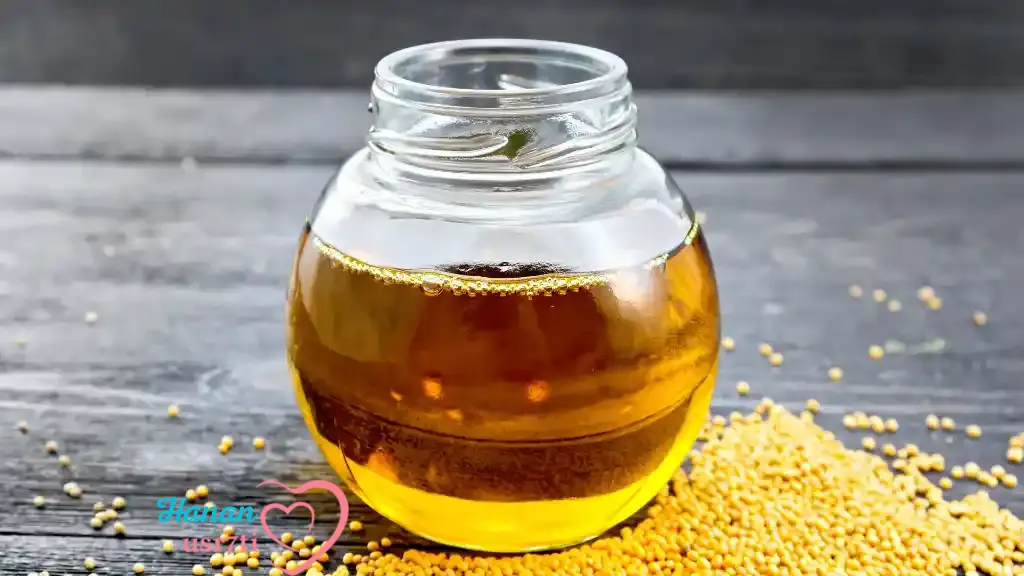
Are you searching for a natural skincare solution that delivers real results without breaking the bank? Mustard seed oil might just be the hidden gem you’ve been overlooking. While coconut oil and argan oil have dominated the natural beauty conversation, this powerful traditional oil has been quietly transforming skin for centuries across South Asia and beyond. In this comprehensive guide, we’ll explore everything you need to know about using mustard seed oil for skin—from its impressive nutritional profile to practical application methods that work for every skin type.
What is Mustard Seed Oil?
Mustard seed oil is a vegetable oil extracted from the seeds of the mustard plant, primarily from three varieties: black mustard (Brassica nigra), brown mustard (Brassica juncea), and white mustard (Sinapis alba). This golden-yellow oil has been a staple in traditional medicine systems like Ayurveda for thousands of years, valued not just for culinary purposes but for its remarkable therapeutic properties.
Origins and Extraction Process
The extraction of mustard seed oil dates back to ancient civilizations in India, Rome, and Greece. Today, the oil is primarily produced in India, Bangladesh, and Pakistan, where it remains an integral part of daily life. The extraction process typically involves two methods:
Cold-pressed extraction: Seeds are mechanically pressed without heat, preserving maximum nutrients and bioactive compounds. This method produces oil with a stronger pungent aroma and retains more of the natural compounds beneficial for skin health.
Refined extraction: Seeds undergo heat treatment and solvent extraction, resulting in a milder-flavored oil with lighter color. While this process removes some nutrients, it also reduces the pungency that some people find overwhelming.
Types of Mustard Seed Oil
When shopping for mustard seed oil for skincare purposes, you’ll encounter two main categories:
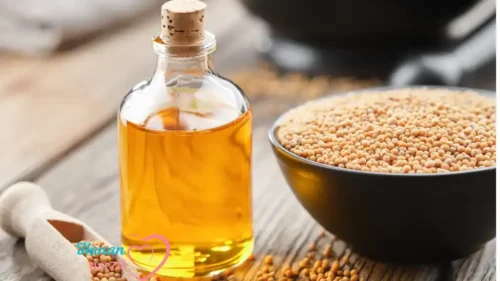
Pure mustard seed oil: This is the edible-grade oil suitable for both culinary and topical use. It contains all the natural compounds, including allyl isothiocyanate, which gives it the characteristic sharp aroma.
Essential mustard oil: This is a concentrated volatile oil obtained through steam distillation. It’s extremely potent and should always be diluted before skin application. Due to its high concentration of potentially irritating compounds, it’s typically used in very small amounts mixed with carrier oils.
Nutritional Composition of Mustard Seed Oil
Understanding what makes mustard seed oil effective for skin requires looking at its impressive nutritional profile. This oil isn’t just another pretty bottle on your vanity—it’s packed with compounds that actively work to improve your skin’s health.
Essential Fatty Acids
Mustard seed oil contains an exceptional balance of fatty acids that mirror what your skin needs:
- Oleic acid (Omega-9): Comprising approximately 20-25% of the oil, this monounsaturated fatty acid penetrates deeply into skin layers, delivering moisture and reducing inflammation.
- Linoleic acid (Omega-6): Making up about 15-20%, this essential fatty acid strengthens the skin barrier and helps retain moisture.
- Erucic acid (Omega-9): At 40-50% concentration, this unique fatty acid provides antimicrobial benefits and helps soften skin.
- Alpha-linolenic acid (Omega-3): Present at 8-12%, this fatty acid reduces inflammatory skin conditions and promotes healing.
Vitamins and Minerals
Mustard seed oil is a treasure trove of skin-loving vitamins:
| Nutrient | Skin Benefit | Concentration |
|---|---|---|
| Vitamin E | Powerful antioxidant that fights free radicals and prevents premature aging | 15-20 mg per 100g |
| Vitamin A | Promotes cell turnover and collagen production | Moderate levels |
| Vitamin K | Reduces dark circles and improves skin elasticity | Present in trace amounts |
| Beta-carotene | Protects against UV damage and improves skin tone | Rich concentration |
| Selenium | Enhances skin elasticity and protects against oxidative stress | Trace minerals |
Bioactive Compounds
What truly sets mustard seed oil apart are its unique bioactive compounds:
Allyl isothiocyanate: This sulfur-containing compound gives mustard its characteristic pungency while providing powerful antimicrobial and anti-inflammatory properties. Research has shown it effective against various skin pathogens.
Glucosinolates: These natural compounds break down into beneficial substances that protect skin cells from damage and support detoxification processes.
Phytosterols: These plant compounds help reduce inflammation and support skin barrier function, making them particularly valuable for sensitive or compromised skin.
Science-Backed Benefits of Mustard Seed Oil for Skin
Let’s cut through the marketing hype and look at what science actually tells us about mustard seed oil’s effects on skin health. The research might surprise you.
Deep Moisturization and Hydration
Think of your skin as a brick wall—the cells are the bricks, and lipids are the mortar holding everything together. Mustard seed oil’s fatty acid profile makes it an excellent “mortar” for your skin barrier. The high oleic acid content allows it to penetrate beyond the surface layer, delivering hydration where it’s actually needed rather than just sitting on top.
A study published in the Journal of Cosmetic Dermatology found that oils rich in oleic acid significantly improved skin hydration levels after just two weeks of consistent use. Users reported skin that felt softer, looked plumper, and showed reduced flaking.
Key hydration benefits:
- Locks in moisture for up to 8 hours.
- Reduces transepidermal water loss (TEWL).
- Improves skin’s natural lipid barrier.
- Provides relief from dry, tight-feeling skin.
Anti-Aging Properties
Here’s where mustard seed oil really shines. The combination of vitamin E, beta-carotene, and essential fatty acids creates a powerful anti-aging cocktail that works on multiple fronts.
Vitamin E acts as your skin’s personal bodyguard, neutralizing free radicals before they can damage collagen and elastin fibers. Beta-carotene converts to vitamin A in your body, stimulating cell turnover and keeping your complexion fresh and youthful.
Research from the International Journal of Molecular Sciences demonstrates that topical application of vitamin E-rich oils can reduce the appearance of fine lines and improve skin texture over time. The key is consistency—these aren’t overnight miracles, but gradual improvements that compound over weeks and months.
Anti-aging effects include:
- Reduced appearance of fine lines and wrinkles.
- Improved skin elasticity and firmness.
- Protection against photo-aging from UV exposure.
- Enhanced collagen production.
- Brighter, more even complexion.
Natural Antibacterial and Antifungal Benefits
Got acne? Dealing with fungal infections? Mustard seed oil’s antimicrobial properties make it a natural warrior against various skin pathogens. The allyl isothiocyanate compound has demonstrated effectiveness against bacteria like Staphylococcus aureus and fungi like Candida albicans—common culprits in skin infections.
A study in the Journal of Applied Microbiology confirmed that mustard oil shows significant antimicrobial activity, which explains its traditional use in treating skin infections and wounds. However, it’s important to note that while it can support skin health, it shouldn’t replace medical treatment for serious infections.
Skin Brightening and Even Tone
Dealing with dark spots, hyperpigmentation, or an uneven complexion? The combination of vitamin E, beta-carotene, and fatty acids in mustard seed oil works to gradually fade dark spots and promote a more uniform skin tone.
The mechanism is twofold: First, the antioxidants protect against further pigmentation by neutralizing free radicals that trigger melanin production. Second, the vitamin A activity encourages cell turnover, helping to shed pigmented cells and reveal fresher skin underneath.
Treatment for Skin Conditions
Traditional medicine has long used mustard seed oil for various skin conditions, and modern research is beginning to validate these uses:
Eczema and psoriasis: The anti-inflammatory fatty acids help reduce the redness, itching, and scaling associated with these conditions. The oil’s occlusive properties also prevent moisture loss, which is crucial for managing these disorders.
Rashes and irritation: The cooling sensation and anti-inflammatory properties provide relief from minor skin irritations, including heat rash and contact dermatitis.
Dry, cracked skin: The deep moisturizing effect helps heal severely dry patches, particularly on hands, feet, and elbows.
Note: While mustard seed oil can support skin health, anyone with diagnosed skin conditions should consult with a dermatologist before incorporating new treatments.
How Mustard Seed Oil Works on Different Skin Types
Not all skin is created equal, and what works beautifully for your friend might spell disaster for you. Let’s break down how mustard seed oil performs across different skin types.
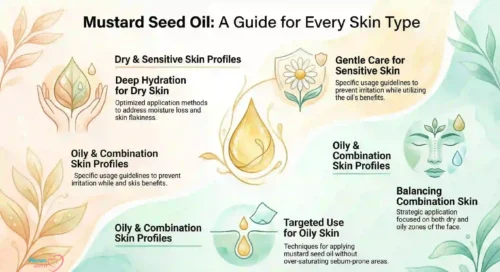
Mustard Oil for Dry Skin
If your skin constantly feels tight, flaky, or looks dull, mustard seed oil could become your new best friend. The high concentration of oleic acid makes it particularly effective for dry skin types that struggle to retain moisture.
How to use: Apply a few drops to damp skin after cleansing, morning and night. The water helps the oil spread evenly and locks in additional moisture. Focus on particularly dry areas like cheeks, around the nose, and the jawline.
Expected results: Within one to two weeks, you should notice softer, more supple skin with reduced flaking. The oil creates a protective barrier that prevents moisture loss throughout the day.
Mustard Oil for Oily and Acne-Prone Skin
Wait—putting oil on oily skin? It sounds counterintuitive, but hear me out. The concept of “like dissolves like” applies here. Using the right oil can actually help regulate sebum production rather than exacerbate oiliness.
Mustard seed oil’s antibacterial properties make it particularly suitable for acne-prone skin. It fights acne-causing bacteria while the linoleic acid helps unclog pores and reduce inflammation.
How to use: Use sparingly—2-3 drops for your entire face is plenty. Apply to clean, slightly damp skin in the evening. Always patch test first, as some acne-prone skin can be sensitive to the oil’s pungency.
Important caveat: If you have active, inflamed acne, proceed with caution. The oil works best for preventing breakouts and treating mild acne rather than severe cystic acne, which requires medical treatment.
Mustard Oil for Sensitive Skin
Sensitive skin requires extra caution with any new product, and mustard seed oil is no exception. While it has anti-inflammatory properties that can soothe irritation, the allyl isothiocyanate compound can potentially trigger reactions in very sensitive individuals.
How to approach: Always perform a 48-hour patch test on your inner forearm before applying to your face. If you have highly reactive skin, consider mixing mustard oil with gentler carrier oils like jojoba or sweet almond oil in a 1:3 ratio to dilute its potency.
Watch for: Any signs of redness, burning, or increased sensitivity. If these occur, discontinue use immediately.
Mustard Oil for Combination Skin
Combination skin—oily T-zone, dry cheeks—presents a unique challenge. The good news is that mustard seed oil’s balanced fatty acid profile makes it surprisingly versatile for this skin type.
Strategic application: Apply more generously to dry areas (cheeks, around eyes) and sparingly to oily zones (forehead, nose, chin). This targeted approach gives each area what it needs without overwhelming any zone.

Practical Ways to Use Mustard Seed Oil for Skin Care
Theory is great, but let’s get practical. Here’s how to actually incorporate mustard seed oil into your skincare routine in ways that deliver real results.
Daily Moisturizing Routine
Morning routine:
- Cleanse your face with your regular cleanser.
- Apply toner if you use one.
- While skin is still slightly damp, warm 2-3 drops of mustard seed oil between your palms.
- Gently press into your face and neck using upward motions.
- Wait 2-3 minutes before applying sunscreen or makeup.
Evening routine:
- Double cleanse to remove makeup and daily grime.
- Apply any treatment serums.
- Use 3-4 drops of mustard seed oil as your final moisturizing step.
- Gently massage in circular motions to promote absorption and circulation.
Pro tip: Mix one drop of mustard oil with your regular moisturizer if you’re nervous about using it straight. This gives you the benefits without the intensity.
Face Masks and Treatments
Mustard seed oil supercharges face masks by helping other ingredients penetrate more effectively. Here’s how to create targeted treatments:
Weekly deep moisture mask:
- 1 tablespoon mustard seed oil.
- 1 tablespoon honey.
- 1 teaspoon aloe vera gel.
Mix ingredients, apply to clean skin, leave for 15-20 minutes, rinse with lukewarm water. Your skin will feel incredibly soft and plump.
Clarifying mask for congested skin:
- 1 teaspoon mustard seed oil.
- 2 teaspoons bentonite clay.
- Enough rose water to make a paste.
Apply to clean skin, leave until almost dry (about 10 minutes), rinse thoroughly. This draws out impurities while the oil prevents over-drying.
Body Massage Oil
Mustard seed oil has been used for centuries in Ayurvedic massage therapy, and for good reason. The warming sensation increases circulation, while the oil deeply moisturizes large areas of skin.
How to use for body massage:
- Warm the oil slightly by placing the bottle in hot water for a few minutes.
- Apply generously to dry skin before showering.
- Massage in circular motions, paying extra attention to dry areas like elbows, knees, and feet.
- Leave on for 10-15 minutes if possible.
- Shower with mild soap—some oil will remain, providing lasting moisture.
Best for: Dry winter skin, improving skin texture on arms and legs, and creating a relaxing self-care ritual.
Spot Treatment for Problem Areas
Got specific problem spots? Mustard seed oil can be used as a targeted treatment:
Dark circles: Mix equal parts mustard oil and almond oil, gently pat under eyes before bed. The vitamin K helps reduce discoloration.
Cracked heels: Apply generously to clean, dry feet, cover with cotton socks overnight. Repeat nightly for one week for dramatic improvement.
Dark elbows and knees: Rub oil into these areas daily after showering while skin is still slightly damp.
Stubborn dry patches: Apply a thick layer to problem areas, cover with a warm, damp cloth for 10 minutes to help penetration.
DIY Mustard Seed Oil Recipes for Glowing Skin
Ready to get creative? These DIY recipes harness mustard seed oil’s power while combining it with other beneficial ingredients for maximum impact.
Mustard Oil and Turmeric Face Mask
This traditional combination is beloved in South Asian beauty rituals for its brightening and clarifying properties.
Ingredients:
- 1 teaspoon mustard seed oil.
- ½ teaspoon turmeric powder.
- 1 tablespoon plain yogurt.
- ½ teaspoon honey.
Instructions:
- Mix all ingredients in a small bowl until smooth.
- Apply evenly to clean, dry face, avoiding the eye area.
- Leave on for 10-15 minutes (not longer—turmeric can temporarily stain).
- Rinse with lukewarm water, then cool water.
- Follow with your regular moisturizer.
Benefits: Brightens dull skin, reduces inflammation, evens out skin tone, and provides gentle antibacterial action. Use once or twice weekly.
Warning: Turmeric can temporarily tint fair skin yellow. Test on a small area first, and don’t use right before important events.
Mustard Oil Anti-Aging Serum
Create your own luxury serum at a fraction of store-bought prices with this simple recipe.
Ingredients:
- 2 tablespoons mustard seed oil.
- 1 tablespoon rosehip seed oil.
- 5 drops carrot seed essential oil.
- 5 drops frankincense essential oil.
- 2 capsules vitamin E oil.
Instructions:
- Combine all ingredients in a small, dark glass bottle.
- Shake well before each use.
- Apply 3-4 drops to clean skin every evening.
- Gently press into face and neck.
Benefits: This potent combination targets multiple signs of aging—fine lines, loss of firmness, and dull complexion. The rosehip oil adds additional vitamin A, while the essential oils provide concentrated antioxidants.
Shelf life: Keeps for up to 3 months when stored in a cool, dark place.
Exfoliating Body Scrub
Combine mustard seed oil’s moisturizing properties with physical exfoliation for smooth, glowing skin all over.
Ingredients:
- ½ cup mustard seed oil.
- 1 cup raw sugar or sea salt (sugar for sensitive skin, salt for extra exfoliation).
- 1 tablespoon honey.
- 10 drops essential oil of choice (lavender, citrus, or eucalyptus work well).
Instructions:
- Mix all ingredients in a jar with a tight-fitting lid.
- In the shower, apply to damp skin using circular motions.
- Focus on rough areas—elbows, knees, heels, backs of arms.
- Rinse thoroughly.
- Pat skin dry—you’ll notice it feels incredibly soft.
Benefits: Removes dead skin cells, reveals brighter skin, improves product absorption, and leaves a lasting moisturizing layer.
Usage: Use 1-2 times per week. Store in a cool, dry place, and always use a clean spoon to scoop out product to prevent contamination.
Potential Side Effects and Precautions
Let’s be real—no skincare ingredient is perfect for everyone. While mustard seed oil offers impressive benefits, it’s important to understand potential drawbacks and how to use it safely.
Patch Testing Guidelines
Never skip this step, no matter how excited you are to try something new. Mustard seed oil contains potent compounds that can cause reactions in sensitive individuals.
Proper patch testing method:
- Clean a small area on your inner forearm with mild soap and water.
- Apply a small amount of mustard seed oil to a 1-inch square area.
- Cover with a bandage if desired.
- Leave undisturbed for 24-48 hours.
- Check for any signs of reaction: redness, itching, burning, swelling, or rash.
If you experience any reaction: Remove immediately, wash with cool water and mild soap, apply a soothing cream like aloe vera, and do not use the oil on your face or body.
If no reaction occurs: You’re good to proceed with use, but still start slowly—don’t immediately drench your entire face in the oil.
Who Should Avoid Mustard Seed Oil
While generally safe for most people, certain individuals should exercise extra caution or avoid mustard seed oil altogether:
Avoid if you have:
- Known allergy to mustard, cabbage, or other Brassica family plants.
- Extremely sensitive skin that reacts to most products.
- Open wounds, cuts, or severely compromised skin barrier.
- Active inflammatory skin conditions without dermatologist approval.
- History of contact dermatitis.
Use with caution if you have:
- Rosacea (the warming sensation might trigger flares).
- Perioral dermatitis.
- Very fair, thin skin prone to redness.
- Pregnancy (consult your doctor first, though topical use is generally considered safe).
Safe Application Practices
Following these guidelines will help you get the benefits while minimizing risk:
Do:
- Start with small amounts and gradually increase.
- Always apply to damp, not wet, skin for better absorption.
- Use cold-pressed, pure mustard seed oil for skincare.
- Store in a cool, dark place away from heat and light.
- Check expiration dates—rancid oil can irritate skin.
- Warm the oil slightly before use for enhanced absorption.
Don’t:
- Apply to broken or irritated skin.
- Use undiluted essential mustard oil (always dilute in carrier oil).
- Expect overnight miracles—give it 4-6 weeks for noticeable results.
- Use excessively—more doesn’t mean better results.
- Apply too close to eyes—the pungency can cause irritation.
- Mix with products containing retinol or strong acids initially.
If irritation occurs: Stop use immediately, cleanse the area gently, apply a cool compress, and use a simple, fragrance-free moisturizer. If severe reaction persists beyond 24 hours, consult a healthcare provider.
Mustard Seed Oil vs. Other Natural Oils for Skin
How does mustard seed oil stack up against the popular natural oils currently dominating the beauty market? Let’s compare.
| Feature | Mustard Seed Oil | Coconut Oil | Argan Oil | Jojoba Oil | Rosehip Oil |
|---|---|---|---|---|---|
| Fatty acid profile | High oleic & erucic | High saturated fats | High oleic | Similar to sebum | High linoleic |
| Best for skin type | Dry, combination | Dry (can clog pores) | All types | All types | Oily, aging |
| Comedogenic rating | 2-3 (moderate) | 4 (high) | 0 (won’t clog) | 2 (low) | 1 (very low) |
| Antibacterial properties | Strong | Moderate | Moderate | Moderate | Mild |
| Anti-aging benefits | Excellent | Good | Excellent | Moderate | Excellent |
| Penetration | Deep | Surface-level | Deep | Deep | Deep |
| Price point | Low | Low | High | Medium | High |
| Aroma | Strong, pungent | Sweet, tropical | Mild, nutty | Mild | Mild, earthy |
The verdict: Mustard seed oil offers comparable benefits to much pricier options, with particularly strong antibacterial properties and deep moisturization. However, its pungent aroma and higher comedogenic rating mean it’s not ideal for everyone. For acne-prone skin, jojoba or rosehip might be better choices. For dry, mature skin seeking anti-aging benefits on a budget, mustard seed oil is hard to beat.
How to Choose Quality Mustard Seed Oil
Not all mustard seed oils are created equal. Here’s what to look for when shopping to ensure you’re getting a product that will actually benefit your skin.
Look for these quality indicators:
Cold-pressed or expeller-pressed: These methods preserve the maximum nutritional content without chemical extraction. The label should explicitly state the extraction method.
Organic certification: Ensures the mustard seeds were grown without pesticides that could remain in the oil and irritate your skin.
Dark glass or metal container: These materials protect the oil from light exposure, which degrades beneficial compounds. Avoid products in clear plastic bottles.
Ingredient list: Should contain only one ingredient—100% pure mustard seed oil. No additives, fragrances, or preservatives.
Origin: Look for oil from India, Bangladesh, or Pakistan, where mustard cultivation and oil production have centuries of refinement.
Color and consistency: High-quality mustard seed oil should be golden yellow to amber in color and have a thin, flowing consistency at room temperature.
Aroma: Fresh mustard seed oil has a sharp, pungent aroma. If it smells rancid, musty, or has no smell at all, it’s likely old or highly refined.
Price point: While it shouldn’t be expensive, extremely cheap oil might indicate poor quality or excessive processing. Expect to pay $8-15 for a good quality 8-ounce bottle.
Brands to consider: Research brands with good reputations in South Asian communities, as these markets have high standards for mustard oil quality. Read reviews specifically mentioning skincare use.
What to avoid:
- Labels saying “for external use only” without explanation (might be essential oil, not pure seed oil).
- Refined or highly processed oils for skincare purposes.
- Products with long lists of added ingredients.
- Mustard oil blends unless you specifically want a diluted version.
Storage and Shelf Life Tips
Proper storage extends your mustard seed oil’s effectiveness and prevents it from going rancid, which can actually harm your skin.
Optimal storage conditions:
- Keep in a cool, dark place—ideally between 55-70°F.
- Away from direct sunlight and heat sources.
- Tightly sealed when not in use to minimize oxygen exposure.
- In the original dark glass bottle or transfer to amber glass.
- Away from humid environments like bathrooms (store in a bedroom drawer instead).
Shelf life expectations:
- Unopened, 12-18 months from production date.
- Opened, 6-8 months with proper storage.
- Refrigerated, Can extend up to 12 months after opening.
Signs your oil has gone bad:
- Rancid, unpleasant smell (different from the normal pungent mustard aroma).
- Change in color—becoming darker or cloudy.
- Thickened consistency.
- Development of sediment or particles.
- Skin irritation when previously there was none.
Pro tip: Buy smaller quantities that you’ll use within a few months rather than large bottles that sit for a year. Fresh oil is always more effective.
Can you refrigerate mustard seed oil? Yes, and this actually extends its shelf life significantly. The oil may become slightly cloudy or thick when cold—simply let it come to room temperature before use, and it will return to normal consistency.
Conclusion
Mustard seed oil represents one of nature’s most underrated skincare treasures. With its impressive fatty acid profile, powerful antibacterial properties, and rich concentration of vitamins and antioxidants, this traditional oil delivers modern results at a fraction of the cost of luxury skincare products.
Whether you’re battling dry, flaky skin, fighting signs of aging, or simply looking for a natural alternative to synthetic skincare ingredients, mustard seed oil offers versatile solutions. Its deep-penetrating moisture, skin-brightening effects, and anti-inflammatory properties make it suitable for multiple skin concerns and types—when used appropriately.
The key to success with mustard seed oil lies in understanding your skin’s unique needs, starting slowly, and being consistent. Remember to always patch test, choose high-quality cold-pressed oil, and give it time to work—natural ingredients rarely produce overnight miracles, but they deliver lasting results that improve over weeks and months.
As with any skincare ingredient, mustard seed oil isn’t a one-size-fits-all solution. Pay attention to how your skin responds, adjust your usage accordingly, and don’t hesitate to consult with a dermatologist if you have concerns or existing skin conditions.
Ready to give your skin the nourishment it deserves? Grab a bottle of quality mustard seed oil, start with a simple moisturizing routine, and watch as your skin transforms into the healthy, glowing canvas you’ve always wanted.
Frequently Asked Questions
1: Can I use mustard seed oil on my face every day?
Yes, you can use mustard seed oil daily, but start with once every other day to let your skin adjust. Most people find that using 2-3 drops on damp skin morning and evening works well. However, if you have very oily or acne-prone skin, you might want to limit use to evenings only or every other day. Listen to your skin—if you notice increased breakouts or greasiness, reduce frequency. Always perform a patch test before incorporating any new product into your daily routine.
2: Does mustard seed oil have any smell, and will it linger on my skin?
Mustard seed oil has a distinctive pungent, sharp aroma that some people find strong. However, this scent typically fades within 15-20 minutes after application as the oil absorbs into your skin. If you’re sensitive to strong scents, try mixing it with a milder carrier oil like jojoba or adding a drop of lavender essential oil. The aroma is much stronger when the bottle is first opened and becomes less noticeable with regular use as your nose adjusts to it.
3: Can mustard seed oil help with acne scars and hyperpigmentation?
Yes, mustard seed oil can help fade acne scars and hyperpigmentation over time, though results require patience and consistency. The vitamin E and beta-carotene content work to promote cell turnover and reduce melanin production, gradually lightening dark spots. However, for stubborn scarring or significant hyperpigmentation, you’ll likely see better results combining mustard oil with other targeted treatments like vitamin C serum or niacinamide. Expect to see noticeable improvement after 8-12 weeks of daily use, and always use sunscreen during the day as oils can make skin more photosensitive.
4: Is there a difference between mustard seed oil and mustard essential oil for skincare?
Yes, there’s a critical difference. Mustard seed oil (also called carrier mustard oil) is pressed from seeds and can be applied directly to skin. Mustard essential oil is highly concentrated, obtained through steam distillation, and must always be diluted in a carrier oil before skin application—typically no more than 1-2 drops per tablespoon of carrier oil. Using undiluted essential oil can cause severe skin irritation, burns, or allergic reactions. For skincare purposes, always choose cold-pressed mustard seed oil unless you’re experienced with essential oil dilution.
5: Can pregnant or breastfeeding women use mustard seed oil on their skin?
Topical use of mustard seed oil is generally considered safe during pregnancy and breastfeeding, as only minimal amounts absorb into the bloodstream. Many women in South Asian cultures have used it safely for generations, including for stretch mark prevention and massage. However, every pregnancy is different, so it’s always wise to consult with your healthcare provider before adding any new products to your routine. Avoid using it on the breast area if breastfeeding, and never ingest mustard oil during pregnancy without medical guidance, as internal use has different safety considerations than topical application.
References
- https://www.nccih.nih.gov/health/ayurvedic
- https://ods.od.nih.gov/factsheets/Omega3FattyAcids-HealthProfessional/
- https://www.ncbi.nlm.nih.gov/pmc/articles/PMC4976416/
