

- Advertisement -
Building Trust in a Relationship | 15 Proven Steps That Work
Building Trust in Relationships | Expert-Backed Strategies

- Advertisement -
Building Trust in a Relationship
Building trust in a relationship is the single most critical factor determining whether your partnership will thrive or merely survive. If you’ve ever wondered why some couples maintain unbreakable bonds while others fall apart at the first sign of trouble, the answer lies in the intricate web of trust they’ve woven together over time.
Whether you’re starting a new relationship, working to deepen an existing bond, or struggling to rebuild after betrayal, understanding how to build trust in a relationship can transform your connection from fragile to resilient. This comprehensive guide draws on cutting-edge research in psychology, neuroscience, and relationship studies to provide you with actionable strategies that actually work.
In the next 2,000+ words, you’ll discover:
✓ The science-backed psychology behind trust formation and why your brain responds the way it does
✓ 15+ practical trust-building behaviors you can implement starting today
✓ The exact steps for rebuilding trust after betrayal, including realistic timelines
✓ Warning signs of trust issues and when to seek professional help
✓ Cultural and attachment-style differences that impact how trust develops
✓ Daily exercises and communication techniques proven to strengthen bonds
Unlike generic relationship advice, this guide addresses the nuances that other articles overlook—from the neurobiological aspects of trust to navigating the unique challenges of building trust in the digital age. Whether you’re dealing with past trauma, social media transparency issues, or simply want to create a stronger foundation with your partner, you’ll find evidence-based solutions here.
Let me be straight with you: building trust in a relationship is both simpler and more complex than you might think. It’s simple because the principles are straightforward. It’s complex because implementing them requires continuous effort, self-awareness, and the courage to be genuinely authentic with another human being.

Understanding the Foundation of Trust
What Does Trust Really Mean in Relationships?
When we talk about trust in relationships, we’re not just talking about believing your partner won’t cheat on you. That’s part of it, sure, but trust runs much deeper. Trust means feeling emotionally safe enough to share your fears, insecurities, and dreams without worrying about judgment or ridicule. It means believing that your partner has your best interests at heart, even when they make mistakes.
Think of trust as the invisible safety net in a relationship. When it’s there, you can take emotional risks—you can be playful, vulnerable, ambitious, or even messy—because you know someone’s got your back. Without it? Every interaction becomes a calculated risk, and that’s exhausting.
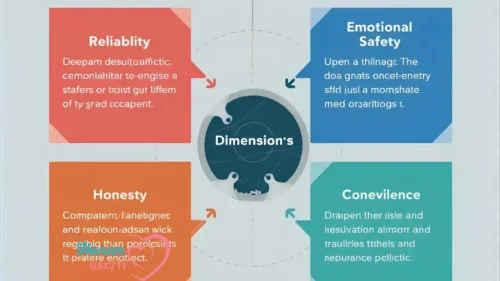
Trust encompasses several dimensions:
| Dimension of Trust | What It Means | Example in Action |
|---|---|---|
| Reliability | Following through on promises | Showing up when you said you would |
| Emotional Safety | Freedom to express feelings | Sharing fears without being dismissed |
| Honesty | Truthfulness in communication | Disclosing uncomfortable truths |
| Competence | Confidence in partner’s abilities | Trusting their judgment in decisions |
| Benevolence | Believing in good intentions | Assuming positive intent during conflicts |
The Psychology Behind Trust Formation
Here’s something fascinating: trust formation in our brains follows predictable patterns. When someone acts in a trustworthy way, our brain releases oxytocin—often called the “trust hormone.” This neurochemical creates feelings of bonding and connection, which then motivates us to trust even more. It’s a beautiful cycle when it works.
But the opposite is also true. When trust is violated, our amygdala (the brain’s threat-detection center) kicks into overdrive. Suddenly, we’re hypervigilant, looking for signs of danger even when none exists. This is why broken trust is so hard to repair—you’re literally fighting against your brain’s protective mechanisms.
Why Trust is the Cornerstone of Every Healthy Relationship
The Emotional Security Trust Provides
Emotional security is like the foundation of a house. You don’t see it, but without it, everything else crumbles. When trust exists, you experience something psychologists call “secure attachment.” This means you feel confident in your relationship’s stability, which frees up mental and emotional energy for growth, exploration, and genuine intimacy.
Research from the University of California has demonstrated that individuals in high-trust relationships show lower levels of cortisol (the stress hormone) and report higher overall life satisfaction. When you’re not constantly worried about your relationship’s stability, you can focus on living your life fully.
How Trust Impacts Communication and Intimacy
Have you noticed how some couples can have difficult conversations while others can’t even discuss what to have for dinner without it becoming an argument? Trust is often the differentiating factor. When trust is present, communication becomes a tool for connection rather than a weapon for defense.
Intimacy—both emotional and physical—requires vulnerability, and vulnerability requires trust. You can’t truly let someone in if you’re constantly protecting yourself from potential hurt. It’s like trying to swim while wearing full body armor. Technically possible, but you’re going to sink.
The Science of Trust: What Research Tells Us
Neurobiological Aspects of Trust
Let’s dig into the science because it’s genuinely eye-opening. Neuroscience research has shown that trust activates the ventral striatum, a part of the brain associated with reward processing. When we trust someone and that trust is validated, we literally experience a neurological reward. This is why trustworthy relationships feel so good—your brain is giving you chemical rewards for the connection.
Studies using fMRI scans have revealed that people in trusting relationships show increased activity in the prefrontal cortex when thinking about their partners. This region is responsible for complex decision-making and social behavior, suggesting that trust involves sophisticated cognitive processing beyond simple emotion.
Attachment Theory and Trust Development
John Bowlby’s attachment theory provides crucial insights into how we develop trust patterns. Your early experiences with caregivers create an internal working model for relationships. If your needs were consistently met, you likely developed a secure attachment style, making trust-building easier. If not, you might struggle with anxious or avoidant attachment patterns.
Here’s the good news: attachment patterns aren’t permanent. Through conscious effort and supportive relationships, you can develop what researchers call “earned secure attachment.” Your past doesn’t have to dictate your relational future.
Common Trust Barriers in Modern Relationships
Past Trauma and Its Lingering Effects
Past betrayals cast long shadows. If you’ve been hurt before—whether in romantic relationships, friendships, or by family—your nervous system remembers. This creates what psychologists call “hypervigilance,” where you’re constantly scanning for signs of danger even when your current partner has given you no reason to distrust them.
The challenge here is that you might be punishing your current partner for someone else’s crimes. It’s like having an allergic reaction to strawberries and then refusing to eat any red fruit ever again. Yes, caution makes sense, but overreaction prevents healing.
Digital Age Challenges to Trust
♦ Social Media and Transparency Issues
Let’s address the elephant in the room: smartphones and social media have created entirely new trust challenges. Your partner can now maintain private conversations with hundreds of people, and you have no idea what’s being discussed. Former flames are just a DM away. This accessibility has created a transparency crisis in relationships.
The question becomes: how much access is appropriate? Should partners share passwords? Should you be able to scroll through each other’s messages? There’s no universal answer, but the conversation itself is essential.
♦ Technology-Enabled Secrecy
Dating apps, disappearing messages, encrypted communications—technology has made secrecy easier than ever. But here’s the paradox: the same technology that enables secrecy can also enable transparency. The tool isn’t the problem; how we choose to use it is.
The Building Blocks of Trust
Consistency: The Power of Reliable Behavior
You know what’s more romantic than grand gestures? Showing up. Consistently. Trust isn’t built through occasional impressive acts; it’s built through predictable, reliable behavior over time. When you say you’ll call, you call. When you make plans, you keep them. When you commit to something, you follow through.
Think of consistency as compound interest for relationships. Each small, reliable action adds to your trust account. Over time, these deposits create substantial relationship wealth.
Transparency: Opening Windows into Your World
Transparency doesn’t mean you have no privacy or personal boundaries. It means you’re willing to share your inner world—your thoughts, feelings, concerns, and experiences. It means your partner doesn’t have to wonder what you’re thinking or feeling because you tell them.
Practical transparency includes:
- Sharing your schedule and whereabouts
- Discussing financial decisions
- Being honest about your emotional state
- Disclosing relevant aspects of your past
- Communicating your needs and boundaries clearly
- Admitting when you’ve made mistakes
Vulnerability: The Courage to Be Seen
Brené Brown’s research on vulnerability has revolutionized how we understand trust. Vulnerability isn’t weakness; it’s emotional courage. When you share your fears, insecurities, and imperfections, you’re essentially saying, “Here’s the real me. I trust you not to weaponize this information against me.”
Interestingly, vulnerability often creates a reciprocal response. When you open up, your partner typically feels safer doing the same. This creates a positive feedback loop of increasing emotional intimacy.
Practical Strategies for Building Trust from Scratch
Establishing Clear Communication Patterns
Good communication in trust-building isn’t about talking more, it’s about talking effectively. This means:
- Regular check-ins: Set aside time to discuss how you’re feeling about the relationship
- Conflict resolution protocols: Agree on how you’ll handle disagreements before they happen
- Honesty pacts: Commit to truthfulness even when it’s uncomfortable
- Active inquiry: Ask questions that show genuine interest in your partner’s inner world
One technique that works remarkably well is the “daily temperature reading,” where couples spend 15 minutes each day sharing appreciations, new information, puzzles (concerns), complaints with requests, and hopes/wishes.
Setting and Respecting Boundaries
Boundaries aren’t walls; they’re guidelines for how you want to be treated. Healthy boundaries actually increase trust because they create clarity and reduce misunderstandings. When both partners know what’s acceptable and what isn’t, there’s less room for accidental violations.
Creating boundaries involves:
- Identifying your non-negotiables
- Communicating them clearly and calmly
- Respecting your partner’s boundaries even if you don’t fully understand them
- Revisiting and adjusting boundaries as the relationship evolves
Creating Shared Experiences and Memories
Shared experiences create what psychologists call “relational capital.” When you go through experiences together—both challenging and joyful—you build a shared history that bonds you. This is why couples who travel together, pursue hobbies together, or overcome obstacles together often report higher trust levels.
Novel experiences are particularly powerful. They trigger dopamine release, which becomes associated with your partner, strengthening your bond. So instead of always doing the same dinner-and-movie routine, try rock climbing, cooking a complex recipe together, or taking a class in something neither of you knows.
Trust-Building Behaviors You Need to Practice Daily
Active Listening Techniques That Show You Care
Most people don’t listen with the intent to understand, they listen with the intent to reply. Active listening is different. It requires putting aside your agenda and genuinely seeking to understand your partner’s perspective.
Key active listening techniques include:
- Reflective listening: “What I’m hearing is…” to confirm understanding
- Validating emotions: “That makes sense given…” even if you disagree with the conclusion
- Asking clarifying questions: “Can you help me understand…” instead of assuming
- Non-verbal engagement: Eye contact, nodding, open body language
- Avoiding interruption: Let your partner finish their thoughts completely
Following Through on Commitments
Nothing erodes trust faster than broken promises. If you say you’ll do something, do it. If circumstances change and you can’t, communicate proactively rather than making excuses after the fact.
This applies to both big and small commitments. Forgetting to pick up milk when you said you would might seem trivial, but your brain processes it the same way as larger betrayals—as evidence that you’re unreliable.
Expressing Appreciation and Recognition
John Gottman’s research found that successful relationships have a ratio of at least 5 positive interactions for every 1 negative interaction. Expressing appreciation contributes to this positive balance. When you regularly acknowledge what your partner does right, you create an environment where trust can flourish.
Specific appreciation is more powerful than generic praise. Instead of “Thanks for dinner,” try “I really appreciated that you remembered I had a rough day and made my favorite meal. That thoughtfulness means a lot to me.”
Navigating Trust After Betrayal
Can Trust Be Rebuilt? The Honest Answer
Yes, trust can be rebuilt, but let me be clear: it’s not easy, it’s not quick, and it’s not guaranteed. Rebuilding trust after betrayal is like recovering from a serious injury. With proper treatment, time, and effort, healing is possible, but you might never be exactly the same as you were before.
Research by Dr. Janis Spring suggests that successful trust rebuilding requires three elements: the betrayer must demonstrate genuine remorse and changed behavior, the betrayed must be willing to work through the pain rather than avoiding it, and both parties must commit to a prolonged process of rebuilding.
The Forgiveness Process and Its Stages
Forgiveness isn’t a single decision, it’s a process with distinct stages:
- Acknowledgment: Recognizing the full extent of the betrayal
- Emotional processing: Allowing yourself to feel the hurt, anger, and grief
- Understanding: Seeking to understand (not excuse) what led to the betrayal
- Decision: Consciously choosing whether to pursue rebuilding
- Action: Taking concrete steps toward healing
- Integration: Incorporating the experience into your relationship’s story without letting it define everything
It’s crucial to understand that forgiveness doesn’t mean forgetting, excusing, or immediately trusting again. It means releasing the desire for revenge and opening the possibility of moving forward.
Accountability Versus Defensiveness
When trust is broken, the person who violated it must take full accountability. This means acknowledging what happened, understanding its impact, avoiding defensiveness or justification, and taking concrete actions to prevent recurrence.
Defensiveness is the enemy of accountability. When someone responds to betrayal with “But you…” or “It wasn’t that bad…” or “You’re overreacting,” they’re prioritizing self-protection over relationship healing. True accountability says, “I did this, it was wrong, I understand why it hurt you, and here’s what I’m doing to ensure it doesn’t happen again.”
The Role of Self-Trust in Relationship Trust
Why You Must Trust Yourself First
Here’s something most articles about relationship trust miss: you can’t fully trust someone else if you don’t trust yourself. Self-trust means believing in your judgment, honoring your intuition, and trusting that you can handle whatever comes your way—including potential heartbreak.
When you trust yourself, you’re less likely to ignore red flags or stay in unhealthy relationships out of fear. You’re also less likely to project your insecurities onto your partner or create problems where none exist.
Building Personal Integrity
Personal integrity—living according to your values and keeping promises to yourself—is foundational to self-trust. When you consistently honor your commitments to yourself, you develop confidence in your reliability. This internal trustworthiness then extends outward to your relationships.
Ask yourself: Do you keep the promises you make to yourself? If you say you’ll exercise, go to bed early, or pursue a goal, do you follow through? Building this internal consistency creates a solid foundation for external trust.
Cultural and Individual Differences in Trust
How Upbringing Shapes Trust Patterns
Your family of origin significantly influences how you approach trust. If you grew up in an environment where secrets were normal, open communication might feel uncomfortable. If your caregivers were unpredictable, you might struggle with anxiety in relationships. If vulnerability was punished, you might have difficulty opening up.
Understanding these patterns isn’t about blaming your past; it’s about recognizing how your history influences your present so you can make conscious choices rather than operating on autopilot.
Gender Differences in Trust Expression
While individual variation far exceeds gender differences, research does suggest some general patterns. Women, on average, tend to prioritize emotional transparency and consistent communication in trust-building. Men, on average, may emphasize reliability and competence. These are broad generalizations, and your relationship will be unique.
The key is recognizing that your partner might express and experience trust differently than you do. What feels like a significant trust-building action to you might not register the same way for them, and vice versa.
Trust Across Different Relationship Stages
Early Dating: Laying the Groundwork
In the beginning stages, trust is about observing consistency between words and actions. Does this person do what they say they’ll do? Do their stories add up? Are they reliable in small ways? Pay attention to these early indicators—they’re often predictive of long-term patterns.
Early dating is also about gradual disclosure. Share incrementally and notice how your disclosures are received. Healthy partners will respond with empathy and reciprocal sharing, not judgment or gossip.
Committed Partnerships: Deepening the Bond
As relationships progress, trust deepens through:
- Successfully navigating conflicts together
- Supporting each other through difficult times
- Making and keeping bigger commitments
- Integrating into each other’s lives (friends, family, routines)
- Making yourself more vulnerable as safety is established
This stage is about proving that your initial trust was warranted by demonstrating reliability through various circumstances and challenges.
Long-Term Relationships: Maintaining What You’ve Built
Long-term trust maintenance requires preventing complacency. When you’ve been together for years, it’s easy to stop doing the small things that built trust initially. You might stop expressing appreciation, assume your partner knows how you feel, or prioritize work and children over the relationship.
Maintaining long-term trust involves:
- Continuing to prioritize quality time together
- Keeping communication channels open
- Adapting to each other’s changing needs
- Regularly expressing appreciation and affection
- Addressing small issues before they become big problems
Warning Signs of Trust Issues
Recognizing Trust Problems Early
Trust issues often manifest through specific patterns:
- Excessive jealousy: Irrational concerns about fidelity without evidence
- Constant monitoring: Checking phones, tracking locations, interrogating about whereabouts
- Inability to be vulnerable: Keeping emotional walls up despite relationship longevity
- Skepticism about intentions: Assuming negative motives for neutral actions
- Fear of abandonment: Clingy behavior or testing the relationship
- Emotional withdrawal: Keeping distance to avoid potential hurt
If you notice these patterns in yourself or your partner, it’s time for honest conversation and possibly professional support.
When Professional Help is Needed
Couples therapy isn’t a sign of failure, it’s a sign of commitment. Consider professional help when:
- Trust has been severely violated (infidelity, major deception)
- You’re stuck in destructive communication patterns
- Past trauma is significantly impacting the relationship
- You’ve tried addressing issues independently without progress
- Trust issues are causing significant distress or dysfunction
A skilled therapist can provide tools, perspectives, and interventions that accelerate healing and growth beyond what you can achieve alone.
Trust-Building Exercises for Couples
Practical exercises can accelerate trust development:
The Trust Fall Exercise (Emotional Version): Take turns sharing something you’ve never told anyone, creating deeper intimacy through mutual vulnerability.
The Daily Appreciation Practice: Each evening, share three specific things you appreciated about your partner that day.
The Conflict Resolution Protocol: Establish and practice a structured approach to disagreements, such as:
- Each person gets uninterrupted time to express their perspective
- The listener reflects back what they heard
- Both identify underlying needs and values
- Collaborate on solutions that address both people’s needs
The Vision Sharing Exercise: Regularly discuss your hopes, dreams, and fears for the future, ensuring you’re building trust toward a shared vision.
The Accountability Check-In: If trust has been damaged, establish regular times where the person who violated trust reports on their efforts to rebuild it, and the hurt partner shares their healing progress.
Creating a Trust-Sustaining Environment
The Importance of Emotional Safety
Emotional safety means knowing you won’t be ridiculed, dismissed, or punished for expressing yourself authentically. Creating this environment requires:
- Zero tolerance for contempt: Never responding to your partner with eye-rolling, name-calling, or mockery
- Validating emotions: Acknowledging feelings as real and important even when you don’t fully understand them
- Maintaining confidentiality: What’s shared privately stays private
- Offering repair after rupture: Quickly addressing moments when safety is breached
Balancing Independence and Togetherness
Healthy trust doesn’t mean merged identities. In fact, maintaining individual identities, interests, and friendships often strengthens relationship trust. When both partners have full lives outside the relationship, they choose to be together rather than need to be together out of emptiness or fear.
This balance involves:
- Supporting each other’s individual pursuits
- Maintaining separate friendships
- Respecting time apart
- Celebrating each other’s achievements
- Trusting that separateness doesn’t threaten togetherness
Conclusion
Building trust in a relationship isn’t a destination, it’s a continuous journey requiring intention, effort, and authenticity. Trust develops through countless small moments of showing up, being honest, honoring commitments, and choosing vulnerability over self-protection. It’s strengthened when you navigate conflicts constructively, express appreciation regularly, and create emotional safety for each other.
Remember that trust-building isn’t linear. You’ll have setbacks, misunderstandings, and moments of doubt. That’s normal. What matters is your commitment to the process and your willingness to repair ruptures when they occur.
The relationships that withstand time aren’t those without challenges—they’re those where both partners consistently choose to behave in trustworthy ways, even when it’s difficult. They’re relationships where both people recognize that trust is the most valuable currency they possess and guard it accordingly.
Start today. Choose one trust-building behavior from this article and implement it consistently for the next week. Notice what shifts. Trust isn’t built overnight, but it starts with a single intentional action, then another, then another. Before you know it, you’ve created something solid, something real, something worth protecting.
FAQs
1. How long does it take to build trust in a new relationship?
There’s no universal timeline, as trust-building depends on individual factors like attachment styles, past experiences, and the consistency of trustworthy behavior. Generally, foundational trust can develop within 3-6 months of consistent, reliable behavior. However, deep trust—the kind where you feel completely safe being vulnerable—typically takes 1-2 years of navigating various situations together. The key isn’t rushing the timeline but allowing trust to develop naturally through genuine, consistent behavior.
2. Can trust be fully restored after infidelity?
Yes, but it requires extraordinary effort from both partners and isn’t always achievable. Research indicates that successful recovery typically takes 2-5 years and requires the unfaithful partner to demonstrate sustained changed behavior, radical transparency, and genuine remorse. The betrayed partner must process their pain while gradually reopening to vulnerability. However, some relationships emerge stronger after successfully navigating this process, though the relationship will be fundamentally different from what it was before.
3. What’s the difference between trust issues and intuition?
This is crucial to distinguish. Intuition is your subconscious mind processing subtle cues in your current situation—it’s usually calm, clear, and specific. Trust issues stem from past experiences and create generalized anxiety, hypervigilance, and catastrophic thinking even without evidence. If your concern is about specific, inconsistent behaviors your partner is displaying, that’s intuition. If you’re afraid of betrayal despite your partner demonstrating consistent trustworthiness, those are trust issues requiring personal work.
4. Should couples share passwords and have full access to each other’s devices?
There’s no one-size-fits-all answer. What matters most is that both partners feel comfortable with whatever arrangement you establish. Some couples find transparency through access reassuring; others view it as unnecessary surveillance. The healthy approach is discussing your needs around transparency and privacy, finding a mutually acceptable arrangement, and recognizing that trust isn’t about access—it’s about believing your partner would make good choices even when you’re not looking. Forced transparency often indicates existing trust problems rather than preventing them.
5. How do I learn to trust again after being hurt in past relationships?
Rebuilding your capacity to trust involves several steps: First, process the pain from past betrayals rather than suppressing it—therapy can be invaluable here. Second, recognize that your new partner is not your ex; avoid punishing them for someone else’s actions. Third, start small—practice vulnerability gradually rather than forcing yourself into deep trust before you’re ready. Fourth, work on self-trust so your security comes from within rather than depending entirely on your partner’s behavior. Finally, communicate openly with your partner about your healing process so they can support you appropriately.
Scientific Sources:
-
- Kosfeld, M., Heinrichs, M., Zak, P.J., Fischbacher, U., & Fehr, E. (2005). “Oxytocin increases trust in humans.” Nature, 435(7042), 673-676. https://www.nature.com/articles/nature03701
- Gottman, J.M., & Silver, N. (2015). “The Seven Principles for Making Marriage Work: A Practical Guide from the Country’s Foremost Relationship Expert.” Harmony Books – Based on longitudinal research at the Gottman Institute. https://www.gottman.com/