

- Advertisement -
Excessive Nervousness | Causes, Symptoms & Treatment Guide 2025
How to Overcome Excessive Nervousness


- Advertisement -
Understanding Excessive Nervousness
Excessive nervousness affects over 40 million adults globally, yet many suffer in silence, unsure whether their feelings are “normal” or require professional attention. If you’ve ever felt your heart racing without reason, experienced persistent worry that won’t quiet down, or avoided important situations because anxiety felt overwhelming, you’re not alone—and more importantly, help is available.
Unlike occasional nervousness before a big presentation or first date, excessive nervousness persists even when there’s no immediate threat. It infiltrates your daily life, affects your work performance, strains relationships, and can even compromise your physical health. But here’s the empowering truth: understanding what’s happening in your mind and body is the first step toward reclaiming your peace.
In this comprehensive guide, we’ll explore the science behind excessive nervousness, uncover its root causes, identify symptoms you shouldn’t ignore, and provide evidence-based treatment options that actually work. Whether you’re seeking answers for yourself or trying to understand what a loved one is experiencing, this article offers practical, actionable strategies backed by the latest research in neuroscience and psychology.
Ready to understand why your nervous system seems stuck on high alert—and more importantly, how to turn down the volume? Let’s dive in.
What Is Excessive Nervousness?
Defining Nervousness vs. Anxiety
Let’s start by clearing up some confusion. Nervousness and anxiety are cousins, not twins. Nervousness is that temporary flutter you feel before a specific event—like a job interview or first date. It’s situational and usually fades once the event passes. Anxiety, on the other hand, is more like an unwelcome houseguest that overstays its welcome. It lingers without a clear trigger and can interfere with your daily functioning.
Excessive nervousness sits somewhere in between. It’s when your nervous responses are disproportionate to the situation at hand, or when they persist long after the stressor has disappeared. Think of it as your internal alarm system being stuck on high alert, even when there’s no real danger present.
When Does Nervousness Become “Excessive”?
So how do you know when you’ve crossed the line from normal nervousness into excessive territory? Here are some telltale signs:
- Your nervous feelings persist for weeks or months
- They interfere with work, relationships, or daily activities
- You avoid situations because of anticipated nervousness
- Physical symptoms become frequent and intense
- You spend excessive time worrying about potential problems
If you’re nodding along to most of these, it might be time to take a deeper look at what’s happening beneath the surface.
The Science Behind Excessive Nervousness
How Your Brain Processes Fear and Worry
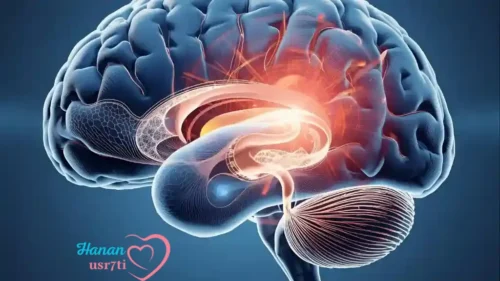
Your brain is an incredible machine, but sometimes it can be a bit overzealous in trying to protect you. The amygdala, a small almond-shaped structure deep in your brain, acts as your personal security guard. When it perceives a threat—real or imagined—it sounds the alarm. In people with excessive nervousness, this alarm system has become hypersensitive, triggering responses to situations that don’t actually pose a danger.
The prefrontal cortex, which handles rational thinking and decision-making, should be able to calm down the amygdala when there’s no real threat. But in cases of excessive nervousness, this communication breaks down. It’s like having a smoke detector that goes off every time you make toast—technically working, but not very helpful.
The Role of Neurotransmitters
Your brain relies on chemical messengers called neurotransmitters to send signals between neurons. Three key players in the nervousness game are:
- Serotonin – Often called the “feel-good” neurotransmitter, low levels are associated with increased anxiety
- GABA (Gamma-Aminobutyric Acid) – Your brain’s natural calming agent; when levels drop, nervousness increases
- Norepinephrine – Prepares your body for action; excessive levels keep you in a constant state of alertness
When these chemicals fall out of balance, excessive nervousness can take hold.
The Fight-or-Flight Response Gone Wrong
Remember learning about fight-or-flight in school? It’s your body’s ancient survival mechanism, designed to help you escape from predators or face immediate dangers. Here’s the problem: your body can’t distinguish between a genuine threat (like a wild animal) and a perceived threat (like an awkward social situation).
When the fight-or-flight response activates unnecessarily and repeatedly, it wears down your system. Your body stays in a state of high alert, pumping out stress hormones like cortisol and adrenaline even when you’re just sitting at your desk or lying in bed.
Common Symptoms of Excessive Nervousness
Physical Symptoms
Excessive nervousness doesn’t just live in your mind—it takes up residence in your body too. Here’s what it might feel like:
| Physical Symptom | Description |
|---|---|
| Rapid heartbeat | Your heart pounds or races, even at rest |
| Sweating | Excessive perspiration, especially in palms and underarms |
| Trembling | Shaking hands or internal tremors |
| Shortness of breath | Feeling like you can’t get enough air |
| Dizziness | Lightheadedness or feeling unsteady |
| Muscle tension | Chronic tightness, especially in shoulders and jaw |
| Digestive issues | Nausea, stomach pain, or diarrhea |
| Fatigue | Constant tiredness despite adequate sleep |
| Headaches | Tension headaches or migraines |
Emotional and Psychological Symptoms
The mental toll of excessive nervousness can be just as debilitating:
- Persistent worry that feels uncontrollable
- Restlessness or feeling on edge
- Difficulty concentrating or mind going blank
- Irritability and mood swings
- Sense of impending doom or danger
- Rumination over past events or future possibilities
- Difficulty making decisions
- Feelings of being overwhelmed
Behavioral Changes
You might notice changes in how you act or what you do:
- Avoiding social situations or specific places
- Procrastinating on tasks that trigger nervousness
- Seeking constant reassurance from others
- Checking behaviors (repeatedly checking locks, phone, etc.)
- Difficulty starting or completing projects
- Changes in eating patterns (overeating or loss of appetite)
- Increased use of alcohol or substances to cope
Root Causes of Excessive Nervousness
Genetic Predisposition
Ever wonder why some people seem naturally more anxious than others? Research suggests that genetics play a significant role. If your parents or siblings struggle with anxiety, you’re more likely to experience excessive nervousness yourself. Studies indicate that anxiety disorders have a heritability rate of approximately 30-50%, meaning your genes contribute substantially to your risk.
But here’s the good news: having the genes doesn’t guarantee you’ll develop excessive nervousness. It’s more like having a loaded gun—environment and lifestyle choices determine whether it gets triggered.
Environmental Triggers
Your surroundings shape your nervous system in profound ways. Common environmental factors include:
- Chronic stress at work or home
- Financial pressures
- Relationship conflicts
- Major life transitions (moving, job changes, divorce)
- Living in high-stress environments
- Exposure to violence or unsafe conditions
- Social media and information overload
- Academic pressure
Traumatic Experiences
Trauma leaves lasting imprints on your nervous system. A single traumatic event—or repeated exposure to distressing situations—can rewire your brain to stay in a constant state of vigilance.
♦ Childhood Trauma and Its Long-Term Effects
The experiences you have during childhood are particularly impactful because your brain is still developing. Adverse childhood experiences (ACEs) such as abuse, neglect, or household dysfunction can set the stage for excessive nervousness in adulthood. Your young brain learns that the world is dangerous, and that lesson sticks, even when you’re in a safe environment years later.

The Impact of Excessive Nervousness on Daily Life
Effects on Work and Productivity
Excessive nervousness doesn’t clock out when you do. It follows you to work, sitting on your shoulder during meetings, whispering doubts as you tackle projects. People with excessive nervousness often experience:
- Decreased productivity and efficiency
- Difficulty meeting deadlines due to perfectionism or procrastination
- Trouble concentrating during important tasks
- Increased sick days
- Missed opportunities due to fear of failure
- Strained relationships with colleagues
- Career stagnation from avoiding challenges
Strain on Personal Relationships
Your relationships suffer when excessive nervousness takes the wheel. You might:
- Withdraw from friends and family
- Struggle with intimacy and vulnerability
- Become overly dependent on loved ones for reassurance
- Experience irritability that damages connections
- Miss social events and important occasions
- Have difficulty trusting others
- Create conflict through anxious behaviors
Physical Health Consequences
The chronic activation of your stress response takes a real toll on your body:
- Weakened immune system, leading to frequent illnesses
- Increased risk of cardiovascular disease
- Digestive disorders like IBS
- Chronic pain conditions
- Sleep disorders and insomnia
- Hormonal imbalances
- Accelerated aging at the cellular level
Different Types of Nervousness-Related Disorders
Generalized Anxiety Disorder (GAD)
GAD is characterized by persistent, excessive worry about various aspects of life—work, health, family, finances—you name it. People with GAD find it difficult to control their worry, even when they know it’s disproportionate to the actual situation. The anxiety is constant, like background music that never stops playing.
Social Anxiety Disorder
If the thought of social situations fills you with dread, you might be dealing with social anxiety disorder. This goes beyond simple shyness—it’s an intense fear of being judged, embarrassed, or humiliated in social settings. People with social anxiety often avoid parties, public speaking, or even casual conversations, which can severely limit their life experiences.
Panic Disorder
Panic disorder involves recurrent, unexpected panic attacks—sudden surges of overwhelming fear that peak within minutes. During an attack, you might experience heart palpitations, sweating, trembling, shortness of breath, and a sense of impending doom. The fear of having another panic attack can become so consuming that it creates a vicious cycle of anxiety.
Specific Phobias
Specific phobias are intense, irrational fears of particular objects or situations—heights, flying, spiders, needles, enclosed spaces. While everyone has things they dislike, phobias trigger such extreme nervousness that people go to great lengths to avoid their trigger, sometimes limiting their daily activities.
How to Recognize Excessive Nervousness in Yourself
Self-Assessment Techniques
Self-awareness is the first step toward change. Try these approaches:
- Keep a worry journal – Track when you feel nervous, what triggers it, and how intense it is on a scale of 1-10
- Notice physical sensations – Pay attention to your body’s signals throughout the day
- Evaluate interference – Ask yourself: “Is nervousness preventing me from doing things I want or need to do?”
- Check frequency – How many days per week do you feel excessively nervous?
- Assess controllability – Can you calm yourself down once nervousness starts, or does it spiral?
Warning Signs You Shouldn’t Ignore
Some red flags indicate it’s time to seek professional help:
- Suicidal thoughts or self-harm urges
- Panic attacks that interfere with daily functioning
- Complete avoidance of necessary activities (work, school, medical appointments)
- Substance abuse as a coping mechanism
- Physical symptoms that persist despite medical clearance
- Inability to care for yourself or fulfill responsibilities
- Severe sleep disruption lasting weeks
- Relationship breakdown due to anxiety-related behaviors

Professional Diagnosis and When to Seek Help
What to Expect During a Psychological Assessment
Seeking help can feel intimidating, but knowing what to expect can ease some nervousness (ironic, right?). A typical assessment includes:
- Detailed personal and family history
- Discussion of current symptoms and their duration
- Questionnaires or standardized assessment tools
- Evaluation of how symptoms affect daily functioning
- Review of medical history to rule out physical causes
- Discussion of previous treatments or coping strategies
The professional might use tools like the GAD-7 (Generalized Anxiety Disorder 7-item scale) or similar instruments to quantify your symptoms and track progress over time.
The Importance of Early Intervention
Here’s something most people don’t realize: the longer excessive nervousness goes untreated, the more entrenched it becomes. Your brain literally rewires itself around anxious patterns, making them harder to break later. Early intervention can:
- Prevent the development of additional mental health conditions
- Reduce the severity of symptoms
- Improve treatment outcomes
- Minimize impact on relationships and career
- Lower the risk of physical health complications
- Build healthy coping skills before unhealthy ones take root

Evidence-Based Treatment Options
Cognitive Behavioral Therapy (CBT)
CBT is the gold standard for treating excessive nervousness, and research consistently shows its effectiveness. The approach is straightforward: your thoughts influence your feelings, which drive your behaviors. By identifying and challenging distorted thinking patterns, you can change how you feel and act.
In CBT, you’ll learn to:
- Recognize automatic negative thoughts
- Evaluate evidence for and against these thoughts
- Replace distorted thinking with balanced perspectives
- Gradually face feared situations through exposure therapy
- Develop practical coping skills
The beauty of CBT is that it gives you tools you can use for life, not just while you’re in therapy.
Medication Options
Sometimes, therapy alone isn’t enough, and that’s okay. Medication can provide relief while you develop coping skills.
♦ SSRIs and Benzodiazepines
Selective Serotonin Reuptake Inhibitors (SSRIs) are typically the first-line medication for excessive nervousness. They work by increasing serotonin availability in your brain. Common SSRIs include:
- Sertraline (Zoloft)
- Escitalopram (Lexapro)
- Fluoxetine (Prozac)
- Paroxetine (Paxil)
SSRIs take 4-6 weeks to reach full effectiveness, so patience is key.
Benzodiazepines provide rapid relief but are typically used short-term due to potential dependence. They include:
- Alprazolam (Xanax)
- Lorazepam (Ativan)
- Clonazepam (Klonopin)
Other options include SNRIs (Serotonin-Norepinephrine Reuptake Inhibitors) and Buspirone, which your healthcare provider might consider based on your specific situation.
Alternative Therapies
Many people find relief through complementary approaches:
- Mindfulness-Based Stress Reduction (MBSR) – Structured program combining meditation and yoga
- Acceptance and Commitment Therapy (ACT) – Focuses on accepting anxious thoughts rather than fighting them
- Eye Movement Desensitization and Reprocessing (EMDR) – Particularly helpful for trauma-related nervousness
- Acupuncture – Some studies suggest benefits for anxiety symptoms
- Herbal supplements – Such as chamomile, lavender, or passionflower (always consult a healthcare provider first)
Practical Coping Strategies for Daily Management
Breathing Exercises and Mindfulness
Your breath is a powerful tool that’s always available. When excessive nervousness strikes, try the 4-7-8 breathing technique:
- Exhale completely through your mouth
- Close your mouth and inhale through your nose for 4 counts
- Hold your breath for 7 counts
- Exhale through your mouth for 8 counts
- Repeat 3-4 times
Mindfulness means staying present in the current moment rather than worrying about the future or ruminating on the past. Start with just five minutes daily, focusing on your breath or bodily sensations without judgment.
Progressive Muscle Relaxation
This technique involves systematically tensing and relaxing different muscle groups. Start with your toes, squeeze for 5 seconds, then release. Notice the difference between tension and relaxation. Work your way up through your body—legs, stomach, chest, arms, shoulders, face. This practice helps you recognize and release physical tension associated with nervousness.
Journaling and Thought Recording
Writing down your worries can be surprisingly therapeutic. Try these approaches:
- Stream of consciousness journaling – Write whatever comes to mind for 10 minutes
- Worry time – Designate 15 minutes daily to write all your worries, then close the journal and move on
- Thought records – Document situations that trigger nervousness, your automatic thoughts, emotions, and more balanced alternative thoughts
- Gratitude journaling – List three things you’re grateful for each day to shift focus from worries to positives

Lifestyle Changes That Make a Difference
The Exercise-Anxiety Connection
Exercise is like medicine for your nervous system. Physical activity:
- Reduces stress hormones like cortisol
- Releases endorphins, your natural mood elevators
- Improves sleep quality
- Provides a healthy outlet for nervous energy
- Boosts self-confidence
- Creates a sense of accomplishment
You don’t need to become a marathon runner. Even 20-30 minutes of moderate activity most days can significantly reduce excessive nervousness. Find something you enjoy—walking, dancing, swimming, yoga, or cycling—consistency matters more than intensity.
Nutrition and Its Role in Mental Health
What you eat affects how you feel. Research shows connections between diet and anxiety levels:
Foods that may help:
- Fatty fish rich in omega-3s (salmon, mackerel, sardines)
- Fermented foods supporting gut health (yogurt, kimchi, sauerkraut)
- Complex carbohydrates for stable blood sugar (whole grains, legumes)
- Magnesium-rich foods (leafy greens, nuts, seeds)
- Foods high in tryptophan (turkey, eggs, cheese)
Foods to limit:
- Caffeine (can increase jitteriness and heart rate)
- Alcohol (disrupts sleep and can worsen anxiety)
- Refined sugars (cause blood sugar crashes that mimic anxiety)
- Processed foods high in additives
Sleep Hygiene Essentials
Poor sleep and excessive nervousness form a vicious cycle—each makes the other worse. Prioritize sleep by:
- Maintaining consistent sleep and wake times
- Creating a cool, dark, quiet bedroom environment
- Avoiding screens 1-2 hours before bed
- Limiting caffeine after 2 PM
- Establishing a relaxing bedtime routine
- Using your bed only for sleep and intimacy (not work or TV)
- Getting morning sunlight exposure to regulate circadian rhythm
Building a Support System
The Power of Social Connection
Humans are social creatures. Isolation amplifies excessive nervousness, while meaningful connections act as a buffer against stress. Research consistently shows that people with strong social support systems experience less severe anxiety symptoms and recover more quickly from setbacks.
But here’s the catch: when you’re dealing with excessive nervousness, reaching out feels hardest. You might worry about burdening others or being judged. Push through that resistance. Start small—text a friend, call a family member, or simply sit in a coffee shop among others.
Support Groups and Community Resources
Sometimes, talking to people who truly understand makes all the difference. Support groups provide:
- Validation that you’re not alone
- Practical tips from others who’ve been there
- A safe space to share without judgment
- Accountability for trying new coping strategies
- Hope through seeing others’ progress
Look for groups through:
- The Anxiety and Depression Association of America (ADAA)
- National Alliance on Mental Illness (NAMI)
- Local mental health centers
- Online communities (though face-to-face often works better)
- Religious or spiritual organizations
Long-Term Management and Prevention
Developing Resilience
Resilience isn’t about never feeling nervous—it’s about bouncing back when you do. Build resilience by:
- Viewing challenges as opportunities for growth
- Maintaining perspective (asking “Will this matter in five years?”)
- Developing problem-solving skills
- Practicing self-compassion when things don’t go perfectly
- Cultivating a sense of purpose and meaning
- Building flexibility in thinking and behavior
- Learning from setbacks rather than being defeated by them
Stress Management Techniques
Preventing excessive nervousness means managing everyday stress before it accumulates. Incorporate these practices:
- Time management – Break large tasks into smaller, manageable steps
- Setting boundaries – Learning to say no to excessive demands
- Regular breaks – Stepping away from stress throughout the day
- Hobbies and leisure – Making time for activities you enjoy
- Nature exposure – Spending time outdoors reduces cortisol
- Digital detox – Regular breaks from screens and social media
- Planning and preparation – Reducing uncertainty where possible

Breaking the Stigma Around Mental Health
Let’s address the elephant in the room: stigma. Many people still view mental health struggles as weakness or character flaws. This couldn’t be further from the truth. Excessive nervousness is a legitimate condition with biological, psychological, and environmental components—not something you can just “snap out of” or “think positively” away.
The more we talk openly about mental health, the more we normalize seeking help. You wouldn’t hesitate to see a doctor for a broken leg; your mental health deserves the same level of care and attention. By sharing your experiences (when comfortable), you give others permission to do the same and help create a more compassionate world.
Conclusion
Excessive nervousness is more than just feeling a little worried—it’s a complex condition that affects your mind, body, and daily life in profound ways. But here’s the empowering truth: you’re not stuck with it forever. Understanding the science behind your nervousness, recognizing your symptoms, and implementing evidence-based strategies can transform your experience.
Recovery rarely follows a straight line. You’ll have good days and challenging ones. Progress might feel slow at times, but every small step matters. Whether you start with breathing exercises, reach out for professional help, make lifestyle changes, or try all of the above, you’re moving in the right direction.
Remember, seeking help isn’t a sign of weakness—it’s an act of courage and self-care. You deserve to live without the constant weight of excessive nervousness holding you back from the life you want. The journey might not be easy, but it’s absolutely worth it.
Frequently Asked Questions (FAQs)
1. How do I know if my nervousness is “excessive” or just normal?
Normal nervousness is proportionate to the situation, temporary, and doesn’t significantly interfere with your daily activities. Excessive nervousness persists even when there’s no immediate threat, occurs frequently (most days for several months), and prevents you from doing things you want or need to do. If your nervousness causes you to avoid important activities, impacts your work or relationships, or comes with severe physical symptoms, it’s likely crossed into excessive territory.
2. Can excessive nervousness go away on its own without treatment?
While some people experience temporary periods of increased nervousness that resolve on their own, chronic excessive nervousness typically doesn’t disappear without intervention. In fact, untreated excessive nervousness often worsens over time as your brain reinforces anxious patterns. The good news is that with proper treatment—whether therapy, lifestyle changes, medication, or a combination—most people experience significant improvement. Early intervention leads to better outcomes.
3. Are anti-anxiety medications addictive?
It depends on the medication. Benzodiazepines (like Xanax or Ativan) can lead to physical dependence if used long-term and should typically only be used short-term or as needed. However, SSRIs and SNRIs—the most commonly prescribed medications for anxiety—are not addictive. They don’t produce a “high” and you won’t develop cravings for them. Always take medications exactly as prescribed and discuss any concerns with your healthcare provider.
4. How long does it take for treatment to work?
The timeline varies depending on the treatment approach. Breathing exercises and relaxation techniques can provide immediate relief in the moment, though mastering them takes practice. Therapy typically shows noticeable benefits within 8-12 sessions, though some people feel better sooner. Medication usually takes 4-6 weeks to reach full effectiveness. Lifestyle changes like exercise and improved sleep hygiene show gradual benefits over weeks to months. Remember, managing excessive nervousness is a process, not a quick fix.
5. Can excessive nervousness cause long-term damage to my health?
Yes, chronic excessive nervousness can impact your physical health over time. The constant activation of your stress response can weaken your immune system, increase your risk of cardiovascular problems, contribute to digestive issues, disrupt hormone balance, and accelerate cellular aging. Additionally, the behaviors associated with excessive nervousness—like poor sleep, unhealthy eating, social isolation, or substance use—compound these effects. This is precisely why treating excessive nervousness isn’t just about feeling better mentally—it’s about protecting your overall health and wellbeing.
Scientific Sources:
- Bandelow, B., & Michaelis, S. (2015). Epidemiology of anxiety disorders in the 21st century. Dialogues in Clinical Neuroscience, 17(3), 327-335. https://www.ncbi.nlm.nih.gov/pmc/articles/PMC4610617/
- Hofmann, S. G., Asnaani, A., Vonk, I. J., Sawyer, A. T., & Fang, A. (2012). The efficacy of cognitive behavioral therapy: A review of meta-analyses. Cognitive Therapy and Research, 36(5), 427-440. https://www.ncbi.nlm.nih.gov/pmc/articles/PMC3584580/
- Strawn, J. R., Geracioti, L., Rajdev, N., Clemenza, K., & Levine, A. (2018). Pharmacotherapy for generalized anxiety disorder in adult and pediatric patients: an evidence-based treatment review. Expert Opinion on Pharmacotherapy, 19(10), 1057-1070. https://www.ncbi.nlm.nih.gov/pmc/articles/PMC6340395/