

- Advertisement -
Trust of Others | Complete Psychology Guide 2025
Trust of Others | Science-Backed Strategies & Recovery


- Advertisement -
Understanding trust of others is perhaps the most critical yet overlooked skill for creating meaningful relationships and living a fulfilling life. Whether you’re struggling to trust others after betrayal, questioning your judgment about whom to trust, or simply wanting to develop better discernment in trusting people, this comprehensive guide provides the science-backed answers you’ve been searching for.
The ability to trust other people appropriately—neither too naively nor too suspiciously—directly impacts your mental health, relationship quality, career success, and overall happiness. Yet most of us navigate trusting others purely by instinct, unaware of the psychological mechanisms, neurobiological processes, and cultural factors shaping every trust decision we make.
This evidence-based article explores the complete psychology of trust in relationships, from the evolutionary reasons humans are wired for connection to the neuroscience of what happens in your brain during trust decisions. We’ll examine why trusting strangers often defies rational calculation, how betrayal trauma uniquely damages your trust capacity, and most importantly, how to rebuild trust after being hurt without becoming cynical or isolated.
If you’ve been betrayed and wonder whether you can learn to trust again, if you recognize patterns of trusting the wrong people repeatedly, or if you want to teach your children healthy trust boundaries, you’ll find actionable strategies grounded in current psychological research. We’ll distinguish between naive trust that leaves you vulnerable and mature discernment that protects while still allowing connection.
Drawing on attachment theory, betrayal trauma research, cross-cultural trust studies, and neuroscience findings about oxytocin and social bonding, this guide goes far beyond generic advice. You’ll discover the four dimensions of trust that explain why you might trust someone in one context but not another, the asymmetry between building and destroying trust, and the specific steps required for genuine trust repair in relationships.
Whether you’re navigating trust issues in romantic relationships, friendship challenges, workplace dynamics, or simply want to understand your own trust patterns better, this comprehensive resource provides the insights you need to trust others wisely in an uncertain world.
Ready to transform your relationship with trust? Let’s explore the science, psychology, and practical strategies for building authentic connections without compromising your wellbeing.

Understanding Trust
What Trust Really Means in Psychological Terms
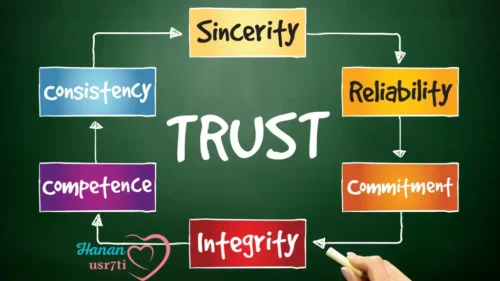
Trust involves believing that another person will act as expected Psychology Today, but this surface-level definition barely scratches the complexity beneath. Psychologically, trust comprises four distinct but interrelated dimensions:
The Four Pillars of Trust:
| Trust Dimension | Definition | Example in Action |
|---|---|---|
| Benevolence | Belief that the other person has good intentions toward you | Your friend considers your feelings before making decisions |
| Integrity | Confidence that the person adheres to ethical principles | Your colleague refuses to take credit for your work |
| Competence | Faith that the person possesses necessary skills or abilities | You trust your doctor’s medical judgment |
| Predictability | Expectation of consistent behavior patterns | Your partner reliably calls when running late |
Understanding these dimensions helps explain why you might trust someone in one context but not another. You might trust your friend’s benevolence completely while doubting their competence to give financial advice. You might respect a colleague’s professional competence while questioning their integrity in personal matters.
The Two Faces of Trust: Propensity vs. Other-Focused
Research distinguishes between propensity to trust—your general tendency to feel able to trust others—and other-focused trust, which reflects your perception of whether others deserve that trust Frontiers. This distinction is crucial because it separates your internal trust mechanism from your external assessment of trustworthiness.
Think of propensity to trust as your default setting. Some people have high trust propensity—they approach new relationships with openness and confidence. Others have low trust propensity, viewing new connections with caution regardless of the other person’s actual trustworthiness. Neither approach is inherently better; both represent adaptive strategies based on life experiences.
Other-focused trust, meanwhile, involves evaluating specific cues about whether a particular person warrants your confidence. You assess their past behavior, their reputation, their motivations, and countless subtle signals to determine trustworthiness. Ideally, your propensity to trust and your assessment of others’ trustworthiness align, but they don’t always.
Why We’re Wired to Trust
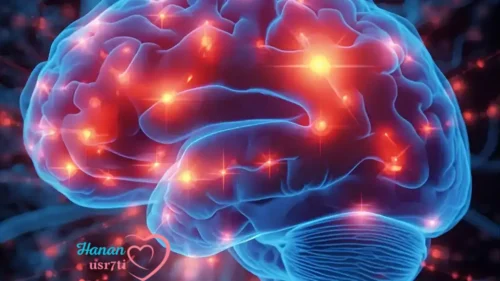
Neuroscience research reveals that human brains are naturally inclined toward trusting others, with brain regions associated with positive emotions and decision-making activating when someone trusts a close associate Psychology Today. This isn’t accidental—it’s evolutionary design.
Our ancestors survived in groups. Those who cooperated thrived; those who didn’t perished. Trust became the social glue enabling cooperation, resource sharing, and collective defense. Your brain inherited this legacy, wiring you for connection even when modern life sometimes makes trust risky.
This evolutionary perspective explains why social pain—the hurt from betrayal or rejection—activates the same neural pathways as physical pain. Your brain processes trust violations as genuine threats because, in ancestral environments, being cast out from the group often meant death.
The Neuroscience of Trust: What Happens in Your Brain
Oxytocin: The Trust Hormone’s Complex Role
The hormone oxytocin has been dubbed the “trust hormone” or “cuddle chemical,” but this nickname oversimplifies its function. Studies involving trust games revealed that when people received trust from others through monetary investment, their brains produced more oxytocin, and when participants received synthetic oxytocin through nasal spray, they gave strangers significantly more money Science of People.
However, oxytocin isn’t simply a “love drug.” Recent research questions whether its effects are solely positive and whether oxytocin studies replicate consistently. The reality appears more nuanced: oxytocin facilitates social bonding and trust, but its effects depend heavily on context, individual differences, and the specific relationship dynamics involved.
The Trust-Stress Paradox:
Interestingly, stress triggers oxytocin release—a survival mechanism encouraging us to seek social support during difficult times. This creates a paradox: moderate stress might actually enhance your capacity for connection by flooding your system with bonding hormones. However, chronic stress dysregulates these hormonal responses, eventually impairing your ability to trust and bond.
Dual-Process Theory: Two Systems for Trust Decisions
Your brain employs two distinct systems when deciding whom to trust—a fast intuitive system and a slow analytical system. The intuitive system makes split-second assessments based on emotional responses, facial expressions, body language, and gut feelings. The analytical system deliberates consciously, weighing evidence, considering past behavior, and calculating risks.
Both systems have value. Intuition helps you navigate situations requiring quick decisions—like whether to accept help from a stranger. Analysis protects you from manipulation by people who present well but lack substance. Problems arise when these systems conflict or when you over-rely on one at the expense of the other.
People with anxiety often have hyperactive analytical systems, constantly second-guessing intuitive trust signals. Others, particularly those who’ve experienced trauma, might have impaired intuitive systems that fail to detect genuine danger cues. Optimal trust decisions integrate both systems appropriately for each situation.
The Stranger Trust Paradox: Why We Place Our Trust of Others Against the Odds
The Surprising Reality of Trusting Strangers
Research involving trust game experiments found that more than half of college students chose to trust anonymous strangers to share money fairly, even though they estimated only a 37 percent chance of receiving money back Cornell Chronicle. From a purely economic standpoint, this behavior seems irrational. Why trust when odds predict betrayal?
The answer reveals something profound about human nature. Trusting strangers appears to stem more from feeling morally obligated to show respect for someone’s character than from actually believing the person is trustworthy APA. Participants in trust experiments consistently reported that trusting felt like “what they should do”—the morally correct action regardless of expected outcomes.
Trust as Social Obligation
This moral dimension of trust challenges purely transactional models of human behavior. We don’t trust only when we expect material benefit. We trust because treating others as worthy of trust affirms our own identity as moral beings. Refusing to trust—even when rational—feels disrespectful, insulting, and contrary to the social fabric we’ve evolved to maintain.
Consider the countless daily trust acts that make modern life possible: buying from online sellers you’ll never meet, leaving payment for produce at unstaffed farm stands, collaborating with colleagues on projects where you’re vulnerable to their mistakes. None of these interactions involve enforceable contracts or guaranteed outcomes. They function because we collectively choose trust as a moral baseline.
Why This Matters:
Understanding trust as moral obligation rather than pure calculation helps explain:
- Why we feel guilty declining to help strangers who ask
- Why trustworthy people often get taken advantage of repeatedly
- Why rebuilding trust after betrayal requires more than just changed behavior—it requires restored moral standing
- Why cultural messages about “trust no one” create internal conflict despite seeming pragmatic
Cultural and Individual Differences in Trust
How Culture Shapes Your Trust Baseline
Trust levels vary widely between cultures, with Americans generally more trusting than Germans or Japanese, and even within countries, such as Northern Italians being more willing than Southern Italians to keep money in banks Psychology Today. These differences aren’t random—they reflect historical patterns, institutional reliability, and collective experiences of cooperation or betrayal.
High-trust societies typically share several characteristics:
- Strong institutions with transparent, consistent enforcement of rules
- Low corruption in government and business
- Historical stability without major social disruptions
- Economic prosperity that reduces zero-sum competition
- Social mobility allowing trust between different classes
Low-trust societies often emerged from opposite conditions: institutional corruption, historical trauma, economic scarcity, rigid hierarchies, or repeated collective betrayals. If you grew up in a low-trust environment, your cautious approach to trusting others isn’t paranoia—it’s adaptive learning based on genuine environmental feedback.

Personality Traits Predicting Trust Patterns
Certain personality characteristics consistently predict both trustworthiness and trust propensity:
High Trustworthiness Correlates:
- Agreeableness (tendency toward cooperation and compassion)
- Conscientiousness (reliability and responsibility)
- Guilt-proneness (anticipating negative feelings after wrongdoing)
High Trust Propensity Correlates:
- Agreeableness (again)
- Openness to experience (curiosity and willingness to take social risks)
- Secure attachment style (confidence in relationships)
- High self-esteem (positive self-concept)
Understanding your personality profile helps you recognize your trust tendencies. If you’re highly agreeable and open, you might need to consciously develop discernment to avoid being exploited. If you’re low in these traits, you might need to practice giving people chances even when it feels uncomfortable.
Attachment Theory and Your Trust Template
Your early relationships with caregivers created an internal working model for all future relationships—including how much you trust others. Research identifies personal factors like reputation, propensity to trust, and emotional state as influencing trust development, with some researchers asserting that the trustor’s propensity to trust is perhaps the most influential factor PubMed Central.
Attachment Styles and Trust Patterns:
| Attachment Style | Trust Characteristics | Relationship Dynamics |
|---|---|---|
| Secure | Balanced trust—neither naive nor overly suspicious | Comfortable with both intimacy and independence |
| Anxious-Preoccupied | Eager to trust but fearful of abandonment | Seeks constant reassurance, sensitive to perceived rejection |
| Dismissive-Avoidant | Distrusting and self-reliant | Minimizes need for others, maintains emotional distance |
| Fearful-Avoidant | Conflicted—wants trust but expects betrayal | Approaches then withdraws in relationships |
The good news? Attachment styles aren’t permanent. Through awareness, secure relationships, and sometimes therapy, you can shift toward more secure trust patterns regardless of your starting point.
Building Trust: The Asymmetry Problem
Why Trust Takes Years to Build and Seconds to Destroy
One of the most challenging aspects of trust is its fundamental asymmetry. Building trust requires consistent, reliable behavior over extended periods. Destroying trust can happen in a single moment of betrayal. This asymmetry isn’t fair, but it’s psychological reality rooted in survival logic.
Your brain evolved to remember threats more vividly than rewards—a negativity bias that kept ancestors alive. One poisonous berry could kill, so remembering dangerous foods mattered more than remembering good ones. Similarly, one major betrayal could mean disaster, so remembering untrustworthy people mattered intensely.
The Trust Building Timeline:
Research suggests approximate timeframes for developing trust:
- Initial trust decision: Made within seconds based on first impressions
- Acquaintance trust: Develops over approximately 50 hours of interaction
- Close friend trust: Requires roughly 200 hours together
- Deep intimate trust: Takes years of consistent behavior through various life circumstances
These aren’t rigid rules—you might trust someone deeply after a single intense shared experience, or remain suspicious of someone despite years of acquaintance. But they indicate the general investment trust requires.
The Three-Phase Trust Development Process
Phase 1: Calculative Trust (Rational Assessment)
In early interactions, you calculate whether trusting someone serves your interests. You weigh potential benefits against risks, assess their competence and reliability, and make conscious decisions about vulnerability. This phase feels transactional because it is—you’re testing whether the relationship offers mutual benefit.
Phase 2: Knowledge-Based Trust (Predictability)
As you gain experience with someone, you develop predictive knowledge about their behavior. You know how they’ll react to different situations, what triggers them, what they value. This predictability enables confident trust because you can anticipate their responses. Most professional relationships stay in this phase.

Phase 3: Identification-Based Trust (Shared Values)
The deepest trust emerges when you internalize the other person’s goals, values, and perspectives to the point where you can represent their interests as if they were your own. You trust them completely because you understand their core motives and know they align with yours. This level characterizes the strongest marriages, partnerships, and friendships.
Not all relationships need to reach phase three. Your relationship with your dentist probably stays at phase two, and that’s appropriate. Understanding which phase fits each relationship helps you calibrate expectations and avoid either over-trusting or under-trusting given the context.
When Trust Breaks: Understanding Betrayal Trauma
The Unique Pain of Betrayal
Betrayal trauma, introduced by psychologist Jennifer Freyd in 1991, describes the psychological distress from being betrayed by someone you trust and depend upon, with effects differing from non-interpersonal traumas like natural disasters Medical News Today. When a stranger harms you, it’s terrible. When someone you trusted harms you, it’s devastating in a qualitatively different way.
Betrayal combines three distinct wounds:
- The loss of the relationship itself—the person you thought you knew no longer exists
- The loss of your belief system—your understanding of reality has been shattered
- The loss of self-confidence—you question your judgment about whom to trust
This triple wound explains why betrayal often hurts more than the actual harmful behavior. Being cheated on, for instance, hurts not just because of sexual exclusivity violation but because it destroys your mental model of your partner, your relationship, and your ability to assess trustworthiness.
How Betrayal Changes Your Brain and Behavior
Betrayal trauma theory suggests that survivors become at increased risk of making inaccurate trust decisions in interpersonal contexts, potentially interfering with intimacy and elevating revictimization risk Illinois Experts. Paradoxically, betrayal can push people in opposite directions:
Two Common Post-Betrayal Patterns:
- Hypervigilance (over-defensive): You become suspicious of everyone, seeing threats everywhere, never allowing yourself vulnerability
- Repetition compulsion (under-defensive): You unconsciously seek similar relationships, repeating familiar betrayal patterns
Neither pattern serves you well. Hypervigilance protects you from further harm but isolates you from connection. Repetition compulsion feels familiar but exposes you to continued mistreatment.
Research shows that people with high betrayal trauma histories report significantly lower general and relational trust. Interestingly, while they report being less trusting, their actual behavior in trust games doesn’t always reflect this decreased trust—suggesting a disconnect between conscious attitudes and unconscious behavior patterns.
Betrayal Blindness: The Adaptive Defense
When someone you depend on betrays you, you face an impossible dilemma: acknowledge the betrayal and lose critical support, or deny the betrayal and maintain the relationship. Betrayal blindness functions as an adaptive mechanism allowing victims to stay in relationships with perpetrators, but it also works maladaptively through difficulty remembering trauma, self-blaming, and normalizing harmful experiences ScienceDirect.
Children who experience abuse from caregivers often exhibit betrayal blindness because they cannot survive without those caregivers. Adults in abusive relationships sometimes show similar patterns—denying red flags, minimizing harm, defending the abuser—because leaving feels more dangerous than staying.
Understanding betrayal blindness helps you compassionately examine your own past. If you ignored obvious warning signs in a relationship, you weren’t stupid. You were employing a survival strategy that, while no longer serving you, once protected you from unbearable awareness.
The Science of Trust Repair: Can Broken Trust Be Fixed?
The Asymmetry of Trust Destruction and Restoration
If building trust is slow and destroying it quick, repairing broken trust falls somewhere in between—faster than building from scratch but far slower than the moment of destruction. Trust repair varies along a continuum from no repair, where trust remains at post-breach levels or worsens, to complete repair where trust returns to original pre-breach levels, with the resistance threshold set by the person whose trust was broken Cmu.
Factors Affecting Trust Repair Success:
- Severity of betrayal: Minor disappointments repair faster than major violations
- Relationship history: Longer positive histories provide more repair foundation
- Betrayer’s response: Genuine accountability versus defensiveness
- Pattern vs. incident: Single mistakes repair better than repeated violations
- Victim’s alternatives: Those with options may be less willing to attempt repair
- Cultural context: Some cultures emphasize forgiveness more than others
The Trust Repair Roadmap
Research-based steps for attempting trust repair:
1. Immediate Response: Own It Completely
The betrayer must acknowledge wrongdoing without excuses, defensiveness, or minimization. “I’m sorry you feel hurt” doesn’t work. “I betrayed your trust by [specific action] and that was wrong” does.
2. Short-Term: Demonstrate Understanding
The betrayer needs to show they understand the full impact of their actions—not just surface consequences but deeper wounds to security, identity, and belief systems.
3. Medium-Term: Behavioral Consistency
Words matter little compared to sustained changed behavior. The betrayer must demonstrate trustworthiness through actions over months or years, accepting that the victim controls the repair timeline.
4. Long-Term: Rebuilt Patterns
Eventually, new patterns of interaction create fresh relationship history. The betrayal becomes part of the story but not the defining story. This phase can’t be rushed.
When Trust Repair Fails: Recognizing the Irreparable
Not all broken trust can or should be repaired. Sometimes the healthiest choice is accepting that certain betrayals created permanent damage. This isn’t failure—it’s wisdom.
Signs trust may be irreparable:
- The betrayer refuses accountability or genuine remorse
- Patterns of repeated violations despite promises to change
- The victim experiences retraumatization through repair attempts
- Fundamental value incompatibilities surfaced through the betrayal
- The cost of staying exceeds any potential benefit
- Victim intuition consistently signals danger despite betrayer’s words
Letting go of relationships where trust can’t be restored isn’t giving up. It’s honoring yourself by refusing to accept crumbs of connection where you deserve nourishment.
Protecting Your Trust Capacity: Discernment vs. Cynicism
The Crucial Difference Between Healthy Caution and Toxic Distrust
After betrayal, many people swing toward cynicism—a defensive stance where you preemptively distrust to avoid future hurt. While understandable, cynicism differs profoundly from discernment:
Cynicism: “Nobody can be trusted, everyone will eventually betray you” Discernment: “Some people are trustworthy and some aren’t, I’ll observe carefully before trusting deeply”
Cynicism feels protective but actually harms you by:
- Creating self-fulfilling prophecies where you push away trustworthy people
- Generating chronic stress from constant suspicion
- Robbing you of connection’s psychological and health benefits
- Limiting opportunities requiring collaborative trust
Discernment, meanwhile, involves intelligent trust—neither naive nor paranoid. You start new relationships with openness while simultaneously gathering information about trustworthiness. You trust incrementally, matching vulnerability to demonstrated reliability.
Red Flags: When Your Gut Speaks, Listen
Sometimes discernment means recognizing legitimate warning signs. Trust your instincts when you notice:
Behavioral Red Flags:
- Consistent discrepancies between words and actions
- Failure to take accountability when clearly wrong
- Isolation attempts (discouraging your other relationships)
- Excessive charm or love-bombing early on
- Boundary violations even after you’ve expressed limits
- Blame-shifting and making you responsible for their feelings
- Secretiveness or evasiveness about basic life details
- How they treat service workers, animals, or vulnerable people
Emotional Red Flags:
- You feel consistently anxious or on-edge around them
- You question your own perceptions or sanity regularly
- You feel diminished or “less than” in their presence
- You hide parts of yourself to avoid their reaction
- You make excuses for their behavior to others
These signals exist for your protection. Dismissing them as paranoia or “trust issues” can cost you dearly.
Graduated Trust: The Goldilocks Approach
Neither trusting everyone immediately nor trusting no one ever works well. Graduated trust provides a middle path:
Level 1 – Initial Trust (Surface Interactions) Appropriate for: New acquaintances, service professionals, casual connections Risk level: Low—you share public information, no deep vulnerability
Level 2 – Growing Trust (Emerging Friendships) Appropriate for: People who’ve demonstrated basic reliability over multiple interactions Risk level: Moderate—you share more personal information, test responsiveness
Level 3 – Deep Trust (Close Relationships) Appropriate for: Those proven trustworthy through extended time and various circumstances Risk level: High but informed—you share vulnerabilities, depend on them emotionally
Level 4 – Absolute Trust (Rare and Precious) Appropriate for: The few who’ve earned complete confidence through years of unwavering reliability Risk level: Highest but usually worth it—you’re fully vulnerable, they know everything
Most relationships should stay at levels 1-2. Level 3 might characterize close friends and long-term partners. Level 4 exists for perhaps only a handful of people across your lifetime—and that’s normal.
Rebuilding Personal Trust Capacity After Trauma
Understanding Your Trust Injury
Before rebuilding, understand what damaged your trust. Different betrayals create different wounds requiring different healing:
Childhood Betrayals (by caregivers)
- Create fundamental insecurity about whether you’re worthy of trust
- Require rebuilding your core sense of self and safety
- Often benefit from professional therapeutic support
- Healing involves separating past wounds from present relationships
Adult Relationship Betrayals (by partners)
- Shatter your mental model of a specific person and relationship
- Require grieving both the relationship and your imagined future
- May trigger earlier attachment wounds needing separate healing
- Healing involves rebuilding discernment about romantic partners
Institutional Betrayals (by organizations, systems)
- Destroy faith in structures supposedly designed to help you
- Create cynicism about authority and social institutions
- May involve community-level healing, not just individual
- Healing involves finding or creating trustworthy systems
Practical Steps for Trust Recovery
1. Validate Your Experience Your pain is legitimate. Betrayal hurts because trust mattered. Don’t minimize what happened or rush your healing. Feelings aren’t facts, but they’re valid signals requiring acknowledgment.
2. Separate Past from Present Not everyone is your betrayer. The new person you’re meeting isn’t responsible for what your ex-partner did. This sounds obvious but requires conscious practice.
3. Start Small and Build Gradually You don’t need to trust deeply immediately. Practice small trust acts with low stakes: Ask someone to grab you coffee. Share a minor frustration. Accept help with a manageable task. These micro-practices rebuild trust muscle.
4. Notice Evidence of Trustworthiness Your brain’s negativity bias makes you notice potential betrayals while overlooking reliability. Consciously catalog evidence when people prove trustworthy: “Sarah called when she said she would.” “Marcus kept my secret.” “The daycare staff demonstrated competence.”
5. Challenge Catastrophic Thinking When anxiety whispers “everyone will betray you,” challenge with evidence: “Some people have betrayed me. Others haven’t. I can learn to distinguish between them.”
6. Address Trauma-Specific Symptoms If you experience PTSD symptoms—flashbacks, hypervigilance, emotional numbing—consider trauma-focused therapy like EMDR or somatic experiencing. General talk therapy helps, but trauma-specific approaches work better for betrayal trauma.
7. Practice Vulnerable Communication Rebuild trust by practicing honest communication in safe relationships. Share when you feel scared. Name when behavior triggers old wounds. True trust includes showing your humanity.
When to Seek Professional Support
Consider professional help if:
- Trust issues significantly impair your relationships, career, or daily functioning
- You experience trauma symptoms like flashbacks or severe anxiety
- You repeatedly choose untrustworthy people despite conscious intentions otherwise
- You feel completely unable to trust even after extended time since betrayal
- Self-help strategies haven’t improved your situation after genuine effort
Therapy isn’t weakness—it’s wisdom. Betrayal trauma is real trauma requiring sometimes professional intervention, not just willpower.
Teaching Children About Trust: An Essential Life Skill
The Trust Paradox for Parents
Parents face a difficult balance: teach children to trust (necessary for healthy development) while also teaching caution (necessary for safety). Overemphasizing either creates problems:
Too Much Trust Teaching: Children become naive, failing to recognize manipulation or danger
Too Much Caution Teaching: Children become anxious, suspicious, and unable to form healthy attachments
The Balanced Approach: Teach graduated trust—start with openness, gather information, adjust trust levels based on behavior, and maintain appropriate boundaries
Age-Appropriate Trust Education
Early Childhood (Ages 3-7):
- Teach body autonomy (“Your body belongs to you”)
- Identify “safe adults” in their life
- Practice saying “no” to uncomfortable requests
- Explain that secrets about safety aren’t okay
Middle Childhood (Ages 8-12):
- Discuss the difference between privacy and secrecy
- Teach basic red flags (adults asking children to hide things)
- Practice trust scenarios (“What would you do if…?”)
- Model healthy boundaries in your own relationships
Adolescence (Ages 13-18):
- Explore trust in friendships and romantic relationships
- Discuss consent and reciprocity in relationships
- Teach them to trust their instincts about people
- Process experiences where trust was broken
Modeling Trust: Your Behavior Speaks Loudest
Children learn more from watching how you handle trust than from any lecture. They notice:
- How you respond when they make mistakes
- Whether you gossip about friends who disappointed you
- How you handle conflict in your marriage
- Whether you keep your promises to them
- How you react when strangers help or disappoint you
Your lived example creates their internal template for trust. If you want them to develop healthy trust patterns, model discernment, boundary-setting, forgiveness when appropriate, and the courage to trust again after hurt.
Conclusion: Trusting Wisely in an Uncertain World
Trust sits at the heart of human experience—enabling cooperation, intimacy, and all meaningful relationship. Yet trust also creates vulnerability, exposing us to potential betrayal and pain. This tension never fully resolves. Even the wisest, most discerning people sometimes trust wrongly and sometimes fail to trust when they should.
The goal isn’t perfect trust decisions. The goal is developing mature trust capacity: the ability to calibrate trust appropriately for each person and situation, to recover when betrayed without becoming cynical, to protect yourself without isolating yourself, and to continue taking social risks despite knowing that some people will disappoint you.
Your capacity to trust others directly impacts your life quality. Trust exerts an impact on essentially all forms of social relationships, affecting individuals in deciding whether and how they will interact with other people, and influencing the stance of entire nations in their mutual dealings PubMed Central. The research is clear: people with strong social connections live longer, report greater happiness, and navigate life’s challenges more successfully than isolated individuals. Trust makes those connections possible.
After betrayal, it’s tempting to close down, to decide that trust isn’t worth the risk. But closing yourself off from trust means closing yourself off from life’s greatest goods: love, friendship, collaboration, community. The courage to trust again—wisely, gradually, with appropriate discernment—is the courage to fully live.
Your trust isn’t limitless. Neither is it unimportant. It’s precious. Guard it carefully, offer it generously to those who earn it, and reclaim it from those who betray it. Most importantly, never let others’ untrustworthiness destroy your capacity for trust itself. That capacity is yours, not theirs to take.
Begin today: notice one person who’s proven trustworthy and acknowledge it. Take one small risk to trust someone appropriately. Challenge one cynical thought with evidence of human goodness. These micro-choices, repeated consistently, rebuild trust from the inside out—not naive trust that ignores reality, but mature trust that embraces human imperfection while still believing in human potential.
The world needs your trust. Not careless trust that enables harm, but courageous trust that creates connection despite risk. That’s the trust that changes everything.
Frequently Asked Questions About Trust
1. How long does it take to rebuild trust after a major betrayal in a relationship?
There’s no fixed timeline for trust repair—it depends on betrayal severity, relationship history, the betrayer’s response, and the victim’s healing process. Research suggests minor trust breaches might repair within months with consistent trustworthy behavior, while major betrayals like infidelity typically require one to three years of demonstrated change. However, some survivors report that while functional trust might return, complete restoration to pre-betrayal levels rarely happens. The relationship often becomes different rather than the same. Rushing this process by pressuring yourself or your partner to “move on” typically backfires. Trust repair requires patience, consistency, genuine remorse, and changed behavior sustained over time. If no meaningful progress occurs after extensive effort, the relationship may not be salvageable.
2. Why do I keep trusting people who hurt me? Am I just naive or self-destructive?
Repeated trust in untrustworthy people often stems from psychological patterns rather than naivety. Betrayal trauma can create what psychologists call “repetition compulsion”—unconsciously seeking relationships that feel familiar, even when that familiarity involves betrayal. If you experienced early attachment disruptions, you might have internalized the belief that love includes hurt, making you more tolerant of violations. Additionally, some personality traits like high agreeableness or people-pleasing tendencies can override your danger detection. This isn’t self-destruction—it’s learned behavior from environments where trust violations were normalized. Breaking this pattern requires identifying your specific trust vulnerabilities, understanding their origins, consciously recognizing red flags earlier, setting and maintaining boundaries, and sometimes working with a therapist to address underlying trauma. You’re not broken; you’re responding to past programming that no longer serves you.
3. Is it possible to trust too much? What are the dangers of being overly trusting?
Yes, excessive trust poses genuine risks. People with Williams Syndrome, a rare genetic disorder, trust everyone indiscriminately—even strangers who display untrustworthy behaviors—illustrating how appropriate distrust serves protective functions. Overly trusting people may ignore warning signs, give untrustworthy individuals repeated chances that endanger their wellbeing, share sensitive information prematurely, and become targets for exploitation. The dangers include financial abuse, emotional manipulation, physical safety risks, and damage to your ability to protect others depending on you (like children). However, “too trusting” differs from “trusting appropriately based on evidence.” If you trust everyone equally regardless of their behavior, you need better discernment. If you trust gradually while gathering trustworthiness information, you’re likely appropriately trusting. Balance involves starting relationships with openness while remaining alert to red flags, adjusting trust levels based on demonstrated reliability, and accepting that healthy skepticism isn’t pessimism—it’s wisdom.
4. How do cultural differences affect trust, and should I adjust my trust expectations when interacting with people from different backgrounds?
Cultural trust variations are significant and reflect different social structures, historical experiences, and institutional reliability. High-trust cultures (like Scandinavia) emerged from stable institutions, low corruption, and strong social safety nets that make trusting strangers relatively safe. Low-trust cultures developed through historical trauma, institutional corruption, resource scarcity, or weak enforcement mechanisms that made caution adaptive. These differences manifest in everything from business negotiations to friendship formation timelines. When interacting cross-culturally, avoid judging someone’s caution as hostility or their immediate trust as naivety—recognize it as cultural adaptation. Adjust expectations: understand that trust-building might require more time, formality, and explicit agreements in low-trust cultures, while high-trust cultures might expect faster informal connection. Most importantly, don’t assume everyone from a culture shares identical trust patterns—individual variation within cultures often exceeds variation between cultures.
5. After experiencing betrayal trauma, how do I know when I’m ready to trust again versus still healing?
Several indicators suggest you’re approaching readiness to trust appropriately again. First, you can think about the betrayal without overwhelming emotional dysregulation—the memory still hurts but doesn’t incapacitate you. Second, you recognize that not everyone is your betrayer and can distinguish past from present relationships. Third, you’ve identified what red flags you missed and feel confident you’d recognize them earlier now. Fourth, you’ve processed your emotions through therapy, journaling, or supportive relationships rather than suppressing them. Fifth, you feel curious about new connections rather than terrified. However, “ready” doesn’t mean fearless—some anxiety about trusting is normal and even adaptive after betrayal. The goal isn’t eliminating all fear but managing it proportionally. If anxiety prevents any new relationships, continues dominating your life years post-betrayal, or if you’re repeating old patterns, you may need additional healing work. Trust yourself: if opening to someone new feels like growth rather than compulsion or terror, you’re likely ready for small, graduated trust risks.
Note: This article synthesizes current psychological research, neuroscience findings, and clinical insights about trust. While grounded in evidence, individual experiences vary. If you’re struggling with trust issues affecting your daily functioning or mental health, please consult a licensed mental health professional for personalized support.