

- Advertisement -
When Do You Give Infants Water? Age, Amount & Safety Tips
When Do You Give Infants Water? The Complete Parent's Guide

- Advertisement -
When Do You Give Infants Water?
If you’ve ever found yourself standing in the kitchen at 2 a.m., baby in one arm and a half-filled glass of water in the other hand, wondering whether it’s okay to offer your little one a sip — you’re absolutely not alone. When do you give infants water is one of the most commonly Googled questions by new parents, and it’s one that comes loaded with confusion, well-meaning but conflicting advice from relatives, and plenty of parenting anxiety. The short answer is: not as early as most people think. But the long answer involves understanding your baby’s physiology, the risks of going too soon, and how to do it right when the time comes.
Here’s the thing — water is the elixir of life for adults, but for a tiny, rapidly developing infant, it can actually be dangerous in the wrong amounts at the wrong time. Think of your baby’s digestive and renal systems like a brand-new smartphone that hasn’t finished its setup process yet. Sure, the hardware looks complete from the outside, but you wouldn’t try to run advanced software on it before it’s fully initialized. Your baby’s kidneys work the same way — they’re not equipped to handle free water in the early months. This guide is going to break down everything you need to know, backed by the latest guidance from pediatricians and major health organizations, so you can make confident, safe decisions for your child.
Understanding Your Baby’s Hydration Needs
How Breast Milk and Formula Hydrate Your Baby
One of the most surprising facts for many new parents is that breast milk and infant formula are already approximately 87–88% water. That means every single feeding your baby gets is delivering a powerful hydration punch alongside all the fat, protein, antibodies, and calories they need. Until around 6 months, babies get all the hydration they need from breast milk or infant formula. Medical News Today This is not a rough estimate or a “probably fine” kind of statement — it is a well-established, evidence-backed medical fact confirmed by leading health bodies around the world.
What’s truly remarkable about breast milk is that it actually adapts to your baby’s needs. On hot summer days or when your baby is running a mild fever, the composition of breast milk naturally shifts to deliver more fluid. So when grandma suggests giving the baby “just a little water” during a heat wave, she genuinely means well — but she doesn’t need to. During hot weather or when a baby has a fever, caregivers can offer more regular milk feeds, but water is unnecessary. Medical News Today More frequent nursing or bottle feeding is all your baby needs to stay comfortable and hydrated in warm conditions. The milk itself does the heavy lifting.
For formula-fed babies, the same principle applies. As long as formula is prepared correctly according to the manufacturer’s instructions — not diluted, not concentrated — it provides everything your baby needs, including the right balance of fluids and electrolytes. The key phrase here is “prepared correctly,” because diluting formula with extra water to “stretch” it is actually one of the more common ways water intoxication happens in infants, which we’ll explore in detail shortly.

Why Infant Kidneys Aren’t Ready for Plain Water
Your baby’s kidneys are genuinely miraculous little organs, but they take time to mature. In the first few months of life, an infant’s kidneys have a very limited capacity to process excess fluids and regulate electrolyte balance — specifically sodium. For babies under 6 months, they also need fluids with enough sodium since their kidneys are not fully developed to adjust their sodium levels. In the extreme, too much water could lead to seizures. ParentData This is not a theoretical risk. Medical literature is peppered with documented case reports of infants experiencing seizures after being given excessive amounts of plain water.
Think of it like this: your baby’s kidneys right now are operating like a small-town water treatment plant. They can handle the regular village load just fine. But if you suddenly pipe in water from a major city reservoir, the plant gets overwhelmed. That’s what happens physiologically when you give too much plain water to a young infant — the kidneys simply cannot keep up, sodium levels in the blood drop dangerously, and the consequences can be severe. This isn’t meant to frighten you. It’s meant to help you understand the biological “why” behind the 6-month rule so it doesn’t feel arbitrary.
When Do You Give Infants Water? The Official Answer
The 6-Month Milestone Explained
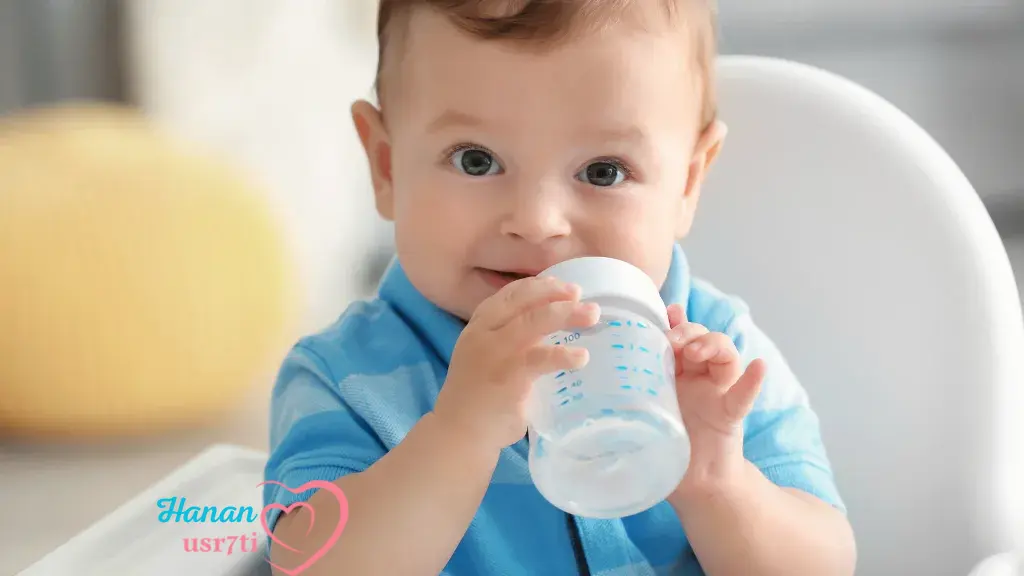
So, when do you give infants water? The answer that every major pediatric health organization agrees on is: at around 6 months of age, and not a moment sooner. A baby should drink only breast milk or formula until they’re six months old. They have all the hydration and nutrition they need in the early months. Even when you start giving them purees or table food at 4–6 months, breast milk and formula are still more important than water. WebMD This is the point at which babies typically begin transitioning to solid foods, their digestive and renal systems have matured enough to handle a small amount of water, and they’re developmentally ready to start learning how to sip from a cup.
The 6-month milestone is significant for several reasons beyond just hydration. It’s when the gut is generally considered mature enough to reduce the risk of introducing allergens and new foods, and it aligns with the World Health Organization’s recommendation for exclusive breastfeeding. When water is introduced alongside early solids, it serves a new functional purpose — it helps babies rinse food residue from their developing teeth and gums, and it begins the lifelong habit of reaching for water as a primary beverage.
What Health Authorities Like the CDC and AAP Say
According to the Centers for Disease Control and Prevention (CDC), parents can start giving a baby 4–8 ounces of water when the child is 6 months old. Babies can also begin eating solid foods at this time. Organic Life Start The American Academy of Pediatrics (AAP) echoes this guidance without ambiguity. The American Academy of Pediatrics guidelines say water can be introduced at around 6 months. ParentData These aren’t guidelines pulled out of thin air — they’re based on decades of pediatric research, clinical observations, and an evolving understanding of infant physiology. The consistency across multiple authoritative organizations should give you real confidence in this recommendation.
It’s worth emphasizing that these guidelines specifically say “around 6 months” — which means before 6 months is a hard no, but you don’t need to panic if your 6-month-old hasn’t had their first sip of water yet. You can take your time with the introduction, and many pediatricians recommend waiting until your baby is comfortably eating some solid foods before adding water to the mix. Always confirm with your own healthcare provider before making changes to your baby’s feeding routine.
How Much Water Can You Give a Baby After 6 Months?
Age-by-Age Water Intake Guide (6–12 Months)
Once you’ve hit that golden 6-month mark, the question shifts from whether to give water to how much. The answer is: start small. The recommended amount for 6 to 12-month-old babies is about 4 to 8 ounces (0.5 to 1 cup) of water per day. Pampers That might sound like very little — and it is, by adult standards — but remember that your baby is still getting the vast majority of their fluids and nutrition from breast milk or formula. Water at this stage is supplemental, not primary.
Here’s a helpful breakdown you can refer to:
| Age | Water Allowed? | Recommended Daily Amount | Primary Fluid Source |
|---|---|---|---|
| 0–6 months | No | None | Breast milk or formula only |
| 6–12 months | Yes (small amounts) | 4–8 oz (½ to 1 cup) per day | Breast milk or formula |
| 12–24 months | Yes | Up to 8 oz (1 cup) per day | Whole cow’s milk + water |
| 2–5 years | Yes | 1–4 cups per day | Water as primary drink |
Overall, water is generally considered optional between 6–12 months, as breast milk and formula contain sufficient water for infants under 1 year old. Huckleberry So if your 8-month-old refuses the sippy cup on some days, that’s completely fine. The goal at this stage is gentle exposure, not strict hydration targets.

How to Introduce Water — Tips and Best Practices
Introducing water to a baby for the first time is a bit like introducing them to vegetables — it takes patience, repetition, and a willingness to let things get a little messy. Start by offering a small open cup or a soft-spouted sippy cup with just an ounce or two of plain water alongside a solid food meal. This timing makes sense because the water serves a practical role: it helps move food along and provides a gentle rinse for the gums and emerging teeth.
Keep the following practical tips in mind as you navigate this new chapter. Always offer plain, unflavored water — no juice, no flavored water, no sweetened drinks. It’s best to stick with plain water for babies. This helps them learn to like the taste of plain water before other beverages are introduced while avoiding any additives, sugar, or dissolved minerals that may not be suitable for babies. Huckleberry Don’t stress if they seem uninterested at first; breast milk and formula taste sweet and complex, and plain water can seem bland by comparison. Keep offering consistently, and most babies will warm up to it within a few weeks.
The Real Dangers of Giving Water Too Soon
Water Intoxication (Hyponatremia) in Infants — What Every Parent Must Know
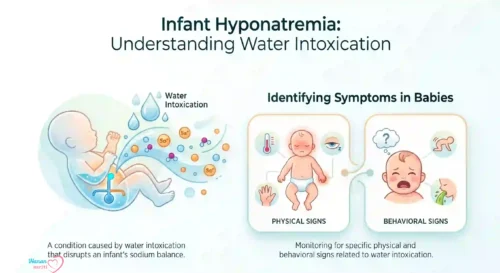
This is the section most parenting articles gloss over, but it’s arguably the most important. Water intoxication, clinically known as hyponatremia, is a genuine medical emergency that can occur in infants who receive too much plain water. Water poisoning or water intoxication, also called hyponatremia, is a condition in which the sodium level in the blood becomes abnormally low. Drinking too much water can cause this condition, which can lead to seizures. A baby who is given water under the age of 6 months may be at risk for this condition. Pampers
The medical literature has documented real-world cases that illustrate just how serious this can be. Hyponatremia in children, especially in normal infants below the age of six months, is a common cause of the first onset of afebrile convulsions, which can be rarely associated with water intoxication and can lead to a state of encephalopathy and status epilepticus if not diagnosed and managed properly early. PubMed Central One published case involved a five-month-old girl who was admitted to hospital with seizures, facial puffiness, and cyanosis — all directly caused by being given excessive plain water between formula feedings. She recovered, but the case highlights how quickly things can escalate.
Since the brain is the organ most susceptible to water intoxication, a change of behavior is usually the first symptom. They may become confused, drowsy, or inattentive. They also may suffer from blurred vision, muscle cramps and twitching, poor coordination, nausea and vomiting, irregular breathing, and weakness. St. Louis Children’s Hospital In babies, this may look like unusual drowsiness, limpness, poor feeding, or swelling around the face. If you notice any of these symptoms after a baby has consumed water, seek emergency medical attention immediately. Don’t wait and see.
Nutritional Displacement — The Hidden Risk
Beyond the dramatic risk of water intoxication, there’s a quieter, more insidious danger that deserves just as much attention: nutritional displacement. Babies have tiny stomachs. When water fills that limited space, it crowds out breast milk or formula — the calorie- and nutrient-dense liquids that are actually driving your baby’s brain development, bone growth, and immune function. The primary reason to avoid water for babies is that it displaces nutrition. Up to a year, babies get a lot of their calories through liquid, either breast milk or formula. If your baby started drinking just water, it could easily displace some of their breast milk or formula intake, which is a potential problem. ParentData
This nutritional displacement effect is why even well-intentioned caretakers — parents trying to soothe a crying baby on a hot day, or grandparents who raised children decades ago under different guidelines — can inadvertently cause harm. Diluting infant formula beyond the manufacturer’s directions reduces the nutrients your baby is getting. This can lead to slowed growth and development, electrolyte imbalances, and possibly seizures. Pampers The formula directions exist for a precise reason. Every scoop-to-water ratio has been calculated to provide optimal nutrition — changing it, even slightly, disrupts that carefully engineered balance.
Signs Your Baby Is Well-Hydrated
The Wet Diaper Check
One of the most reliable and simple ways to assess whether your baby is getting enough fluids is to count their wet diapers. You don’t need any medical equipment — just your eyes and a little awareness. The best way to know if your baby is adequately hydrated is to watch their diapers. Babies should have at least 6 wet diapers a day to indicate they are adequately hydrated. Huckleberry In the first few days after birth, you might see fewer wet diapers as your milk supply is establishing, but by day 5 or 6, you should be hitting that six-diaper target consistently.
Beyond diaper counting, other positive signs of good hydration include: bright eyes with tears when your baby cries, moist lips and gums, good skin elasticity (when you gently pinch your baby’s skin, it springs back quickly), steady weight gain on their growth curve, and an overall alert, active demeanor. Dr. Melanie Wilson-Taylor, a pediatrician at NewYork-Presbyterian Komansky Children’s Hospital, notes that “dehydration can also happen in just a few hours, especially with babies and young children who are losing water and not drinking, so it’s important to know the signs.” NewYork-Presbyterian Staying observant is your best tool as a parent.
Signs of Dehydration in Infants — When to Seek Help
Even though we’ve spent most of this article warning about giving too much water, dehydration is a real concern too — particularly during illness. Babies can become dehydrated quickly because of their small body size and the relatively high proportion of water in their total body weight. The signs to watch for include a dry or sticky mouth, sunken eyes, fewer than six wet diapers per day, a sunken fontanelle (the soft spot on top of the head), unusual lethargy or limpness, and crying without tears.
In babies, keep in mind the number of wet diapers. Six to eight wet diapers a day is normal — so if your baby has less than three or four a day, that is a sign of dehydration. If the fontanelle is sunken or pressed in, that’s a sign of more significant dehydration. NewYork-Presbyterian These physical markers are your early warning system. The body is communicating loudly through these visible signs, and it’s important not to dismiss them or wait too long before calling your doctor.
When to Call Your Pediatrician Immediately
There are certain situations that warrant an urgent phone call or a trip to the emergency room rather than a “wait and see” approach. Don’t give babies plain water instead of oral rehydration solution. It doesn’t have the right nutrients for babies with dehydration. KidsHealth So if your doctor advises rehydration, use a product like Pedialyte as directed — never just plain water. You should seek immediate medical help if your baby under 12 months has not had a wet diaper in 6 hours or more, is refusing all feedings, has a sunken fontanelle, appears extremely lethargic or difficult to wake, or is showing any signs of labored breathing.
If your child is showing any symptoms of dehydration, you should call their pediatrician to talk about the best course of action. Ideally, you want to catch dehydration when it is mild so that you can treat it at home. Lurie Children’s Early intervention makes a huge difference in outcomes. Dehydration that might be manageable with an oral rehydration solution at home can escalate to IV fluids in a hospital if left too long. Your pediatrician would always rather you call and it turn out to be nothing than not call and have a serious situation worsen.
What Type of Water Is Best for Babies?
Tap Water vs. Bottled Water vs. Boiled Water
Once your baby is old enough to have water, you might find yourself wondering which type of water is safest. In most developed countries, tap water is generally safe for babies over 6 months, but there are important nuances depending on where you live and what your local water infrastructure looks like. If the water isn’t safe, you could use bottled water instead or boil the tap water for mixing with infant formula or for giving your baby once they’re over 6 months old. To boil tap water, bring cold water to a boil for 1 minute. Then set it aside to cool to room temperature for about 30 minutes before using it. It’s a good idea to test the water on your wrist to ensure it’s at room temperature before giving it to your baby. Pampers
Here’s a quick comparison to help you decide what’s right for your situation:
| Water Type | Safety for Babies | Key Considerations |
|---|---|---|
| Municipal tap water | Generally safe after 6 months | Check local water quality reports |
| Boiled tap water | Safe once cooled | Kills microbes; use for under-2-month premature babies with formula |
| Bottled still water | Safe | Choose low-mineral, low-sodium varieties |
| Well water | Requires testing | May contain nitrates; always test before use |
| Flavored/sparkling water | Not recommended | Contains additives or CO₂ not suitable for babies |
The Fluoride Question
Fluoride is added to many municipal water supplies to support dental health, which is generally beneficial — but there’s a nuance when it comes to infants. If you’re using tap water to mix infant formula, check whether it contains fluoride. Using fluoridated water all the time can increase the risk of dental fluorosis — a harmless condition that may cause faint white spots on the teeth. To lower that risk, you can alternate with low- or no-fluoride bottled water. Huckleberry Dental fluorosis is a cosmetic issue, not a health one, but many parents prefer to minimize the risk by alternating between fluoridated tap water and low-fluoride bottled water when mixing formula or offering sips to older babies.
Common Myths About Giving Babies Water
Let’s bust a few persistent myths that keep circulating among well-meaning parents and caregivers, because some of them are genuinely harmful if acted upon. The first big myth is that babies need water in hot weather — we’ve already addressed this one, but it bears repeating: breast milk and formula provide all the hydration your baby needs even in the heat, and more frequent feeds are the right response, not supplemental water before 6 months. The second myth is that a little water won’t hurt — as we’ve seen from published medical case reports, even moderate amounts of plain water can cause dangerous hyponatremia in young infants whose kidneys cannot cope.
A third common myth is that giving water helps with constipation in infants. This is a nuanced area. For formula-fed babies showing signs of constipation, your pediatrician may advise a small amount of water — but this should only happen under medical guidance, not based on parental intuition. Before 6 months, the answer is almost always to adjust feeding technique or formula type rather than add water. A fourth myth is that all water is the same — as we explored above, the type and quality of water matters, especially if you’re in an area with aging pipes, high mineral content, or unreliable municipal supplies. Always check your local water quality data and consult your pediatrician when in doubt.
Comparing Recommended Drinks for Infants by Age
Understanding what’s appropriate at each stage can prevent a lot of confusion. Here’s a comprehensive reference table based on current pediatric guidelines:
| Drink | 0–6 Months | 6–12 Months | 12–24 Months |
|---|---|---|---|
| Breast milk | ✅ Primary source | ✅ Continue | ✅ Continue if desired |
| Infant formula | ✅ Primary source | ✅ Continue | Transition to cow’s milk |
| Plain water | ❌ Avoid | ✅ 4–8 oz/day | ✅ Up to 8 oz/day |
| Cow’s milk | ❌ Not safe | ❌ Not safe | ✅ Whole milk recommended |
| Juice | ❌ Avoid | ❌ Avoid | ❌ Not recommended under 2 |
| Flavored drinks | ❌ Avoid | ❌ Avoid | ❌ Avoid |
This table makes it clear that the infant beverage landscape is actually quite simple: breast milk and formula rule the first year, and everything else waits its turn. Babies should receive their major nutrition from breast milk or formula until they are 1 year old. Organic Life Start After that first birthday, the nutritional picture shifts significantly — cow’s milk enters the picture, and water becomes a central daily drink. Until then, keep it simple.
Conclusion
Parenting comes with an avalanche of decisions, and when do you give infants water is one that doesn’t need to be complicated. The evidence is clear, consistent, and supported by every major health organization: no water before 6 months, small amounts of plain water alongside solids from 6 months onward, and a maximum of 4–8 ounces per day through the first year. Breast milk and formula are doing a remarkable job hydrating your baby — trust the process, trust the science, and resist the well-meaning but outdated advice to give your tiny newborn a sip.
Watch for the signs of both dehydration and overhydration, know when to call your pediatrician, and choose your water type wisely when the time comes. You’re not just keeping your baby hydrated — you’re laying the groundwork for lifelong healthy drinking habits. And that’s worth getting right.
Frequently Asked Questions (FAQs)
1. Can I give my 3-month-old water on a really hot day?
No. Even on very hot days, babies under 6 months should not be given plain water. Their kidneys cannot safely process it, and it can lead to dangerous hyponatremia. Instead, offer breast milk or formula more frequently. The increased fluid in these feeds is all your baby needs to stay comfortable and hydrated.
2. What happens if my baby accidentally drank a little water before 6 months?
A very small accidental sip — say, if they grabbed your glass — is unlikely to cause harm. Monitor your baby for signs of unusual drowsiness, limpness, swelling, or irritability, and contact your pediatrician if you’re concerned. The danger lies in regular or significant amounts, not a single accidental taste.
3. Can I add water to breast milk to make it go further?
Absolutely not. Diluting breast milk with water reduces its caloric and nutritional density and poses the same risk of hyponatremia as giving plain water directly. Breast milk and formula should always be given as-is, undiluted.
4. My baby seems constipated — should I give water?
Talk to your pediatrician before giving water to manage constipation in babies under 6 months. For babies over 6 months eating solids, a small amount of water may help. Your doctor might also suggest adjusting formula, offering puréed prunes, or other strategies depending on your baby’s age and situation.
5. When can I start giving my baby juice instead of water?
Current guidelines from the American Academy of Pediatrics recommend no juice at all for babies under 12 months and limited amounts (4 oz or less per day) for toddlers aged 1–3 years. Juice offers very little nutritional benefit for infants and contributes excess sugar. Water remains the gold-standard supplemental beverage once your baby reaches the 6-month milestone.
