

- Advertisement -
Benefits of Pomegranate Seed | 10 Science-Backed Reasons to Eat Them Every Day
Pomegranate Seed Benefits | The Ultimate Guide to Nature's Tiny Superfood

- Advertisement -
Benefits of Pomegranate Seed
What if one of the most powerful superfoods on the planet had been hiding in plain sight — inside a fruit you’ve probably walked past a hundred times at the grocery store?
The benefits of pomegranate seed are nothing short of remarkable, yet most people either toss the seeds aside or never think twice about what’s packed inside those glistening ruby-red arils. That’s a mistake worth correcting — and this guide is here to do exactly that.
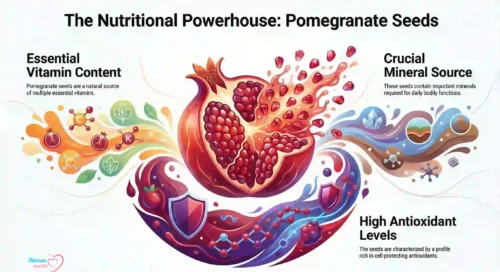
Pomegranate seeds aren’t just edible — they’re extraordinary. Loaded with rare antioxidants like punicalagins, a unique fatty acid called punicic acid found almost nowhere else in nature, fiber, vitamins, and powerful anti-inflammatory compounds, pomegranate seeds have been studied for their potential to support heart health, balance hormones, regulate blood sugar, fight inflammation, and even slow the aging process from the inside out.
Whether you’re looking to improve your cardiovascular health, enhance your skincare routine with pomegranate seed oil, manage your weight more effectively, or simply make smarter choices about the foods you eat every day — you’ve landed in exactly the right place.
In this comprehensive guide, we’ll walk you through everything you need to know about pomegranate seeds: their full nutritional profile, their top evidence-based health benefits, how men and women benefit differently, how to incorporate them into your diet, and even how to use the oil for skin and hair. We’ll also compare seeds to juice, cover potential side effects, and answer the most common questions people ask.
Ready to see why this tiny seed punches so far above its weight? Let’s dive in.

Anatomy of a Pomegranate Seed
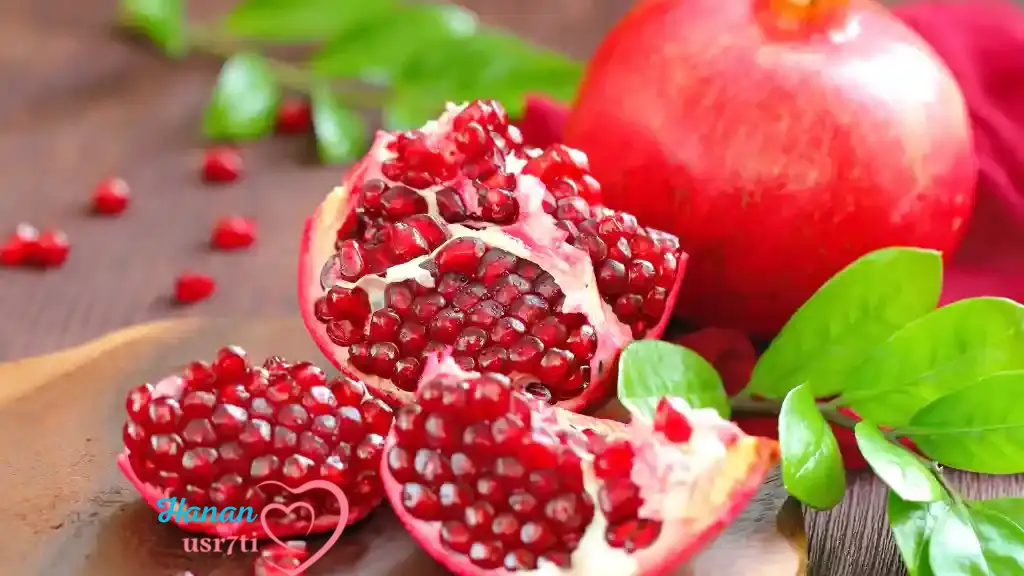
Each little cluster inside a pomegranate is called an aril. Think of it like a tiny juicy sac wrapped around a pale, crunchy seed inside. The outer fleshy, juice-filled part is the edible pulp, while the inner core is the actual seed — technically a hard white kernel.
When we talk about the “benefits of pomegranate seed,” we’re usually referring to the entire aril — that is, the juice sac plus the crunchy seed inside. Both parts are packed with nutrition, though the seed itself is where some of the most impressive compounds are concentrated.
1.2 Are Pomegranate Seeds the Same as Arils?
Not exactly — but for all practical purposes in nutrition discussions, people use the terms interchangeably. The aril includes the edible fleshy juice surrounding the actual seed. The seed inside? Some people spit it out, some chew it. Spoiler alert: you really should be chewing it. More on that soon.
Nutritional Profile of Pomegranate Seeds
Think of pomegranate seeds as nature’s multivitamin — only tastier and with zero artificial fillers.
Macronutrients at a Glance
| Nutrient | Per 100g of Arils |
|---|---|
| Calories | 83 kcal |
| Carbohydrates | 18.7g |
| Dietary Fiber | 4g |
| Protein | 1.67g |
| Total Fat | 1.17g |
| Sugar | 13.67g |
Vitamins and Minerals Breakdown
| Vitamin/Mineral | Amount per 100g | % Daily Value |
|---|---|---|
| Vitamin C | 10.2 mg | 11% |
| Vitamin K | 16.4 mcg | 14% |
| Folate (B9) | 38 mcg | 10% |
| Potassium | 236 mg | 7% |
| Copper | 0.158 mg | 18% |
| Phosphorus | 36 mg | 5% |
Bioactive Compounds That Make Them Special
This is where it gets exciting. Pomegranate seeds are loaded with:
- Punicalagins incredibly potent antioxidants unique to pomegranates.
- Punicic acid a type of conjugated linoleic acid (CLA) found in the seed oil.
- Ellagitannins which convert into urolithins in the gut.
- Anthocyanins the pigments responsible for that deep red color.
- Flavonoids including quercetin and kaempferol.
These compounds don’t just sound impressive in a lab report — they translate into real, measurable health benefits that we’ll dig into next.
Top Health Benefits of Pomegranate Seeds
Alright, here’s the meat and potatoes of this article. Let’s break down what pomegranate seeds actually do for your body.
Powerful Antioxidant Protection
You’ve probably heard the word “antioxidant” thrown around so much it’s lost all meaning. But here’s the deal, oxidative stress — caused by an imbalance of free radicals — is at the root of aging and most chronic diseases. Antioxidants neutralize those free radicals before they can wreak havoc.
Pomegranate seeds contain punicalagins and punicic acid, two compounds that give pomegranates an antioxidant activity reportedly three times higher than red wine and green tea. That’s not marketing fluff — that’s measurable chemistry.
Key Takeaway: Regularly consuming pomegranate seeds may help protect your cells from oxidative damage far more effectively than most other fruits.
Anti-Inflammatory Properties
Chronic inflammation is kind of like a slow-burning fire in your body. It’s the hidden driver of conditions like arthritis, heart disease, type 2 diabetes, Alzheimer’s, and even certain cancers. The good news? Pomegranate seeds throw water on that fire.
The ellagitannins in pomegranate seeds are metabolized by gut bacteria into compounds called urolithins, which have been shown in multiple studies to exert significant anti-inflammatory effects. This makes pomegranate seeds particularly powerful for people dealing with inflammatory conditions.
Heart Health and Cardiovascular Support
Want a happy heart? Start snacking on pomegranate seeds. Here’s what the science says:
- They help lower LDL (bad) cholesterol levels.
- They support reduction of blood pressure, particularly systolic pressure.
- They may reduce arterial plaque buildup (atherosclerosis).
- They improve endothelial function — that’s the health of the inner lining of your blood vessels.
Punicic acid, found predominantly in the seed oil, has been specifically linked to reduced triglyceride levels and improved lipid profiles. Think of it as a natural cardiovascular tune-up.
Blood Sugar Regulation
Here’s a benefit that often gets overlooked: pomegranate seeds may help regulate blood sugar levels. Despite containing natural sugars, the fiber content of the seeds slows down glucose absorption, preventing sharp spikes and crashes.
Additionally, certain compounds in pomegranate may improve insulin sensitivity — a huge deal for people managing prediabetes or type 2 diabetes. It’s not a replacement for medical treatment, but as a dietary addition, it’s genuinely supportive.
| Blood Sugar Benefit | Mechanism |
|---|---|
| Reduces glucose spikes | High fiber slows digestion |
| Improves insulin sensitivity | Polyphenols modulate insulin pathways |
| Lowers fasting blood sugar | Anti-inflammatory effects on pancreatic function |
Digestive Health and Fiber Content
Four grams of fiber per 100g might not sound groundbreaking, but it’s the type of fiber in pomegranate seeds that makes the difference. The seeds themselves (the crunchy inner kernel) are particularly rich in insoluble fiber, which:
- Promotes regular bowel movements.
- Feeds beneficial gut bacteria (prebiotic effect).
- Reduces risk of colorectal issues.
- Helps prevent constipation.
Think of your gut as a garden. Pomegranate seeds are essentially premium fertilizer for the good bacteria that keep everything growing properly.
Cancer-Fighting Potential
Now, let’s be clear — no food cures cancer. But certain foods contain compounds that may help prevent cancer cell growth or slow its progression. Pomegranate seeds are one of those foods.
Research has shown pomegranate compounds may:
- Inhibit prostate cancer cell proliferation (particularly notable in studies on PSA levels).
- Reduce breast cancer cell growth in laboratory studies.
- Induce apoptosis (programmed cell death) in certain cancer cell lines.
- Inhibit angiogenesis — the process by which tumors develop their own blood supply.
These are promising findings, though most current evidence comes from lab and animal studies. Human clinical trials are ongoing, and the field is actively growing.
Hormonal Balance and Estrogen-Like Effects
This one surprises a lot of people. Pomegranate seeds contain phytoestrogens — plant compounds that mimic the weak activity of estrogen in the body. For women approaching menopause or dealing with hormonal fluctuations, this can be genuinely helpful.
Preliminary research suggests pomegranate seed consumption may help:
- Alleviate hot flashes.
- Improve mood stability.
- Support bone density (which is affected by estrogen decline).
- Regulate menstrual cycles in some cases.
Benefits of Pomegranate Seed Oil
When pomegranate seeds are cold-pressed, they yield a precious oil rich in punicic acid — a fatty acid so rare it’s practically exclusive to pomegranates. This oil is a superstar in its own right.
Skin Health and Anti-Aging
If your skincare routine doesn’t include pomegranate seed oil yet, you might want to reconsider. Here’s why:
- Stimulates collagen synthesis keeping skin firm and reducing fine lines.
- Protects against UV damage acts as a natural mild SPF booster.
- Accelerates wound healing by promoting keratinocyte proliferation.
- Deeply hydrates without clogging pores.
- Reduces hyperpigmentation through antioxidant action.
It’s like giving your skin a biological upgrade. The oil penetrates deeply because its molecular structure is similar to skin’s natural sebum.
Hair and Scalp Benefits
Pomegranate seed oil isn’t just for faces — it’s a game-changer for hair too.
How to Use Pomegranate Seed Oil for Hair
- Scalp massage: Warm a few drops and massage into the scalp to improve circulation and stimulate follicles.
- Hair mask: Mix with coconut oil for a deep conditioning treatment.
- Leave-in serum: Apply a tiny amount to ends to combat frizz and add shine.
- Shampoo booster: Add a few drops to your regular shampoo for antioxidant benefits.
Weight Management and Pomegranate Seeds
Trying to manage your weight? Pomegranate seeds deserve a seat at your table — literally.
Fiber and Satiety
The fiber in pomegranate seeds does a remarkable job of keeping you full longer. When you feel satiated, you naturally eat less — and that’s one of the simplest weight management strategies there is. The combination of fiber, water content, and natural sugars creates a satisfying snack that doesn’t leave you reaching for more food 30 minutes later.
Metabolism Boosting Properties
Punicic acid and other compounds in pomegranate seeds have been shown in some studies to positively influence fat metabolism. They may help your body more efficiently burn fat for energy, particularly when combined with a balanced diet and regular exercise. It’s not a magic bullet — but it’s a solid supporting player.
Pomegranate Seeds for Men vs. Women
Benefits Specific to Women
- May ease menstrual cramps through anti-inflammatory effects.
- Supports bone health through phytoestrogen activity.
- May improve fertility by supporting healthy blood flow to reproductive organs.
- Helps manage menopausal symptoms.
Benefits Specific to Men
- May boost testosterone levels naturally.
- Shown to improve erectile function by enhancing nitric oxide production.
- Linked to reduced PSA levels, a marker for prostate health.
- Supports athletic performance and muscle recovery through antioxidant effects.
How to Eat Pomegranate Seeds
Raw Consumption Tips
The simplest way is always the best: eat them raw, right out of the fruit. Yes, you can — and should — eat the crunchy inner seed. It’s completely edible and actually adds a nice textural contrast to the juicy aril. The crunch you feel is fiber doing its job.
Creative Ways to Add Them to Your Diet
- Sprinkle over Greek yogurt for breakfast.
- Toss into salads for color and crunch.
- Mix into oatmeal or overnight oats.
- Stir into hummus as a garnish.
- Add to grain bowls (quinoa, farro).
- Use as a salsa ingredient with mango and jalapeño.
- Blend into smoothies.
Pomegranate Seed Recipe Ideas
| Recipe | How to Include Seeds |
|---|---|
| Avocado Toast | Sprinkle on top with everything bagel seasoning |
| Winter Salad | Toss with arugula, walnuts, and goat cheese |
| Pomegranate Guacamole | Mix into fresh guacamole |
| Chia Pudding | Layer seeds between chia layers |
| Grilled Chicken Glaze | Reduce with honey for a finishing glaze |
Pomegranate Seeds vs. Pomegranate Juice, Which Is Better?
This is one of the most common questions, and the answer might surprise you. While pomegranate juice is delicious and still nutritious, whole seeds win in almost every category when it comes to health benefits:
| Factor | Pomegranate Seeds | Pomegranate Juice |
|---|---|---|
| Fiber | High | None |
| Sugar per serving | Moderate | High |
| Antioxidants | Very high | High (reduced by processing) |
| Calories | Lower | Higher |
| Glycemic impact | Lower | Higher |
| Convenience | Medium | High |
Bottom line? Juice is fine as an occasional drink, but if health optimization is your goal, eat the seeds.
Potential Side Effects and Precautions
Pomegranate seeds are generally very safe, but a few notes are worth keeping in mind:
- Drug interactions, Pomegranate may interact with blood thinners (like warfarin) and certain medications metabolized by the liver. Always check with your doctor if you’re on medications.
- Allergic reactions, Rare but possible, particularly in people with plant allergies.
- Digestive sensitivity, Eating very large quantities may cause bloating or loose stools in sensitive individuals.
- Blood pressure medications: Because pomegranate naturally lowers blood pressure, combining it with medication could lower it too much.
Reader Note, These precautions apply to excessive consumption or specific medical contexts. For most healthy adults, pomegranate seeds are perfectly safe and highly beneficial.
How to Store Pomegranate Seeds
Once you’ve removed the seeds from the fruit:
- Store in an airtight container in the fridge for up to 5 days.
- Freeze in a single layer on a baking sheet first, then transfer to a freezer bag — they’ll keep for up to 3 months.
- Avoid storing at room temperature for more than a few hours as they can dry out and lose freshness.
Conclusion
So there you have it — the surprisingly powerful world of pomegranate seeds, laid out in full. These aren’t just pretty garnishes or a trendy superfood buzzword. From protecting your heart and managing blood sugar to supporting hormonal balance, fighting inflammation, and even offering cancer-preventive potential, pomegranate seeds earn every bit of their superfood status.
Whether you’re eating them raw, pressing them into oil, or sprinkling them on your morning yogurt, making pomegranate seeds a regular part of your diet is one of the simplest, most delicious upgrades you can make to your health. Nature doesn’t always package its best medicine in a pill — sometimes it wraps it in a ruby-red jewel and hands it to you one aril at a time.
FAQs
1. Can you eat pomegranate seeds every day?
Yes! Eating pomegranate seeds daily is generally safe and beneficial for most healthy adults. A typical serving is about half a pomegranate or roughly 80–100g of arils. Just be mindful if you’re on blood thinners or blood pressure medications.
2. Should you swallow or chew the hard seed inside the aril?
Chew it! The inner kernel contains fiber and punicic acid that offer health benefits. It won’t harm you, and the crunch is actually quite pleasant. That said, if you prefer to spit it out, you’ll still get most of the benefit from the fleshy aril.
3. Are pomegranate seeds good for weight loss?
They can be a helpful addition to a weight loss diet. Their high fiber content promotes satiety, they’re relatively low in calories, and some compounds may support fat metabolism. But they work best as part of an overall balanced diet.
4. What does pomegranate seed oil do for the skin?
Pomegranate seed oil is packed with punicic acid and antioxidants that help stimulate collagen production, hydrate deeply, reduce inflammation, and protect against UV damage. It’s excellent for mature or dry skin types.
5. How do pomegranate seeds compare to pomegranate supplements?
Whole seeds give you the full package: fiber, antioxidants, vitamins, minerals, and bioactive compounds in their natural synergistic form. Supplements may concentrate certain extracts but often lack the fiber and the complex interaction of whole-food nutrients. When possible, opt for the real thing.
References:
