

- Advertisement -
Fruits and Vegetables Prohibited for Children
Which Fruits and Vegetables Are Prohibited for Children? What Every Parent Must Know

- Advertisement -
Fruits and Vegetables Prohibited for Children
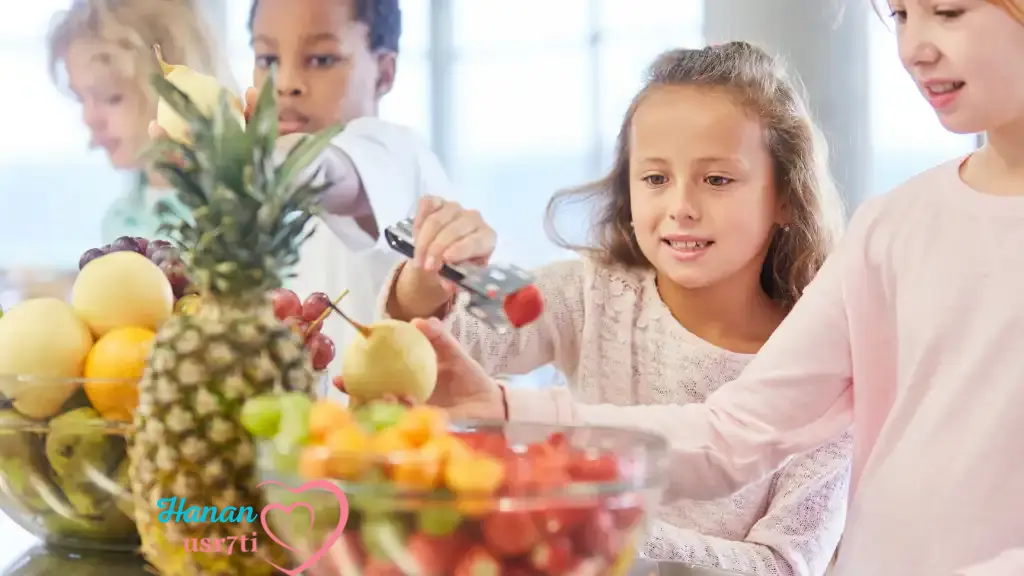
Every parent wants to do right by their child at mealtime. You pile colorful fruits and vegetables onto that tiny plastic plate, feeling proud and responsible — and rightly so. But here’s the thing most parenting guides gloss over: not every piece of produce that’s perfectly healthy for you is safe for your child. Some fruits and vegetables can choke a toddler, poison a baby with pesticide residues, or trigger heavy metal buildup in a developing brain. This isn’t fearmongering. It’s the kind of evidence-based knowledge that can genuinely protect your child.
This guide is designed to give you a clear, practical breakdown of the fruits and vegetables that require caution or outright prohibition for young children, along with the science behind the risks, age-appropriate preparation tips, and the latest guidance from pediatricians and food safety organizations. Think of it as the conversation your child’s doctor would have with you if time allowed — thorough, honest, and actionable.
Why Certain Produce Can Be Risky for Kids
Before we dive into specific foods, it’s worth stepping back and asking: why does something as wholesome as a grape or a raw carrot become dangerous in the hands — or rather, the mouth — of a toddler? The answer lies in child biology and exposure science. Children are not simply smaller versions of adults. Their bodies absorb, process, and react to foods and chemicals in fundamentally different ways, and understanding that distinction is the foundation of everything that follows.
A Child’s Body Is Not a Miniature Adult’s Body
Think about it this way: if you poured the same amount of a toxic chemical into a large bucket versus a small cup, the concentration in the small cup would be far more dangerous. That’s essentially what happens when children are exposed to the same food hazards as adults. Pediatrician Dr. Pilar Bradshaw explains that children’s bodies are growing, meaning they are absorbing not only nutrition but also potential contamination from fruits and vegetables at far higher rates relative to their body size. Their organs — particularly the liver, kidneys, and brain — are still developing and lack the enzymatic machinery to neutralize certain chemical threats the way a mature adult body can. Beyond chemistry, there’s also anatomy. Children under two years old don’t have molars, meaning they physically cannot grind or crush fibrous or hard foods, making raw fruits and vegetables especially risky at this developmental stage. These are not edge-case concerns; they are everyday realities that shape every feeding decision you make. EugenepedsCleveland Clinic
The Three Main Categories of Risk
When it comes to fruits and vegetables and children’s safety, the hazards generally fall into three buckets: physical choking risks, chemical contamination (primarily pesticides and heavy metals), and allergenic responses. Each category demands a different type of awareness and response. A choking risk is immediate and can become a life-threatening emergency within minutes, requiring you to know both prevention strategies and first-aid responses. Chemical contamination, on the other hand, is a slower-building threat — one that accumulates in a child’s body over months and years of repeated low-level exposure. Allergenic reactions sit somewhere in between, ranging from mild skin irritation to anaphylactic shock depending on the child and the food. The goal of this article is to arm you with the knowledge to navigate all three categories with confidence, not anxiety.
Choking Hazards — The Most Immediate Danger
Let’s start with the risk that can cause the fastest harm: choking. Every year, food-related choking sends thousands of young children to emergency rooms across the United States and worldwide. The leading culprits are not always the foods parents expect. While hot dogs and hard candy get most of the attention, several common fruits and vegetables are equally — or sometimes more — dangerous for children under four years old.
Fruits That Top the Choking Risk List
Grapes are probably the single most misunderstood fruit when it comes to child safety. They look harmless, they’re nutritious, and children love them — but a whole grape is essentially the perfect size and shape to plug a toddler’s airway. Medical guidelines are clear: whole grapes should not be fed to children three years and younger, even when they are supervised by a caregiver. The smooth, slippery skin makes them even more dangerous because they can slide into the throat before a child has a chance to bite through. Experts recommend cutting each grape in half lengthwise and then quartering each half, creating eight tiny pieces for the youngest children — as your child ages, they can handle larger pieces, eventually managing halves around age four. Beyond grapes, whole cherries, uncut berries, melon balls, and whole pieces of canned fruit all carry comparable risks for the same reason: their size and texture make them easy for a small child to swallow whole rather than chew. Raisins and other uncooked dried fruits deserve a special mention because many parents consider them a “healthy snack,” unaware that their chewy, sticky texture makes them a significant choking hazard for children under two. The CDC specifically lists uncooked dried vegetables and fruits such as raisins, as well as whole berries, cherries, and uncut grapes, as high-risk choking foods for infants and toddlers. Txhealthsteps + 2
Vegetables That Pose Serious Choking Threats
Raw vegetables are deceptively dangerous for young children. A crunchy carrot stick might seem like a healthy, low-calorie snack, but hand it to a toddler and you’ve handed them a potential emergency. Pediatrician Dr. Richard So specifically warns parents to be especially careful with fresh, fibrous vegetables like carrots, and notes that children who choke on foods like hard vegetables are much more likely to require hospitalization than those who choke on softer foods. Raw broccoli florets, chunks of raw celery, large pieces of bell pepper, and uncut cherry tomatoes all belong to the high-risk category. Stringy vegetables like celery can lead to choking or gagging because of the membranes surrounding the fleshy parts of the vegetable, while chunks of raw vegetables in general should be replaced with soft-cooked alternatives or very finely grated preparations. Cherry tomatoes are a particularly sneaky hazard — they look and behave much like grapes, and should be quartered lengthwise before being offered to any child under four. The important takeaway here is that the danger is rarely about the vegetable itself — it’s almost always about the form in which it’s served. Cleveland ClinicStrong4Life
Age-by-Age Safe Preparation Guide
Understanding the developmental window matters enormously for how you prepare produce for your child. Here’s a clear comparison of what’s appropriate across early childhood:
| Age Range | Vegetable/Fruit Preparation | Key Restrictions |
|---|---|---|
| 6–9 months | Smooth purees only; soft-cooked, mashed | No raw produce; no chunks |
| 9–12 months | Soft-cooked pieces (pea-sized); grated raw carrot | No whole grapes, no raw hard vegetables |
| 12–18 months | Small soft pieces; quartered grapes; steamed veggies | No whole cherry tomatoes, no raw carrot sticks |
| 18 months–2 years | Thin slices; finely diced; fully cooked hard veggies | No raw crunchy vegetables; no uncut berries |
| 2–4 years | Halved grapes; cooked or finely chopped raw veggies | Still avoid whole grapes, popcorn, whole nuts |
| 4+ years | Most whole foods appropriate with supervision | Introduce challenging textures with monitoring |
This table is not exhaustive, and every child develops at their own pace — but it gives you a working framework for the majority of situations. Lurie Children’s Hospital advises cutting grapes and cherry tomatoes into quarters lengthwise, shredding or cooking hard vegetables, and avoiding foods like popcorn or whole nuts entirely for children under four. Lurie Children’s
Pesticide Contamination — The Silent Threat on Your Produce Aisle
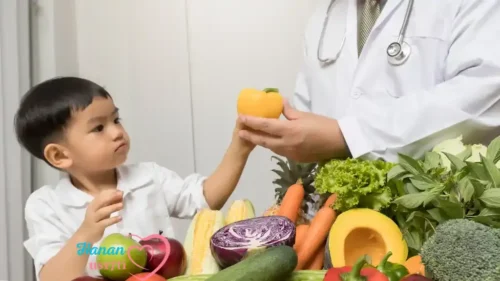
Once you’ve tackled the immediate physical dangers of choking, there’s a slower, subtler risk that deserves equal attention: pesticide contamination on conventional produce. This is the hazard you can’t see, smell, or taste — and it’s present on the vast majority of non-organic fruits and vegetables available at your local grocery store. The good news is that this risk is manageable once you know which produce to prioritize buying organic.
The 2026 Dirty Dozen: What Every Parent Must Know
Every year, the Environmental Working Group (EWG) publishes its Shopper’s Guide to Pesticides in Produce, analyzing USDA testing data from tens of thousands of produce samples. The 2026 guide analyzed the latest USDA testing data and found that 75% of non-organic, conventionally grown produce samples contained pesticide residues — and PFAS pesticides, often called “forever chemicals,” appeared on 63% of Dirty Dozen samples. The twelve most contaminated items from the 2026 list are the produce categories that parents of young children should prioritize buying organic, or at minimum, washing with great thoroughness. The 2026 Dirty Dozen findings reveal that 96% of Dirty Dozen samples tested positive for pesticides, with most carrying an average of four or more different pesticides per sample, and a total of 203 different pesticides were detected across the Dirty Dozen crops. Environmental Working GroupForum Health
The 2026 Dirty Dozen list, in order of contamination concern, includes: spinach (highest pesticide residue by weight), strawberries, kale/collard/mustard greens, grapes, peaches, cherries, nectarines, pears, apples, blackberries, blueberries, and potatoes. These are not obscure foods — they’re fruits and vegetables that likely appear in your child’s diet regularly. Strawberries and grapes, in particular, are favorites among toddlers and young children, making them a double hazard: a physical choking risk when improperly prepared and a pesticide concern when bought non-organic. Potatoes are notable for the fact that 90% of samples contained chlorpropham, a sprout inhibitor that has been banned in the European Union due to health concerns, while peaches and plums were found to be among the most PFAS-laden produce items tested. Forum Health
Why Kids Face Greater Pesticide Risk Than Adults
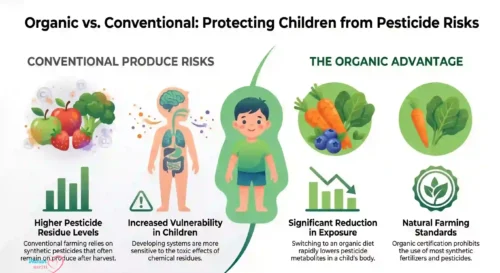
The science on why children are disproportionately vulnerable to pesticide exposure is well-established and deeply important for parents to understand. A landmark 1993 National Academy of Sciences report concluded that infants and children differ both qualitatively and quantitatively from adults in their exposure to pesticide residues in foods, and that pesticides in the diets of some children exceeded safe levels — and that was over three decades ago, before researchers fully understood the cumulative and mixture effects of pesticide exposure. Children eat more produce relative to their body weight than adults do, meaning their pesticide dose per kilogram of body weight is significantly higher. Research has linked pesticide exposure in children to health problems including cancer, neurotoxicity, and harm to development and reproductive health. The developing brain and nervous system are especially sensitive during the early years of life, and endocrine-disrupting pesticides — those that interfere with hormonal signaling — can have lasting consequences if exposure occurs during critical developmental windows. Emerging research has found associations between maternal pesticide exposure during pregnancy and neurodevelopmental disorders in children, as well as links between certain pesticides and endocrine disruption that can affect metabolism, fertility, and growth. EWG + 2
Comparing Risk Levels: Dirty Dozen vs. Clean Fifteen
Not all produce carries the same pesticide burden, and parents can make smarter, budget-conscious decisions by knowing which conventional items are safer. Here’s a side-by-side comparison:
| Dirty Dozen (Buy Organic) | Clean Fifteen (Conventional Is Safer) |
|---|---|
| Spinach | Pineapple |
| Strawberries | Sweet corn |
| Kale/Collard/Mustard Greens | Avocados |
| Grapes | Papaya |
| Peaches | Onions |
| Cherries | Frozen sweet peas |
| Nectarines | Asparagus |
| Pears | Cabbage |
| Apples | Watermelon |
| Blackberries | Cauliflower |
| Blueberries | Bananas |
| Potatoes | Mangos |
The Clean Fifteen list, according to the EWG’s 2025 guide, largely includes fruits and vegetables protected by skins and peels that are removed before eating, with pineapple ranking as the least contaminated produce item tested. The American Academy of Pediatrics recommends that parents who are concerned about their children’s pesticide exposure consult EWG’s Shopper’s Guide as a practical reference tool. The Clean Fifteen is genuinely good news — it means that a big portion of your grocery cart can remain conventional without elevating your child’s risk. The key is knowing which specific items are worth the organic premium, particularly for children. EugenepedsEnvironmental Working Group
Heavy Metals in Fruits and Vegetables for Children
If pesticides represent one layer of invisible chemical risk, heavy metals represent another — and recent investigations have revealed a disturbing reality about certain fruit and vegetable-based baby foods. Heavy metals including arsenic, lead, cadmium, and mercury occur naturally in soil but can also accumulate from industrial pollution and agricultural practices. Certain crops absorb these metals more readily than others, and foods made from those crops can contain unsafe levels for infants whose brains and nervous systems are at their most vulnerable.
Which Baby Foods Are Most Contaminated?
Research published in 2025 found that in 2024, investigations still revealed significant levels of arsenic, cadmium, and lead in baby food made with rice, sweet potatoes, and carrots — foods that many parents consider among the safest options for infants. This is a sobering finding, given that sweet potato puree and carrot puree are often among the very first solid foods introduced to babies. The FDA has taken steps to address this: under newer FDA guidelines, baby food manufacturers should have no more than 10 parts per billion of lead in processed fruits and vegetables sold in jars, pouches, and tubs — though the guidance does not cover infant formula, beverages, or snack foods like puffs and teething biscuits. For parents, the practical takeaway is to vary your infant’s diet rather than relying heavily on any single fruit or vegetable puree. Rotating through a wide variety of produce minimizes the risk of heavy metal accumulation from any one source. Homemade purees using fresh, washed produce can also help reduce exposure compared to packaged products, though parents should be aware that the underlying soil contamination issue affects both commercial and home-prepared foods. Consulting with your pediatrician about variety and portion diversity during the introduction of solids is always a sound strategy. Food Safety NewsFood Safety News
Allergenic Produce — When Healthy Fruits and Vegetables Trigger Reactions
Food allergies and intolerances are another important dimension of produce safety for children, and one that parents sometimes overlook because fruits and vegetables are not typically on the “top allergen” list. But certain produce items do trigger meaningful reactions in some children, and knowing the patterns can help you introduce new foods more safely. Oral Allergy Syndrome (OAS), for example, is a condition where children (and adults) who are allergic to certain pollens experience allergic reactions to raw fruits and vegetables that contain similar proteins. Common culprits include raw apples, peaches, pears, cherries, plums, kiwi, celery, and carrots. The reaction typically causes itching or tingling in the mouth and throat immediately after eating the raw food, and interestingly, cooking the fruit or vegetable usually destroys the triggering protein, making cooked versions of the same food safe for the child. Kiwi fruit deserves special attention because it is one of the more potent allergenic fruits, capable of triggering reactions ranging from mild OAS to serious systemic responses in sensitized children. Mango, strawberries, and tomatoes can also cause contact reactions or hive-like rashes in some young children — though these are often skin-contact reactions rather than true systemic allergies. Always introduce new produce one at a time, wait three to five days before introducing another new food, and watch for any signs of allergic reaction including rashes, swelling, vomiting, or breathing difficulty.
Safe Preparation Practices: Turning Dangerous Foods Into Safe Ones
Here’s the empowering flip side of everything we’ve covered so far: almost every fruit and vegetable on the “risky” list can be made safe with the right preparation technique. The goal isn’t to eliminate produce from your child’s diet — quite the opposite. A diet rich in fruits and vegetables remains one of the most protective things you can feed your growing child. The mission is simply to prepare and source that produce intelligently.
Practical Cutting and Cooking Techniques by Age
For infants starting solids (around six months), the gold standard is steaming vegetables until they are soft enough to mash between two fingers with minimal pressure, then pureeing or mashing to the appropriate consistency. Steaming rather than boiling preserves more nutrients and reduces the waterlogging that can make textures harder to control. Safe steamed options for babies include broccoli, peas, carrots, sweet potato, and squash — and as your child gets older, thinly sliced zucchini and cucumbers become appropriate finger food options. For grapes and cherry tomatoes, the rule of thumb is clear and non-negotiable: quarter them lengthwise for all children under four years old. Cutting them in rounds (coin shapes) is actually more dangerous than cutting lengthwise because round coin shapes can still form a seal over the airway. Medical experts also warn against cutting cylindrical foods like cucumbers into coin-shaped pieces that can get lodged in a small child’s throat. When it comes to pesticide reduction, washing produce thoroughly under running water before serving it — even organic produce — is always recommended. Peeling fruits like apples and pears removes the majority of surface pesticide residue, though it also removes some fiber and nutrients. For high-pesticide items on the Dirty Dozen, choosing organic versions when budget allows is the most effective intervention. Research has shown that pesticide levels in the body drop measurably after switching to an all-organic diet and rise again when returning to conventionally grown food — a powerful illustration of just how directly your purchasing choices affect your child’s chemical exposure. Strong4Life + 2
When to Call Your Pediatrician
Knowing when to act is just as important as knowing what to avoid. If your child is choking — defined as being unable to cough, cry, or make sound — this is a medical emergency requiring immediate intervention and a call to emergency services. Partial choking, where a child is coughing and making noise, should resolve on its own, but if it persists for more than a minute or two, or if the child becomes distressed or turns blue, call emergency services immediately. For pesticide and heavy metal concerns, these do not require emergency action but do warrant a conversation with your pediatrician at the next well-child visit, especially if your child has eaten heavily from the Dirty Dozen category for an extended period. If you notice signs of an allergic reaction after introducing a new fruit or vegetable — including hives, vomiting, swelling of the lips or face, or any breathing difficulty — seek medical attention promptly. Mild reactions like a brief mouth tingle from OAS typically resolve on their own, but any reaction involving the throat or breathing is a potential emergency. Your pediatrician is your best resource for navigating produce introduction safely, and keeping a food diary during the early solid-food stage is one of the most practical tools available to track what your child ate and when any symptoms appeared.
Conclusion
Feeding children well is both an art and a science, and the produce section of your grocery store is far more complex than it might appear. The fruits and vegetables prohibited for children — or that require careful handling — span three distinct categories: physical choking hazards that demand age-appropriate preparation, chemical contaminants including pesticides and heavy metals that call for smart sourcing choices, and allergenic produce that requires careful introduction. The key message to carry away from all of this is not fear, but informed confidence. Cut grapes. Steam carrots. Choose organic for your Dirty Dozen. Introduce new foods one at a time. Wash everything. And when in doubt, call your pediatrician. Your child’s diet can — and should — be rich, colorful, and full of fruits and vegetables. It just needs to be prepared and chosen wisely.
Frequently Asked Questions
1. At what age can children eat raw carrots and celery safely?
Most pediatric nutrition experts recommend waiting until at least age two before offering raw carrot sticks, and even then, the carrots should be cut into thin, manageable sticks rather than large chunks. Celery’s stringy texture makes it risky for young children well beyond age two, and it should generally be introduced only after age four, finely chopped or cooked. Every child’s chewing development differs, so watching closely and consulting your pediatrician is always the safest approach.
2. Do I really need to buy organic produce for my child?
You don’t need to buy everything organic, but prioritizing organic versions of the Dirty Dozen — especially spinach, strawberries, grapes, apples, and pears — can meaningfully reduce your child’s pesticide exposure. Items on the Clean Fifteen list, like bananas, avocados, and pineapple, are generally safe to buy conventional. If budget is a concern, frozen organic produce is often more affordable than fresh organic and retains comparable nutritional value.
3. Are cherry tomatoes safe for toddlers?
Cherry tomatoes can be introduced to toddlers as early as nine to twelve months, but only when properly prepared. They must be quartered lengthwise — never served whole or halved — to eliminate the choking risk. As your child’s chewing skills develop around age four, you can transition to halves and eventually whole tomatoes with supervision.
4. What should I do if my child has been eating heavily from the Dirty Dozen list?
There is no need to panic. The risk from pesticide-laden produce is cumulative and chronic, not acute. A single serving of conventional strawberries is not going to harm your child. The key is to make gradual improvements — start buying organic versions of the highest-risk items like spinach and strawberries, wash all produce thoroughly, and discuss any concerns with your pediatrician at your next visit.
5. Can cooking vegetables eliminate heavy metals like lead and arsenic?
Cooking does not remove heavy metals from vegetables. Unlike pesticides, which can be reduced by washing and peeling, heavy metals are absorbed into the plant tissue itself. The most effective strategy is dietary diversity — rotating through a wide range of fruits and vegetables so that no single high-accumulating food dominates your child’s diet. Varying your child’s puree and finger food choices during the introduction-to-solids phase is the most practical protective measure available.
