

- Advertisement -
Lunches for Teenagers | 30+ Healthy & Easy Ideas
Why Lunch Matters More Than You Think for Teens


- Advertisement -
Lunches for Teenagers
Let’s be honest — figuring out lunches for teenagers is one of those parenting puzzles that nobody tells you is going to be this complicated. When they were little, a cute bento box with mini sandwiches and apple slices was basically a five-star meal. Now? You’re navigating peer pressure, social media food trends, a schedule that barely allows time to chew, and a teenager who thinks pretzels and a granola bar constitute a balanced meal. Sound familiar? You’re definitely not alone, and the good news is that with a little strategy and a lot of ideas, packing a lunch your teen will actually eat — and actually benefit from — is completely achievable.
Teen lunches sit at this unique intersection of nutrition science and social survival. Your teen needs real, nourishing food more than ever during these high-growth years, but they also don’t want to look “weird” pulling out something unfamiliar in front of their friends. The trick is finding meals that are genuinely delicious, easy to prep (or even easier for them to prep themselves), and packed with the right nutrients to fuel everything from algebra to track practice. This guide is going to walk you through exactly that — from understanding what your teen’s body actually needs, to 30+ specific ideas they’ll be excited to eat, to smart meal prep hacks that save everyone time during the busy school week.

Why Lunch Matters More Than You Think for Teens
It’s easy to deprioritize lunch when you’re juggling morning chaos, packed schedules, and a teenager who insists they’re “not even hungry.” But here’s the thing — lunch isn’t just fuel for the afternoon. It’s a critical window for nourishment during one of the most nutritionally demanding phases of life. Skipping it or replacing it with low-quality snack food has real, measurable consequences on energy, focus, mood, and even long-term health habits.
Diet quality is actually at its lowest among those ages 14–18, according to the most recent Dietary Guidelines for Americans, which means teenagers are at serious risk of not getting the nutrients they truly need. That statistic should stop us in our tracks. We’re talking about a generation of young people going through massive physical and neurological development who are simultaneously eating the worst diets of their lives. Lunch — a meal many teens skip or replace with vending machine options — is a golden opportunity to close that nutritional gap and genuinely support your teen’s growth. Real Mom Nutrition
The Nutritional Needs of a Growing Teenager
Think of a teenager’s body like a construction site running at full speed — it needs a constant supply of high-quality building materials to keep up with the work being done. Adolescents need more proteins, vitamins, and minerals because of their fast growth, and calcium and vitamin D help bones grow strong while iron is key for healthy blood cells. These aren’t just abstract nutritional guidelines — they’re the difference between a teen who feels sharp, energetic, and capable, and one who drags through the afternoon, struggles to concentrate, and reaches for sugar just to stay awake. recipeory
The 2025 Dietary Guidelines for Americans recommend that children and teenagers eat 1 to 2.5 cups of fruits and 1 to 4 cups of vegetables each day, with amounts varying based on age and activity level. Yet most teen lunches fall embarrassingly short of this. Teens may be lacking key nutrients including iron (especially girls, who can source it from fortified cereal, beans, lentils, beef, and tofu), alongside calcium, vitamin D, potassium, magnesium, and fiber — all nutrients that a well-constructed lunch can help supply in meaningful amounts. MomJunctionReal Mom Nutrition
How Diet Quality Affects School Performance and Mood
Here’s something worth sharing with your teenager directly, because sometimes the science is more persuasive than a parent’s plea: what they eat at lunch has a direct, documented effect on how well their brain works for the rest of the day. A nutritious lunch can really help a teenager’s school performance and mood — a balanced meal keeps energy up and helps focus, leading to better grades, while a healthy lunch boosts brain power, improving memory and problem-solving ability, and also helps with mood by reducing anxiety and depression. That’s not a marketing claim from a nutrition brand — that’s the consistent finding of nutritional science research applied to adolescent populations. recipeory
When a teen eats a lunch of refined carbohydrates and sugary drinks, their blood sugar spikes and then crashes, often right in the middle of their afternoon classes. They feel foggy, irritable, and unable to concentrate — and they might not even connect those symptoms to what they ate two hours ago. On the flip side, a lunch built around lean protein, complex carbohydrates, and healthy fats creates a sustained energy release that keeps the brain running at full capacity through sixth period and beyond. The analogy here is simple: you wouldn’t put low-grade fuel in a high-performance engine, and a teenager’s growing brain and body are absolutely high-performance.
The Formula for a Perfect Teen Lunch
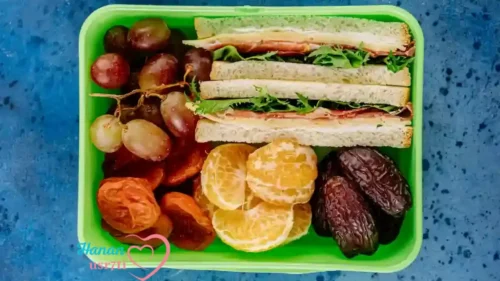
Before diving into specific ideas, it helps to understand the framework — the blueprint for a lunch that genuinely works. When it comes to teen nutrition, it’s important to include a variety of foods that provide a combination of protein, dietary fat, carbohydrates, and fibre to help them feel satisfied but also have energy throughout the day. Think of this as a three-part system where each component plays a specific role, and when all three come together, the result is a lunch that satisfies a hungry teenager for hours. Sarah Remmer
Protein — The Non-Negotiable Foundation
Protein is the cornerstone of any effective teen lunch, and it’s the nutrient most likely to be missing when teens throw together their own meals. Good protein sources for teen lunches include deli turkey or ham, hard-boiled eggs, and tuna fish — paired with the right kind of carbohydrates like whole-grain bread, wraps, crackers, rice, and fruit. Protein keeps teens full, supports the muscle development happening during growth spurts, and provides the amino acids their brain needs to produce focus-supporting neurotransmitters. It also slows the digestion of carbohydrates, preventing those dreaded blood sugar crashes that turn a focused student into an exhausted one. MOMables
Protein doesn’t have to mean expensive deli meats — affordable alternatives like hard-boiled eggs (cheap, versatile, and packed with protein), tinned tuna or salmon (which delivers the same nutritional benefits as fresh fish at a fraction of the cost), and beans and pulses from tins are incredibly affordable and surprisingly filling. Chickpeas in wraps with hummus and salad, for instance, provide a powerful combination of plant protein, fiber, and healthy fats that rivals any deli sandwich in terms of both nutrition and staying power. Just Average Jen
Smart Carbohydrates for Lasting Energy
Not all carbohydrates are created equal, and this is especially true when we’re talking about fuel for a teenager’s long school day. Whole wheat bread, brown rice, or quinoa provide fiber and sustained energy, and the Dietary Guidelines for Americans suggest that at least half of the grains consumed daily should be whole grains to support better health. The difference between whole grain and refined grain is essentially the difference between a slow-burning log and crumpled newspaper — one keeps the fire going for hours, and one flares up and disappears almost immediately. MomJunction
Wholemeal bread instead of white bread provides more fibre and keeps hunger at bay longer, while brown rice or pasta can be prepared in bulk and used for several lunches — cold pasta salads are perfect for packed lunches and can include vegetables and protein all in one container. If your teenager is resistant to switching to whole grains, try mixed-grain varieties that have a milder flavor profile, or disguise the change by pairing whole grain wraps with fillings they already love. Sweet potatoes are another underrated carbohydrate powerhouse — naturally sweet, packed with vitamins, and easy to prep in batches on the weekend. Just Average Jen
Healthy Fats and Fresh Produce
The third pillar of an excellent teen lunch is the combination of healthy fats and fresh produce — the duo most likely to get sidelined when time is short and teens are making their own choices. Including protein and fat helps a teen’s lunch have staying power, because the last thing you want is for your teenager to get home from school ravenous and snacking right before dinner. Healthy fats from sources like avocado, cheese, nuts, hummus, and olive oil-based dressings don’t just add flavor — they slow digestion, support brain function (the brain is roughly 60% fat, after all), and help absorb fat-soluble vitamins from the vegetables alongside them. Real Mom Nutrition
Fresh produce is where most teen lunches fall shortest, but it doesn’t have to be a battleground. The secret is making fruits and vegetables the easy, convenient choice rather than an afterthought. Pre-cut carrots, cucumber slices, cherry tomatoes, and grapes are all zero-prep options that slip easily into any lunchbox. Pairing produce with a dip like hummus, ranch, or guacamole transforms something teens might ignore into something they’ll actively reach for.
30+ Best Lunch Ideas for Teenagers
Now for the part you’ve been waiting for — the actual ideas. These are organized by format (cold, hot, no-cook, and vegetarian) so you can quickly find what works for your situation, your teen’s preferences, and your morning time budget.
Cold Lunch Ideas for Teens
Cold lunches are the most practical option for school days, and they can be just as satisfying and nutritious as a hot meal when built correctly. Protein-rich lunches that are tasty tend to keep teens full — options like a chicken and avocado wrap, a healthy triple-decker sandwich, and a high-protein lunch box you can snack on between classes are all popular choices for high schoolers. The key with cold lunches is variety — rotating through different bases (wraps, salads, grain bowls, bento-style boxes) prevents the lunch-box boredom that causes teens to start trading their food away or simply not eating it. MOMables
Here are some standout cold lunch ideas your teenager will actually be excited about:
- Turkey and Avocado Wrap — whole wheat tortilla, hummus, sliced turkey, avocado, and mixed greens; roll tightly and slice in half
- Greek Pasta Salad — whole grain pasta, olives, cucumber, cherry tomatoes, feta, and oregano vinaigrette; prep Sunday, eat all week
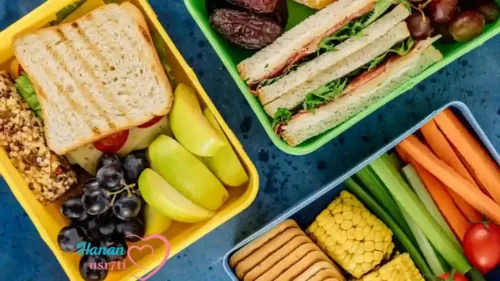
- DIY Snack Plate / Bento Box — sliced cheese, whole grain crackers, hard-boiled eggs, grapes, and veggie sticks with hummus
- Tuna and Sweetcorn Wrap — tinned tuna mixed with light mayo and sweetcorn, stuffed into a whole wheat wrap with lettuce
- Chicken Caesar Salad Wrap — leftover grilled chicken, romaine, Parmesan, and Caesar dressing rolled into a large tortilla
- Caprese-Style Sandwich — fresh mozzarella, sliced tomato, basil, and a drizzle of balsamic on ciabatta or sourdough
- Black Bean and Rice Bowl — cold brown rice, black beans, corn, salsa, and a squeeze of lime in a sealed container
Hot Lunch Ideas for Teens
If your teen has access to a microwave at school (and many middle and high schools do), hot lunches open up a whole new world of satisfying options. Teens with a microwave can enjoy many quick recipes — a whole grain pasta salad with veggies and vinaigrette is a great choice, or try a quesadilla with beans, cheese, and veggies for a quick microwave meal. Sending hot food in a quality insulated thermos is another reliable option that keeps soups, stews, and grain bowls warm for hours without needing any reheating. recipeory
Popular hot lunch choices that reheat beautifully include homemade vegetable soup or chicken noodle soup in a thermos, leftover stir-fry with brown rice, mac and cheese made with whole grain pasta and added vegetables, bean and cheese quesadillas, and pasta bolognese with lean ground turkey. The beauty of hot lunches is that they’re often just dinner leftovers repurposed — a strategy that saves time, reduces food waste, and guarantees you’re sending something your teen has already proven they like.
No-Cook Lunch Ideas for Busy Mornings
Let’s be real — some mornings are absolute chaos, and the idea of spending ten minutes assembling a gourmet lunch before 7 a.m. is laughable. No-cook lunches are the lifesaver in those moments, and many of them are surprisingly nutritious. No-cook lunches like a salad with pre-cooked chicken, a hummus and veggie wrap, or a bento box with cheese, fruits, and nuts are all balanced meals that require zero cooking. The trick to pulling these off consistently is keeping a well-stocked fridge and pantry with ready-to-use proteins (rotisserie chicken, canned tuna, hard-boiled eggs prepped Sunday) and fresh produce that’s already washed and cut. recipeory
Some of the best no-cook lunch options include yogurt parfaits with granola and berries, peanut butter or almond butter with banana on whole grain bread, deli meat and cheese roll-ups with veggie sticks, cottage cheese with fresh fruit and whole grain crackers, and overnight oats in a jar (prepped the night before and eaten cold). Sometimes, store-bought shortcuts are a must — pre-cut veggies, pre-cooked meats, and whole grain wraps make a healthy lunch fast and simple, and getting your teen involved in meal planning can also make lunches more fun and tailored to their tastes. recipeory
Vegetarian and Plant-Based Options
Whether your teenager is vegetarian by choice, going through an experimental phase (which is healthy and worth supporting!), or you’re simply trying to incorporate more plant-based meals for budget or environmental reasons, there are plenty of delicious meat-free lunch options that don’t compromise on protein or satisfaction. Plant-based lunches built around legumes, eggs, dairy, and whole grains can easily meet — and exceed — a teenager’s nutritional needs while being genuinely delicious.
Great vegetarian lunch ideas include hummus and roasted veggie wraps, chickpea and spinach pasta salad, caprese sandwiches, black bean burritos, lentil soup in a thermos, egg salad on whole grain bread, quinoa grain bowls with roasted vegetables and tahini dressing, and cheese and avocado quesadillas. The key with vegetarian lunches is making sure protein isn’t overlooked — combining legumes with whole grains, or including eggs and dairy, ensures your teen’s amino acid needs are fully met even without meat.

Quick Comparison: Packed Lunch vs. School Cafeteria
| Factor | Packed Lunch | School Cafeteria |
|---|---|---|
| Nutritional Control | Full control over ingredients | Limited; depends on school menu |
| Cost | Generally cheaper long-term | Can be expensive daily |
| Convenience | Requires prep time | Ready immediately |
| Variety | Unlimited, customizable | Fixed menu rotation |
| Portion Size | Tailored to your teen | Standard sizes |
| Allergy-Friendly | Fully adaptable | Limited options available |
| Food Waste | Lower — send what they like | Higher — unfamiliar foods discarded |
Meal Prep Tips for Teen Lunches
One of the biggest barriers to consistently providing healthy lunches for teenagers isn’t knowledge of what to pack — it’s time. The good news is that a little strategic meal prep on the weekend can make every weekday morning dramatically easier, and it’s a habit that pays dividends all week long.
Weekend Batch Cooking for the Week Ahead
The single most effective strategy for consistently healthy teen lunches is dedicating an hour or two on Sunday to batch cooking. Setting aside time on Sunday to prep lunches for the week — making items like burritos, meatballs, or lentil dal that can be reheated or eaten cold — saves time and ensures your teenager has a variety of meals, and using the freezer for meals that can be thawed or reheated is another practical strategy. When you already have cooked grains, prepped proteins, washed produce, and sauces ready to go, assembling a nutritious lunch on a Tuesday morning takes literally three minutes. recipeory
A practical Sunday prep routine might look like this: cook a large batch of brown rice or quinoa, hard-boil a dozen eggs, grill or bake a tray of chicken thighs or tofu, wash and cut all the produce for the week, and portion out snacks like nuts and dried fruit into small containers. With these components ready, you can mix and match throughout the week — the same chicken becomes a wrap on Monday, a grain bowl on Wednesday, and a pasta salad on Friday. Variety without effort.
Getting Your Teen Involved in Meal Planning
This is perhaps the most underrated strategy in the entire playbook: involve your teen in choosing and even preparing their own lunches. Teenagers are at an age where autonomy matters enormously to them, and food is no exception. When they have a say in what goes into their lunchbox, they’re far more likely to actually eat it — and far less likely to trade it away or leave it untouched. Teen eating habits are highly influenced by their peers and social media, and relinquishing some control while guiding toward nutritious options is a healthy approach for this age group. Sarah Remmer
Start simple — sit down together on Sunday and let your teen pick two or three lunch options they’d like for the week from a pre-approved list. Gradually involve them in the actual prep: measuring, assembling wraps, portioning snacks. Not only does this build practical life skills that will serve them well in college and beyond, but it also creates a positive relationship with food preparation that counteracts the convenience-food culture they’re swimming in. Research consistently shows that people who are involved in preparing their own food make healthier choices overall — this applies to teenagers just as much as adults.
Nutrient Comparison Table: Popular Teen Lunch Options
| Lunch Option | Approx. Calories | Protein | Fiber | Key Nutrients |
|---|---|---|---|---|
| Turkey & Avocado Wrap | 450–500 kcal | 28g | 7g | Vitamin E, folate, potassium |
| Tuna Pasta Salad | 420–480 kcal | 30g | 5g | Omega-3s, B vitamins, iron |
| Chickpea & Hummus Wrap | 400–450 kcal | 18g | 10g | Iron, magnesium, fiber |
| Hard-Boiled Egg Bento Box | 380–420 kcal | 22g | 4g | Vitamin D, choline, calcium |
| Chicken & Brown Rice Bowl | 500–550 kcal | 35g | 6g | Zinc, B6, phosphorus |
| Greek Pasta Salad | 430–470 kcal | 16g | 6g | Calcium, vitamin C, antioxidants |
| PB & Banana on Whole Grain | 400–440 kcal | 14g | 6g | Magnesium, vitamin B6, potassium |
Budget-Friendly Lunches for Teenagers
With the rising cost of groceries in 2025, parents are understandably looking for ways to keep lunch costs manageable without sacrificing quality. The great news is that some of the most nutritious teen lunch ingredients are also among the most affordable — it’s really just a matter of knowing where to focus your shopping budget and how to maximize value through smart prep.
Affordable, protein-rich options that teenagers enjoy include hard-boiled eggs (cheap, versatile, and packed with protein — make a batch on Sunday and use throughout the week), tinned tuna or salmon (which costs less than fresh fish but delivers the same nutritional benefits), and chicken thighs (which are much cheaper than breast meat and stay moist in packed lunches). Buying whole chickens and roasting them yourself, purchasing dried beans and cooking them in batches, and building lunches around seasonal produce are all strategies that can cut weekly lunch costs significantly while maintaining excellent nutritional quality. Just Average Jen
Whole grain bread, wraps, and pasta are inexpensive staples that anchor dozens of different lunch combinations. Eggs are arguably the greatest budget-friendly protein source available — versatile, shelf-stable, quick to prepare, and packed with complete protein, healthy fats, and micronutrients. A dozen eggs prepared on Sunday (hard-boiled, and stored in the fridge) provides a ready-to-use protein source for the entire school week at minimal cost. Pair them with whole grain crackers, some cheese, and fresh fruit, and you have a satisfying, well-balanced bento-style lunch for under $2.
What to Avoid Packing in a Teen’s Lunchbox
Just as important as knowing what to include is understanding what to minimize or avoid in a teenager’s packed lunch. This isn’t about imposing strict dietary rules or creating anxiety around food — it’s about being strategic, because some common lunch staples actively work against the energy, focus, and nutritional goals you’re trying to support.
Highly processed snack foods — chips, flavored crackers, candy bars, and sugar-heavy “fruit” pouches — provide quick calories with minimal nutritional value and often trigger the blood sugar crash cycle that leaves teens feeling lethargic and irritable by early afternoon. Sugary drinks, including sports drinks and flavored water, add significant sugar with no satiety benefit whatsoever. Oversized portions of any single food group (like a massive sandwich with no produce or protein variety) miss the opportunity for the nutritional balance that makes the difference between a good lunch and a great one.
That said, it’s worth emphasizing something important: perfection is the enemy of progress when it comes to teen nutrition. Registered dietitian Sarah Remmer, who specializes in family nutrition, notes that the goal is nourishing food that’s also appealing and enjoyable — because a perfectly nutritious lunch that goes untouched in a bin is nutritionally worthless. An occasional treat, a packaged snack alongside real food, or a lunch that’s “good enough” rather than perfect is infinitely better than a teenager going hungry or developing a stressful relationship with food.
Conclusion
Navigating lunches for teenagers doesn’t have to be the daily negotiation it sometimes becomes. When you approach it with the right framework — understanding what teens actually need nutritionally, building lunches around protein, smart carbs, and healthy fats, planning ahead, and involving your teen in the process — it becomes far less stressful and far more effective. The 30+ ideas in this guide cover everything from five-minute no-cook options to satisfying hot lunches and budget-friendly solutions, giving you a rich enough toolkit to keep lunch interesting, nourishing, and genuinely teen-approved all year long.
The bottom line? Your teenager’s lunch is one of the most impactful things you can influence about their school day — affecting their energy, focus, mood, and long-term health habits. It’s worth the attention. Start with one or two new ideas this week, get your teen’s input, and build from there. Before long, you’ll have a rotating lunch routine that works for everyone.
FAQs
1. What are the most filling lunches for teenagers?
The most filling lunches combine lean protein (chicken, turkey, eggs, tuna, or legumes), complex carbohydrates (whole grain bread, brown rice, or quinoa), and healthy fats (avocado, cheese, nuts, or hummus). This combination slows digestion and provides sustained energy, keeping teens full for several hours without needing to snack before dinner.
2. How can I get my teenager to eat healthier at lunch without fighting about it?
The most effective approach is giving your teen ownership over their lunch choices within a healthy framework. Present them with a list of approved options and let them choose what goes in their box each week. When teens feel in control of their food decisions, they’re significantly more likely to actually eat what’s packed and resist the pull of vending machines or friends’ junk food.
3. What are the best quick lunch ideas for teenagers on busy school mornings?
No-cook options are your best friend on hectic mornings — think hummus and veggie wraps assembled in under two minutes, overnight oats prepared the night before, yogurt parfaits layered with granola and fruit, or a bento box assembled from pre-prepped Sunday ingredients. Keeping the fridge stocked with ready-to-grab proteins (hard-boiled eggs, sliced deli meat, canned beans) makes any of these lunches achievable in three to five minutes.
4. Are school cafeteria lunches healthy enough for teenagers?
School cafeteria lunches vary widely in quality depending on the school and region. While many schools have improved their menus in recent years, cafeteria portions may not meet all of a growing teenager’s nutritional needs, and choices are often limited. Packing lunch at least a few days per week gives you direct control over ingredient quality, portion size, and nutritional balance — especially important for teens with higher activity levels or specific dietary needs.
5. What should be included in a healthy packed lunch for a teenage athlete?
Teenage athletes have significantly higher caloric and protein needs than their non-athletic peers. A packed lunch for an active teen should include a generous protein source (two servings if possible), complex carbohydrates for energy replenishment, plenty of fresh produce for vitamins and antioxidants, healthy fats, and additional snacks for before or after practice. Think bigger portions of everything — a single wrap may not be enough; add a hard-boiled egg, a piece of fruit, some nuts, and a yogurt to round out the meal.
